
Painting Portrait of Jérôme Bignon - Philippe de Champaigne


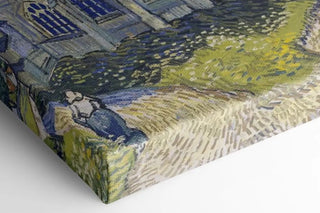
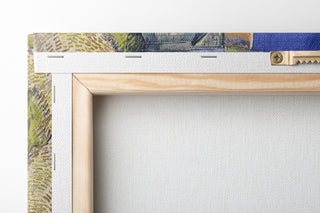
View from behind
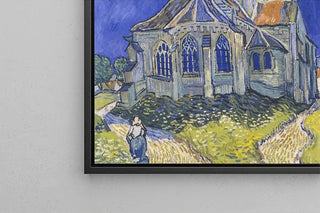
Frame (optional)
In the world of art, some works transcend time to capture the essence of an era, a personality, or an emotion. The "Art print of Jérôme Bignon" by Philippe de Champaigne is one of those pieces that, through its striking realism and psychological depth, invites the viewer to delve into the baroque universe of the 17th century. This portrait, which immortalizes Jérôme Bignon, a man of letters and a scholar of his time, is much more than a simple representation; it is an open window into history, culture, and the values of an era marked by refinement and intellect.
Style and uniqueness of the work
Philippe de Champaigne's style is distinguished by an exceptional mastery of light and shadow, as well as meticulous attention to detail. In the "Art print of Jérôme Bignon," the artist manages to create an intimate atmosphere, where the figure of the subject seems to emerge from a dark background, thus emphasizing his expressive face and delicate features. The color palette chosen by Champaigne, dominated by warm and deep tones, contributes to the warmth and depth of this work. The drapery of Bignon's robe, carefully painted, reveals not only the technical talent of the artist but also the importance given to the representation of his model's intellectual nobility. This portrait does not merely depict a man; it evokes a complex, thoughtful, and engaged personality, embodying the ideals of his time.
The artist and his influence
Philippe de Champaigne, born in 1602 in Brussels, is one of the most emblematic painters of the French baroque movement. Trained in the Flemish tradition, he successfully integrated elements of Italian painting, creating a unique style that combines rigor and sensitivity. His career, marked by prestigious commissions, notably for religious institutions and court personalities, testifies to his lasting influence on French art. Champaigne also played a key role in the development of the baroque portrait, a form of art that seeks to capture not only physical appearance but also the soul and personality of the subjects. His
Painting Portrait of Jérôme Bignon - Philippe de Champaigne

-10% FROM €95 IN PURCHASES
-15% FROM €195 IN PURCHASES
Regular price
- Unit price
- per
Tax included.
Free shipping
€4.90 / Free shipping on orders over €39
Satisfied or Money Back
Free returns within 30 days
10-year warranty
Our prints are guaranteed for 10 years
Any questions? We are here!
by email to contact@artemlegrand.com
THE STEPS OF YOUR ORDER

STEP 1 - ORDER PLACED
Your order has been confirmed and we are starting production
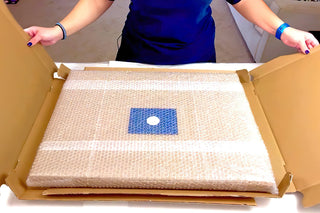
STEP 2 - SHIPPING
We ship your order. We send you an email to track the progress

STEP 3 - DELIVERY
You receive your order. You can also, according to your choice, be delivered to a relay point.
Matte finish
View from behind
Frame (optional)
In the world of art, some works transcend time to capture the essence of an era, a personality, or an emotion. The "Art print of Jérôme Bignon" by Philippe de Champaigne is one of those pieces that, through its striking realism and psychological depth, invites the viewer to delve into the baroque universe of the 17th century. This portrait, which immortalizes Jérôme Bignon, a man of letters and a scholar of his time, is much more than a simple representation; it is an open window into history, culture, and the values of an era marked by refinement and intellect.
Style and uniqueness of the work
Philippe de Champaigne's style is distinguished by an exceptional mastery of light and shadow, as well as meticulous attention to detail. In the "Art print of Jérôme Bignon," the artist manages to create an intimate atmosphere, where the figure of the subject seems to emerge from a dark background, thus emphasizing his expressive face and delicate features. The color palette chosen by Champaigne, dominated by warm and deep tones, contributes to the warmth and depth of this work. The drapery of Bignon's robe, carefully painted, reveals not only the technical talent of the artist but also the importance given to the representation of his model's intellectual nobility. This portrait does not merely depict a man; it evokes a complex, thoughtful, and engaged personality, embodying the ideals of his time.
The artist and his influence
Philippe de Champaigne, born in 1602 in Brussels, is one of the most emblematic painters of the French baroque movement. Trained in the Flemish tradition, he successfully integrated elements of Italian painting, creating a unique style that combines rigor and sensitivity. His career, marked by prestigious commissions, notably for religious institutions and court personalities, testifies to his lasting influence on French art. Champaigne also played a key role in the development of the baroque portrait, a form of art that seeks to capture not only physical appearance but also the soul and personality of the subjects. His
12,34 €