
Painting Portrait of Jan Zembrzuski - Stanisław Lentz | Art print


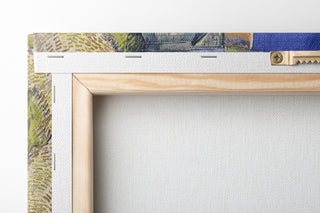
View from behind
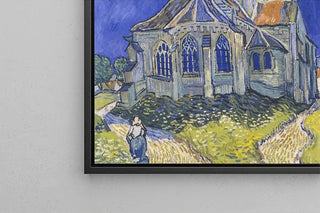
Frame (optional)
Portrait of Jan Zembrzuski - Stanisław Lentz – Captivating Introduction
In the fascinating world of art, some works stand out not only for their aesthetic appeal but also for the stories they tell. The "Portrait of Jan Zembrzuski" by Stanisław Lentz is one of those creations that captivate the eye and spark curiosity. Created in the early 20th century, this art print embodies an era when art intertwined with personal narratives, revealing not only the face of its subject but also a part of his soul. Lentz, as an artist, manages to transcend mere representation to offer an authentic and emotional vision, making this piece a true masterpiece of Polish painting.
Style and uniqueness of the work
Stanisław Lentz's style is characterized by remarkable finesse and particular attention to detail. In the "Portrait of Jan Zembrzuski," the artist employs delicate colors that create an atmosphere both intimate and contemplative. The features of Zembrzuski's face, carefully rendered, reveal a psychological depth that engages the viewer. Every brushstroke seems charged with emotion, and light plays a crucial role, illuminating the model's face while creating shadows that add to the complexity of the image. Lentz does not merely reproduce a face; he captures the very essence of his subject, inviting the viewer to ponder the identity and personality of Jan Zembrzuski. This art print is a perfect example of how art can transcend time and space, establishing a dialogue between the past and the present.
The artist and his influence
Stanisław Lentz is an emblematic figure of 20th-century Polish painting. Trained in the great European artistic traditions, he developed a style that is uniquely his own, blending realism and impressionism. Lentz was influenced by his contemporaries, but he also drew from his cultural roots to forge a distinctive artistic identity. His work, beyond simple representation, seeks to explore universal themes such as memory, identity, and human emotion. In creating the portrait of Jan Zembrzuski, Lentz does not
Painting Portrait of Jan Zembrzuski - Stanisław Lentz | Art print

-10% FROM €95 IN PURCHASES
-15% FROM €195 IN PURCHASES
Regular price
- Unit price
- per
Tax included.
Free shipping
€4.90 / Free shipping on orders over €39
Satisfied or Money Back
Free returns within 30 days
10-year warranty
Our prints are guaranteed for 10 years
Any questions? We are here!
by email to contact@artemlegrand.com
THE STEPS OF YOUR ORDER

STEP 1 - ORDER PLACED
Your order has been confirmed and we are starting production
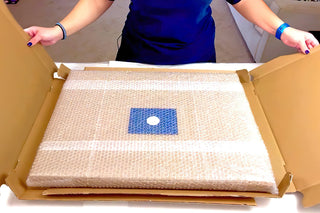
STEP 2 - SHIPPING
We ship your order. We send you an email to track the progress

STEP 3 - DELIVERY
You receive your order. You can also, according to your choice, be delivered to a relay point.
Matte finish
View from behind
Frame (optional)
Portrait of Jan Zembrzuski - Stanisław Lentz – Captivating Introduction
In the fascinating world of art, some works stand out not only for their aesthetic appeal but also for the stories they tell. The "Portrait of Jan Zembrzuski" by Stanisław Lentz is one of those creations that captivate the eye and spark curiosity. Created in the early 20th century, this art print embodies an era when art intertwined with personal narratives, revealing not only the face of its subject but also a part of his soul. Lentz, as an artist, manages to transcend mere representation to offer an authentic and emotional vision, making this piece a true masterpiece of Polish painting.
Style and uniqueness of the work
Stanisław Lentz's style is characterized by remarkable finesse and particular attention to detail. In the "Portrait of Jan Zembrzuski," the artist employs delicate colors that create an atmosphere both intimate and contemplative. The features of Zembrzuski's face, carefully rendered, reveal a psychological depth that engages the viewer. Every brushstroke seems charged with emotion, and light plays a crucial role, illuminating the model's face while creating shadows that add to the complexity of the image. Lentz does not merely reproduce a face; he captures the very essence of his subject, inviting the viewer to ponder the identity and personality of Jan Zembrzuski. This art print is a perfect example of how art can transcend time and space, establishing a dialogue between the past and the present.
The artist and his influence
Stanisław Lentz is an emblematic figure of 20th-century Polish painting. Trained in the great European artistic traditions, he developed a style that is uniquely his own, blending realism and impressionism. Lentz was influenced by his contemporaries, but he also drew from his cultural roots to forge a distinctive artistic identity. His work, beyond simple representation, seeks to explore universal themes such as memory, identity, and human emotion. In creating the portrait of Jan Zembrzuski, Lentz does not
12,34 €