
Painting Portrait of Jan I Moretus - Peter Paul Rubens


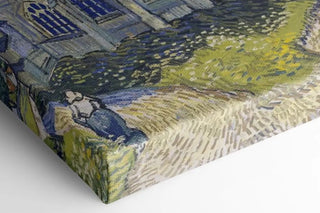
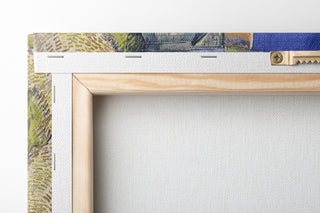
View from behind
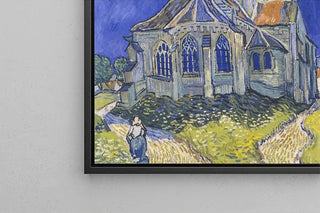
Frame (optional)
In the fascinating world of Flemish painting, the "Portrait of Jan I Moretus" by Peter Paul Rubens stands out as an iconic work that transcends the simple framework of representation. This painting, created in the 17th century, embodies not only the exceptional talent of its creator but also the very essence of an era where art and culture intertwined harmoniously. By immersing ourselves in this portrait, we are invited to discover not only the depicted character, Jan I Moretus, but also the social and historical context that shaped this masterful work. The richness of details and the depth of emotions captured by Rubens transport us to a world where each brushstroke tells a story.
Style and uniqueness of the work
The "Portrait of Jan I Moretus" is characterized by a flamboyant baroque style, typical of Rubens. The artist, master of light and shadow, uses striking contrasts to bring his subject to life. The composition is carefully balanced, highlighting Moretus's imposing stature while emphasizing his personality. The sumptuous drapery of his clothing, rendered with remarkable precision, testifies to Rubens's technical expertise and attention to detail. The rich and vibrant colors, ranging from deep reds to dazzling golds, create an atmosphere that is both warm and solemn. This portrait is not limited to a simple physical representation; it also captures the essence of the man, his status, and his influence in the world of books and publishing in Antwerp. The way Rubens manages to convey such psychological depth through Moretus's gaze and posture is a true artistic feat.
The artist and his influence
Peter Paul Rubens, an emblematic figure of baroque painting, knew how to mark his era with a unique style and an innovative approach to human representation. Born in 1577 in Siegen, Germany, he quickly established himself in Antwerp, where he became the official painter of the court. Rubens was not only an artist but also a diplomat and an intellectual, and his work reflects this versatility. His influence extends well beyond the borders of
Painting Portrait of Jan I Moretus - Peter Paul Rubens

-10% FROM €95 IN PURCHASES
-15% FROM €195 IN PURCHASES
Regular price
- Unit price
- per
Tax included.
Free shipping
€4.90 / Free shipping on orders over €39
Satisfied or Money Back
Free returns within 30 days
10-year warranty
Our prints are guaranteed for 10 years
Any questions? We are here!
by email to contact@artemlegrand.com
THE STEPS OF YOUR ORDER

STEP 1 - ORDER PLACED
Your order has been confirmed and we are starting production
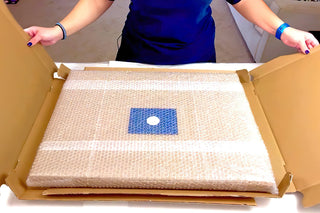
STEP 2 - SHIPPING
We ship your order. We send you an email to track the progress

STEP 3 - DELIVERY
You receive your order. You can also, according to your choice, be delivered to a relay point.
Matte finish
View from behind
Frame (optional)
In the fascinating world of Flemish painting, the "Portrait of Jan I Moretus" by Peter Paul Rubens stands out as an iconic work that transcends the simple framework of representation. This painting, created in the 17th century, embodies not only the exceptional talent of its creator but also the very essence of an era where art and culture intertwined harmoniously. By immersing ourselves in this portrait, we are invited to discover not only the depicted character, Jan I Moretus, but also the social and historical context that shaped this masterful work. The richness of details and the depth of emotions captured by Rubens transport us to a world where each brushstroke tells a story.
Style and uniqueness of the work
The "Portrait of Jan I Moretus" is characterized by a flamboyant baroque style, typical of Rubens. The artist, master of light and shadow, uses striking contrasts to bring his subject to life. The composition is carefully balanced, highlighting Moretus's imposing stature while emphasizing his personality. The sumptuous drapery of his clothing, rendered with remarkable precision, testifies to Rubens's technical expertise and attention to detail. The rich and vibrant colors, ranging from deep reds to dazzling golds, create an atmosphere that is both warm and solemn. This portrait is not limited to a simple physical representation; it also captures the essence of the man, his status, and his influence in the world of books and publishing in Antwerp. The way Rubens manages to convey such psychological depth through Moretus's gaze and posture is a true artistic feat.
The artist and his influence
Peter Paul Rubens, an emblematic figure of baroque painting, knew how to mark his era with a unique style and an innovative approach to human representation. Born in 1577 in Siegen, Germany, he quickly established himself in Antwerp, where he became the official painter of the court. Rubens was not only an artist but also a diplomat and an intellectual, and his work reflects this versatility. His influence extends well beyond the borders of
12,34 €