
Portrait Painting of Gregorio Lorenzo Babbi 1708-1768 - Italian School


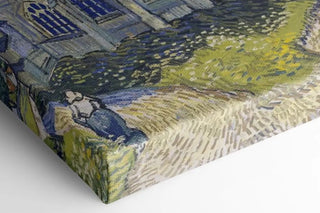
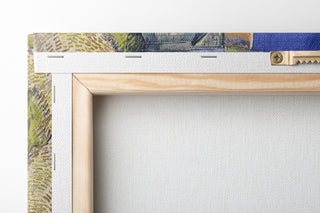
View from behind
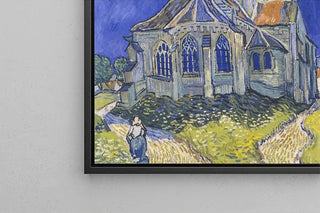
Frame (optional)
In the vast panorama of art history, some works manage to transcend time and capture the very essence of an era. The "Art print Portrait of Gregorio Lorenzo Babbi 1708-1768 - Italian School" is a striking example. This painting, which evokes not only the personality of its subject but also the cultural and social context of its time, invites the viewer to an immersion into the 18th century. Through delicate brushstrokes and thoughtful composition, the piece transports us to a world where art and life intertwine, revealing the nuances of a society in full transformation.
Style and uniqueness of the work
The style of this piece is emblematic of the Italian School, characterized by meticulous attention to detail and mastery of light play. The portrait of Gregorio Lorenzo Babbi stands out for its striking realism, where each facial feature seems to tell a story. The colors, carefully chosen, add emotional depth to the painting, while the subject's posture suggests both dignity and introspection. The artist, through technical skill, manages to capture not only Babbi's physical appearance but also a part of his soul, creating a timeless connection between the viewer and the subject. This portrait proves to be a true window into the past, offering a glimpse of the values and concerns of its era.
The artist and their influence
The artist behind this masterpiece, whose name resonates through the corridors of art history, knew how to leave a mark on their time with a unique vision and innovative approach. Operating within a rich artistic context, they drew inspiration from great masters while developing a personal style that is their own. Their work reflects influences of Baroque and Rococo, while also incorporating elements of Classicism. The impact of this artist goes far beyond their individual creations, as they also helped shape the direction of Italian art in the 18th century. By celebrating the beauty and complexity of humanity, they paved the way for new generations of artists, encouraging them to explore the depths of the
Portrait Painting of Gregorio Lorenzo Babbi 1708-1768 - Italian School

-10% FROM €95 IN PURCHASES
-15% FROM €195 IN PURCHASES
Regular price
- Unit price
- per
Tax included.
Free shipping
€4.90 / Free shipping on orders over €39
Satisfied or Money Back
Free returns within 30 days
10-year warranty
Our prints are guaranteed for 10 years
Any questions? We are here!
by email to contact@artemlegrand.com
THE STEPS OF YOUR ORDER

STEP 1 - ORDER PLACED
Your order has been confirmed and we are starting production
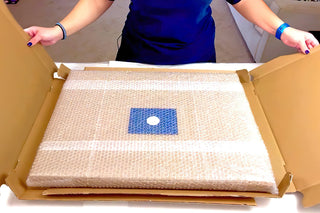
STEP 2 - SHIPPING
We ship your order. We send you an email to track the progress

STEP 3 - DELIVERY
You receive your order. You can also, according to your choice, be delivered to a relay point.
Matte finish
View from behind
Frame (optional)
In the vast panorama of art history, some works manage to transcend time and capture the very essence of an era. The "Art print Portrait of Gregorio Lorenzo Babbi 1708-1768 - Italian School" is a striking example. This painting, which evokes not only the personality of its subject but also the cultural and social context of its time, invites the viewer to an immersion into the 18th century. Through delicate brushstrokes and thoughtful composition, the piece transports us to a world where art and life intertwine, revealing the nuances of a society in full transformation.
Style and uniqueness of the work
The style of this piece is emblematic of the Italian School, characterized by meticulous attention to detail and mastery of light play. The portrait of Gregorio Lorenzo Babbi stands out for its striking realism, where each facial feature seems to tell a story. The colors, carefully chosen, add emotional depth to the painting, while the subject's posture suggests both dignity and introspection. The artist, through technical skill, manages to capture not only Babbi's physical appearance but also a part of his soul, creating a timeless connection between the viewer and the subject. This portrait proves to be a true window into the past, offering a glimpse of the values and concerns of its era.
The artist and their influence
The artist behind this masterpiece, whose name resonates through the corridors of art history, knew how to leave a mark on their time with a unique vision and innovative approach. Operating within a rich artistic context, they drew inspiration from great masters while developing a personal style that is their own. Their work reflects influences of Baroque and Rococo, while also incorporating elements of Classicism. The impact of this artist goes far beyond their individual creations, as they also helped shape the direction of Italian art in the 18th century. By celebrating the beauty and complexity of humanity, they paved the way for new generations of artists, encouraging them to explore the depths of the
12,34 €