
Portrait Painting of Frédéric Febvre 1835-1916 member of the Comédie-Française - Théobald Chartran | Art print


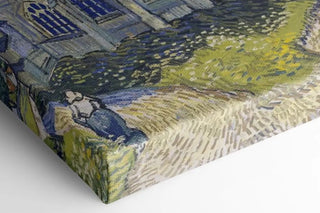
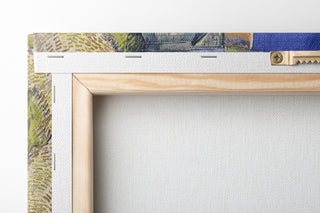
View from behind
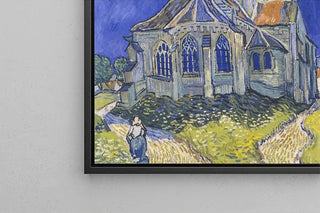
Frame (optional)
Portrait of Frédéric Febvre 1835-1916, member of the Comédie-Française - Théobald Chartran – Captivating Introduction
The portrait of Frédéric Febvre, created by Théobald Chartran, is a work that transcends mere representation. This painting, which captures the essence of a man who left his mark on the world of French theater, immerses us in an era where art and the stage were deeply intertwined. Frédéric Febvre, a member of the Comédie-Française, is here immortalized in a pose that evokes both the nobility of his status and the depth of his artistic commitment. Through this portrait, Chartran does not merely depict a face; he reveals a character, a story, a passion. The work thus becomes a living testament to a bygone era, while maintaining a contemporary resonance.
Style and uniqueness of the work
Chartran's style is distinguished by his ability to blend realism and idealization. In the portrait of Febvre, the meticulous details of the face, the play of light on the features, and the texture of the clothing demonstrate exceptional craftsmanship. The artist uses subtle nuances to create an intimate atmosphere, where one can almost feel the presence of the subject. The chosen color palette, both rich and harmonious, enhances the dignity of the character while evoking a certain melancholy, reflecting the challenges the artist faced. This painting, far from being a simple representation, becomes a mirror of human emotions, an exploration of the soul of a man whose life was dedicated to dramatic art.
The artist and his influence
Théobald Chartran, born in 1849, was a French painter whose artistic journey was marked by a desire to capture the essence of his subjects. Trained at the École des beaux-arts in Paris, he quickly distinguished himself by his talent and unique approach to portraiture. Chartran established himself in the artistic circles of his time, creating works for influential personalities and prestigious institutions. His style, which combines tradition and modernity, inspired many artists, while contributing to the evolution of portraiture in the 19th century. By choosing to paint Frédéric Febvre, Chartran did not merely aim to immortalize
Portrait Painting of Frédéric Febvre 1835-1916 member of the Comédie-Française - Théobald Chartran | Art print

-10% FROM €95 IN PURCHASES
-15% FROM €195 IN PURCHASES
Regular price
- Unit price
- per
Tax included.
Free shipping
€4.90 / Free shipping on orders over €39
Satisfied or Money Back
Free returns within 30 days
10-year warranty
Our prints are guaranteed for 10 years
Any questions? We are here!
by email to contact@artemlegrand.com
THE STEPS OF YOUR ORDER

STEP 1 - ORDER PLACED
Your order has been confirmed and we are starting production
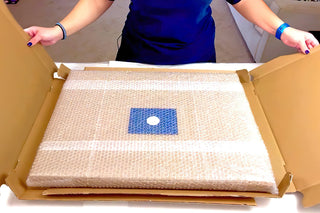
STEP 2 - SHIPPING
We ship your order. We send you an email to track the progress

STEP 3 - DELIVERY
You receive your order. You can also, according to your choice, be delivered to a relay point.
Matte finish
View from behind
Frame (optional)
Portrait of Frédéric Febvre 1835-1916, member of the Comédie-Française - Théobald Chartran – Captivating Introduction
The portrait of Frédéric Febvre, created by Théobald Chartran, is a work that transcends mere representation. This painting, which captures the essence of a man who left his mark on the world of French theater, immerses us in an era where art and the stage were deeply intertwined. Frédéric Febvre, a member of the Comédie-Française, is here immortalized in a pose that evokes both the nobility of his status and the depth of his artistic commitment. Through this portrait, Chartran does not merely depict a face; he reveals a character, a story, a passion. The work thus becomes a living testament to a bygone era, while maintaining a contemporary resonance.
Style and uniqueness of the work
Chartran's style is distinguished by his ability to blend realism and idealization. In the portrait of Febvre, the meticulous details of the face, the play of light on the features, and the texture of the clothing demonstrate exceptional craftsmanship. The artist uses subtle nuances to create an intimate atmosphere, where one can almost feel the presence of the subject. The chosen color palette, both rich and harmonious, enhances the dignity of the character while evoking a certain melancholy, reflecting the challenges the artist faced. This painting, far from being a simple representation, becomes a mirror of human emotions, an exploration of the soul of a man whose life was dedicated to dramatic art.
The artist and his influence
Théobald Chartran, born in 1849, was a French painter whose artistic journey was marked by a desire to capture the essence of his subjects. Trained at the École des beaux-arts in Paris, he quickly distinguished himself by his talent and unique approach to portraiture. Chartran established himself in the artistic circles of his time, creating works for influential personalities and prestigious institutions. His style, which combines tradition and modernity, inspired many artists, while contributing to the evolution of portraiture in the 19th century. By choosing to paint Frédéric Febvre, Chartran did not merely aim to immortalize
12,34 €