
Portrait Painting of François-Michel Le Tellier, Marquis of Louvois, 1641-1691, Minister of War - Jacob Ferdinand Voet


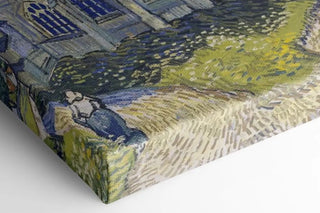
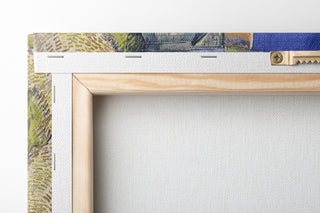
View from behind
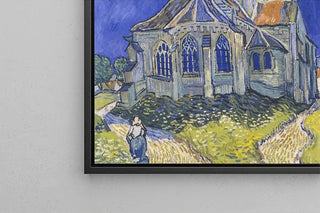
Frame (optional)
In the panorama of baroque art, the portrait of François-Michel Le Tellier, Marquis de Louvois, stands out for its intensity and psychological depth. Created by Jacob Ferdinand Voet, this artwork not only demonstrates the artist's technical mastery but also highlights the significance of the figure depicted in French history. Louvois, Minister of War under Louis XIV, embodies the power and military strategy of his era. This portrait, by capturing his essence, becomes a true reflection of the kingdom's grandeur and ambitions. The piece invites viewers to immerse themselves in a time when art and politics intertwined, revealing the stakes of a society in full transformation.
Style and uniqueness of the work
Jacob Ferdinand Voet's style is characterized by meticulous attention to detail and a subtle use of light, hallmarks of baroque art. In this portrait, Voet succeeds in conveying the authority and dignity of his subject through a carefully orchestrated composition. Louvois's piercing gaze, combined with an assertive posture, creates an immediate connection with the viewer. The richly adorned clothing, reflecting Louvois's nobility and high status, is rendered with precision that underscores the artist's virtuosity. The nuances of color, ranging from deep shades to luminous highlights, give the work an atmosphere that is both solemn and lively. This portrait does not merely depict a man; it captures the essence of an era, making every detail a narrative element.
The artist and his influence
Jacob Ferdinand Voet, born in 1639 in Antwerp, was a painter whose work left a mark on his time. Trained in the ateliers of great masters, he developed a personal style that combines academic rigor with artistic sensitivity. His career led him to the court of France, where he became a sought-after portraitist among nobles and dignitaries. Voet's influence extends beyond his era, inspiring many artists across the centuries. His approach to portraiture, which blends realism and idealization, has contributed
Portrait Painting of François-Michel Le Tellier, Marquis of Louvois, 1641-1691, Minister of War - Jacob Ferdinand Voet

-10% FROM €95 IN PURCHASES
-15% FROM €195 IN PURCHASES
Regular price
- Unit price
- per
Tax included.
Free shipping
€4.90 / Free shipping on orders over €39
Satisfied or Money Back
Free returns within 30 days
10-year warranty
Our prints are guaranteed for 10 years
Any questions? We are here!
by email to contact@artemlegrand.com
THE STEPS OF YOUR ORDER

STEP 1 - ORDER PLACED
Your order has been confirmed and we are starting production
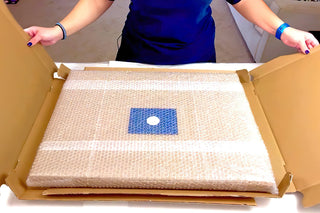
STEP 2 - SHIPPING
We ship your order. We send you an email to track the progress

STEP 3 - DELIVERY
You receive your order. You can also, according to your choice, be delivered to a relay point.
Matte finish
View from behind
Frame (optional)
In the panorama of baroque art, the portrait of François-Michel Le Tellier, Marquis de Louvois, stands out for its intensity and psychological depth. Created by Jacob Ferdinand Voet, this artwork not only demonstrates the artist's technical mastery but also highlights the significance of the figure depicted in French history. Louvois, Minister of War under Louis XIV, embodies the power and military strategy of his era. This portrait, by capturing his essence, becomes a true reflection of the kingdom's grandeur and ambitions. The piece invites viewers to immerse themselves in a time when art and politics intertwined, revealing the stakes of a society in full transformation.
Style and uniqueness of the work
Jacob Ferdinand Voet's style is characterized by meticulous attention to detail and a subtle use of light, hallmarks of baroque art. In this portrait, Voet succeeds in conveying the authority and dignity of his subject through a carefully orchestrated composition. Louvois's piercing gaze, combined with an assertive posture, creates an immediate connection with the viewer. The richly adorned clothing, reflecting Louvois's nobility and high status, is rendered with precision that underscores the artist's virtuosity. The nuances of color, ranging from deep shades to luminous highlights, give the work an atmosphere that is both solemn and lively. This portrait does not merely depict a man; it captures the essence of an era, making every detail a narrative element.
The artist and his influence
Jacob Ferdinand Voet, born in 1639 in Antwerp, was a painter whose work left a mark on his time. Trained in the ateliers of great masters, he developed a personal style that combines academic rigor with artistic sensitivity. His career led him to the court of France, where he became a sought-after portraitist among nobles and dignitaries. Voet's influence extends beyond his era, inspiring many artists across the centuries. His approach to portraiture, which blends realism and idealization, has contributed
12,34 €