
Portrait painting of Francis Rawdon-Hastings, Second Earl of Moira and First Marquis of Hastings - George Chinnery | Art print


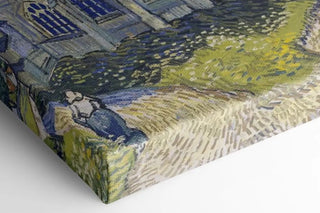
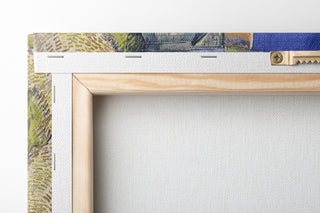
View from behind
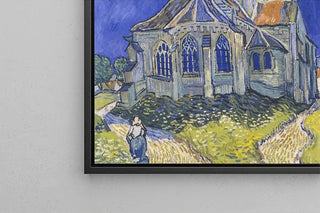
Frame (optional)
Portrait of Francis Rawdon-Hastings, the second Earl of Moira and the first Marquess of Hastings - George Chinnery – Captivating Introduction
The portrait of Francis Rawdon-Hastings, the second Earl of Moira and the first Marquess of Hastings, created by George Chinnery, marks a pivotal moment in British history. This artwork not only captures the appearance of an influential statesman but also evokes the tensions and aspirations of a rapidly changing era. Chinnery, through his mastery of playing with light and shadow, succeeds in infusing his subject with vibrant life, establishing a powerful emotional connection between the viewer and the portrait. This painting, a true reflection of aristocratic identity, invites viewers to delve into the complexities of the political and social history of the early 19th century.
Style and uniqueness of the work
Chinnery's style is distinguished by its realistic approach and meticulous attention to detail. In this portrait, every element—from the sumptuous costume to facial expressions—is carefully crafted to convey not only the stature of Francis Rawdon-Hastings but also his character. The rich colors and delicate textures contribute to creating an atmosphere that is both solemn and intimate. The artist manages to capture the very essence of his subject, revealing nuances of his personality through an insightful gaze and confident posture. This painting is not merely a simple representation; it is a psychological study that transcends time, allowing the viewer to feel the authority and dignity emanating from the marquess.
The artist and his influence
George Chinnery, a prominent figure in the 19th-century artistic landscape, is often recognized for his ability to blend European style with Eastern influences, inherited from his stays in Asia. His work is marked by a unique sensitivity and a constant search for beauty within the complexity of human emotions. Through his portraits, he immortalized notable figures of his time while leaving an indelible mark on the development of portraiture. Chinnery was also a pioneer in the use of color and light, inspiring many artists who followed in his footsteps. His work on
Portrait painting of Francis Rawdon-Hastings, Second Earl of Moira and First Marquis of Hastings - George Chinnery | Art print

-10% FROM €95 IN PURCHASES
-15% FROM €195 IN PURCHASES
Regular price
- Unit price
- per
Tax included.
Free shipping
€4.90 / Free shipping on orders over €39
Satisfied or Money Back
Free returns within 30 days
10-year warranty
Our prints are guaranteed for 10 years
Any questions? We are here!
by email to contact@artemlegrand.com
THE STEPS OF YOUR ORDER

STEP 1 - ORDER PLACED
Your order has been confirmed and we are starting production
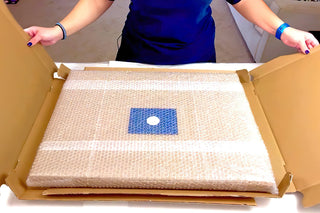
STEP 2 - SHIPPING
We ship your order. We send you an email to track the progress

STEP 3 - DELIVERY
You receive your order. You can also, according to your choice, be delivered to a relay point.
Matte finish
View from behind
Frame (optional)
Portrait of Francis Rawdon-Hastings, the second Earl of Moira and the first Marquess of Hastings - George Chinnery – Captivating Introduction
The portrait of Francis Rawdon-Hastings, the second Earl of Moira and the first Marquess of Hastings, created by George Chinnery, marks a pivotal moment in British history. This artwork not only captures the appearance of an influential statesman but also evokes the tensions and aspirations of a rapidly changing era. Chinnery, through his mastery of playing with light and shadow, succeeds in infusing his subject with vibrant life, establishing a powerful emotional connection between the viewer and the portrait. This painting, a true reflection of aristocratic identity, invites viewers to delve into the complexities of the political and social history of the early 19th century.
Style and uniqueness of the work
Chinnery's style is distinguished by its realistic approach and meticulous attention to detail. In this portrait, every element—from the sumptuous costume to facial expressions—is carefully crafted to convey not only the stature of Francis Rawdon-Hastings but also his character. The rich colors and delicate textures contribute to creating an atmosphere that is both solemn and intimate. The artist manages to capture the very essence of his subject, revealing nuances of his personality through an insightful gaze and confident posture. This painting is not merely a simple representation; it is a psychological study that transcends time, allowing the viewer to feel the authority and dignity emanating from the marquess.
The artist and his influence
George Chinnery, a prominent figure in the 19th-century artistic landscape, is often recognized for his ability to blend European style with Eastern influences, inherited from his stays in Asia. His work is marked by a unique sensitivity and a constant search for beauty within the complexity of human emotions. Through his portraits, he immortalized notable figures of his time while leaving an indelible mark on the development of portraiture. Chinnery was also a pioneer in the use of color and light, inspiring many artists who followed in his footsteps. His work on
12,34 €