
Portrait of Emperor Charles VI - Martin van Meytens | Art print


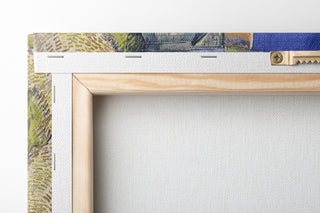
View from behind
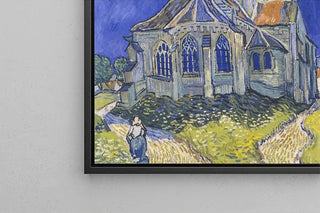
Frame (optional)
The "Art print of Emperor Charles VI" by Martin van Meytens is an iconic piece that embodies not only the power and majesty of its subject but also the refined art of the 18th century. This painting, a true testament to the Baroque era, transports the viewer into a universe where nobility and elegance converge. Through this portrait, the artist manages to capture not only the physical image of the emperor but also his aura, charisma, and authority status. The light and shadows, skillfully used, give the work a depth that invites contemplation, revealing the subtleties of the psychology of the depicted character.
Style and uniqueness of the work
Martin van Meytens's style is distinguished by his ability to blend realism and idealization. In this portrait, the meticulous details of Emperor Charles VI's clothing, adorned with delicate embroidery, testify to exceptional craftsmanship. The color palette, rich and nuanced, enhances the solemnity of the scene while highlighting the features of Charles VI's face. The artist skillfully plays with light, creating a striking contrast between illuminated areas and those shrouded in shadow, which emphasizes the imposing presence of the emperor. Charles VI's majestic posture, slightly turned, evokes both confidence and reflection, making this portrait a work where emotion and technique harmoniously meet.
The artist and his influence
Martin van Meytens, born in Sweden, established himself as one of the most prominent portraitists of his time, notably at the Vienna court. Influenced by the great masters of European painting, he develops a style that combines Baroque elegance with a more intimate approach. His work on the portrait of Charles VI perfectly illustrates this duality, where the grandeur of the character is highlighted through an almost psychological approach. Van Meytens also contributed to the evolution of the portrait as a genre by incorporating narrative and emotional elements that transcend simple representation. His influence endures, inspiring many artists who seek to capture
Portrait of Emperor Charles VI - Martin van Meytens | Art print

-10% FROM €95 IN PURCHASES
-15% FROM €195 IN PURCHASES
Regular price
- Unit price
- per
Tax included.
Free shipping
€4.90 / Free shipping on orders over €39
Satisfied or Money Back
Free returns within 30 days
10-year warranty
Our prints are guaranteed for 10 years
Any questions? We are here!
by email to contact@artemlegrand.com
THE STEPS OF YOUR ORDER

STEP 1 - ORDER PLACED
Your order has been confirmed and we are starting production
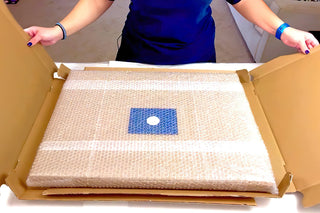
STEP 2 - SHIPPING
We ship your order. We send you an email to track the progress

STEP 3 - DELIVERY
You receive your order. You can also, according to your choice, be delivered to a relay point.
Matte finish
View from behind
Frame (optional)
The "Art print of Emperor Charles VI" by Martin van Meytens is an iconic piece that embodies not only the power and majesty of its subject but also the refined art of the 18th century. This painting, a true testament to the Baroque era, transports the viewer into a universe where nobility and elegance converge. Through this portrait, the artist manages to capture not only the physical image of the emperor but also his aura, charisma, and authority status. The light and shadows, skillfully used, give the work a depth that invites contemplation, revealing the subtleties of the psychology of the depicted character.
Style and uniqueness of the work
Martin van Meytens's style is distinguished by his ability to blend realism and idealization. In this portrait, the meticulous details of Emperor Charles VI's clothing, adorned with delicate embroidery, testify to exceptional craftsmanship. The color palette, rich and nuanced, enhances the solemnity of the scene while highlighting the features of Charles VI's face. The artist skillfully plays with light, creating a striking contrast between illuminated areas and those shrouded in shadow, which emphasizes the imposing presence of the emperor. Charles VI's majestic posture, slightly turned, evokes both confidence and reflection, making this portrait a work where emotion and technique harmoniously meet.
The artist and his influence
Martin van Meytens, born in Sweden, established himself as one of the most prominent portraitists of his time, notably at the Vienna court. Influenced by the great masters of European painting, he develops a style that combines Baroque elegance with a more intimate approach. His work on the portrait of Charles VI perfectly illustrates this duality, where the grandeur of the character is highlighted through an almost psychological approach. Van Meytens also contributed to the evolution of the portrait as a genre by incorporating narrative and emotional elements that transcend simple representation. His influence endures, inspiring many artists who seek to capture
12,34 €