
Portrait of Dr. Franz Platter - Johann Rudolf Huber the Elder | Art print


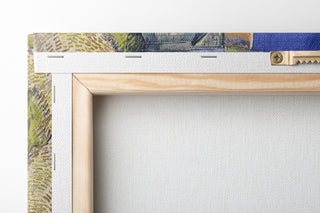
View from behind
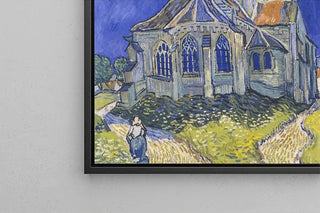
Frame (optional)
Portrait of Dr. Franz Platter - Johann Rudolf Huber the Elder – Captivating Introduction
In the vast panorama of art history, certain works stand out for their ability to capture not only the appearance of an individual but also the very essence of their being. The "Portrait of Dr. Franz Platter" by Johann Rudolf Huber the Elder is a perfect example. This painting, created in the 17th century, transcends mere representation to immerse the viewer in a reflection on identity, knowledge, and human dignity. Through this portrait, Huber invites us to explore the subtleties of human psychology, while demonstrating an exceptional craftsmanship that marked his era.
Style and uniqueness of the work
Johann Rudolf Huber the Elder's style is characterized by meticulous attention to detail and mastery of light play. In the "Portrait of Dr. Franz Platter," the doctor's face is delicately illuminated, highlighting the defining features of his face, from his piercing eyes to his contemplative expression. Huber manages to breathe palpable life into his subject, creating an emotional connection between the work and the viewer. The colors, carefully chosen, evoke an atmosphere that is both intimate and solemn, reinforcing the idea that this is not just a portrait but a tribute to a man of science and knowledge. Every element of the painting, from the drape of the academic robe to the carefully placed accessories, contributes to telling the story of a respected and influential figure in his field.
The artist and his influence
Johann Rudolf Huber the Elder, though less known than some of his contemporaries, managed to leave his mark on his era with his distinctive style and ability to translate the personality of his subjects onto the canvas. Trained in the traditions of Baroque portraiture, Huber evolved while incorporating elements of realism that foreshadow future artistic movements. His work reflects a time when art was not content with merely representing beauty but sought to immortalize the spirit and values of a society in full transformation. Huber influenced many artists who followed, teaching them the importance of meticulous observation and psychology in the creation of an
Portrait of Dr. Franz Platter - Johann Rudolf Huber the Elder | Art print

-10% FROM €95 IN PURCHASES
-15% FROM €195 IN PURCHASES
Regular price
- Unit price
- per
Tax included.
Free shipping
€4.90 / Free shipping on orders over €39
Satisfied or Money Back
Free returns within 30 days
10-year warranty
Our prints are guaranteed for 10 years
Any questions? We are here!
by email to contact@artemlegrand.com
THE STEPS OF YOUR ORDER

STEP 1 - ORDER PLACED
Your order has been confirmed and we are starting production
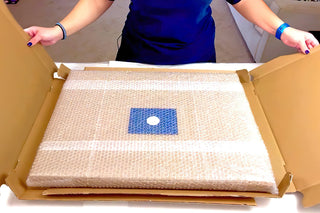
STEP 2 - SHIPPING
We ship your order. We send you an email to track the progress

STEP 3 - DELIVERY
You receive your order. You can also, according to your choice, be delivered to a relay point.
Matte finish
View from behind
Frame (optional)
Portrait of Dr. Franz Platter - Johann Rudolf Huber the Elder – Captivating Introduction
In the vast panorama of art history, certain works stand out for their ability to capture not only the appearance of an individual but also the very essence of their being. The "Portrait of Dr. Franz Platter" by Johann Rudolf Huber the Elder is a perfect example. This painting, created in the 17th century, transcends mere representation to immerse the viewer in a reflection on identity, knowledge, and human dignity. Through this portrait, Huber invites us to explore the subtleties of human psychology, while demonstrating an exceptional craftsmanship that marked his era.
Style and uniqueness of the work
Johann Rudolf Huber the Elder's style is characterized by meticulous attention to detail and mastery of light play. In the "Portrait of Dr. Franz Platter," the doctor's face is delicately illuminated, highlighting the defining features of his face, from his piercing eyes to his contemplative expression. Huber manages to breathe palpable life into his subject, creating an emotional connection between the work and the viewer. The colors, carefully chosen, evoke an atmosphere that is both intimate and solemn, reinforcing the idea that this is not just a portrait but a tribute to a man of science and knowledge. Every element of the painting, from the drape of the academic robe to the carefully placed accessories, contributes to telling the story of a respected and influential figure in his field.
The artist and his influence
Johann Rudolf Huber the Elder, though less known than some of his contemporaries, managed to leave his mark on his era with his distinctive style and ability to translate the personality of his subjects onto the canvas. Trained in the traditions of Baroque portraiture, Huber evolved while incorporating elements of realism that foreshadow future artistic movements. His work reflects a time when art was not content with merely representing beauty but sought to immortalize the spirit and values of a society in full transformation. Huber influenced many artists who followed, teaching them the importance of meticulous observation and psychology in the creation of an
12,34 €