
Painting Portrait of David Leeuw 1682–1755 Draper Mennonite - Jan Maurits Quinkhard


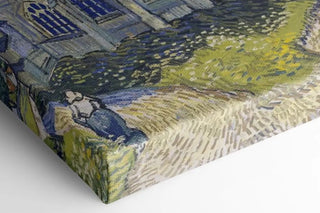
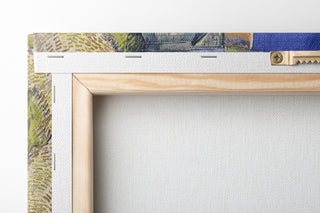
View from behind
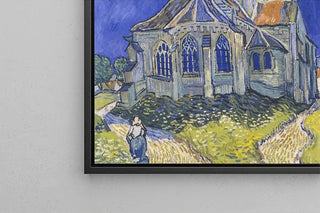
Frame (optional)
Reproduction Portrait of David Leeuw 1682–1755 Draper Mennonite - Jan Maurits Quinkhard – Engaging Introduction
The "Portrait of David Leeuw 1682–1755 Draper Mennonite" by Jan Maurits Quinkhard is a captivating artwork that immerses us in the heart of the 18th century, an era marked by cultural and social upheavals. This painting, depicting a man from the Mennonite community, not only demonstrates the artist's technical skill but also highlights the significance of portraits in the society of that time. By capturing the essence of an individual through the lens of his era, Quinkhard offers us a window into a life, a status, and an identity, while evoking the values and traditions of a often little-known community.
Style and uniqueness of the work
The piece stands out for its striking realism and its ability to convey profound humanity. The choice of colors, both subdued and rich, emphasizes the dignity of the subject, while light plays a crucial role in highlighting David Leeuw's features. Quinkhard masters the art of chiaroscuro, creating an intimate atmosphere that invites the viewer to contemplate the thoughtful gaze of the character. The meticulous details, such as the drapery of his clothing, demonstrate an unparalleled attention to detail, making this portrait a centerpiece of 18th-century painting. Every brushstroke seems charged with meaning, revealing not only Leeuw's physical appearance but also his social status and cultural identity.
The artist and his influence
Jan Maurits Quinkhard, a Dutch artist of the 18th century, is a prominent figure of his time. Trained in the workshops of great masters, he developed a distinctive style that combines tradition and innovation. His work is often characterized by a particular focus on facial expressions and postures, essential elements for conveying emotion and psychology. Quinkhard had a notable influence on his contemporaries and contributed to the evolution of the portrait as an artistic genre. By focusing on members of the Mennonite community, he also paved the way for a more diverse representation of subjects, thereby broadening the scope of possibilities for artists of his era. His legacy endures, inspiring
Painting Portrait of David Leeuw 1682–1755 Draper Mennonite - Jan Maurits Quinkhard

-10% FROM €95 IN PURCHASES
-15% FROM €195 IN PURCHASES
Regular price
- Unit price
- per
Tax included.
Free shipping
€4.90 / Free shipping on orders over €39
Satisfied or Money Back
Free returns within 30 days
10-year warranty
Our prints are guaranteed for 10 years
Any questions? We are here!
by email to contact@artemlegrand.com
THE STEPS OF YOUR ORDER

STEP 1 - ORDER PLACED
Your order has been confirmed and we are starting production
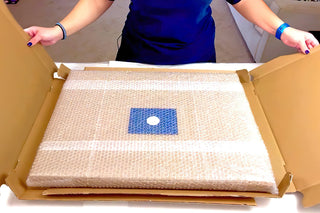
STEP 2 - SHIPPING
We ship your order. We send you an email to track the progress

STEP 3 - DELIVERY
You receive your order. You can also, according to your choice, be delivered to a relay point.
Matte finish
View from behind
Frame (optional)
Reproduction Portrait of David Leeuw 1682–1755 Draper Mennonite - Jan Maurits Quinkhard – Engaging Introduction
The "Portrait of David Leeuw 1682–1755 Draper Mennonite" by Jan Maurits Quinkhard is a captivating artwork that immerses us in the heart of the 18th century, an era marked by cultural and social upheavals. This painting, depicting a man from the Mennonite community, not only demonstrates the artist's technical skill but also highlights the significance of portraits in the society of that time. By capturing the essence of an individual through the lens of his era, Quinkhard offers us a window into a life, a status, and an identity, while evoking the values and traditions of a often little-known community.
Style and uniqueness of the work
The piece stands out for its striking realism and its ability to convey profound humanity. The choice of colors, both subdued and rich, emphasizes the dignity of the subject, while light plays a crucial role in highlighting David Leeuw's features. Quinkhard masters the art of chiaroscuro, creating an intimate atmosphere that invites the viewer to contemplate the thoughtful gaze of the character. The meticulous details, such as the drapery of his clothing, demonstrate an unparalleled attention to detail, making this portrait a centerpiece of 18th-century painting. Every brushstroke seems charged with meaning, revealing not only Leeuw's physical appearance but also his social status and cultural identity.
The artist and his influence
Jan Maurits Quinkhard, a Dutch artist of the 18th century, is a prominent figure of his time. Trained in the workshops of great masters, he developed a distinctive style that combines tradition and innovation. His work is often characterized by a particular focus on facial expressions and postures, essential elements for conveying emotion and psychology. Quinkhard had a notable influence on his contemporaries and contributed to the evolution of the portrait as an artistic genre. By focusing on members of the Mennonite community, he also paved the way for a more diverse representation of subjects, thereby broadening the scope of possibilities for artists of his era. His legacy endures, inspiring
12,34 €