
Portrait painting of Cornelis van den Bergh, director of the Rotterdam Chamber of the Dutch East India Company, elected in 1659 - Pieter van der Werff


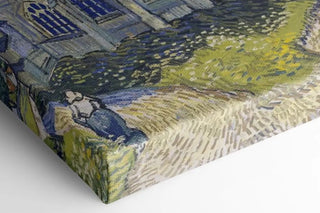
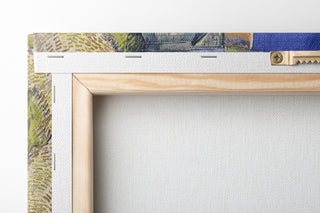
View from behind
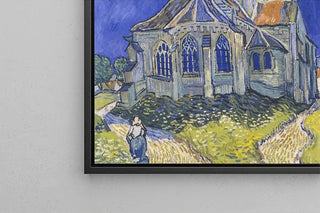
Frame (optional)
Portrait of Cornelis van den Bergh, director of the Rotterdam Chamber of the Dutch East India Company, elected in 1659 - Pieter van der Werff – Captivating Introduction
In the fascinating world of 17th-century Dutch art, the portrait of Cornelis van den Bergh stands out for its psychological depth and formal elegance. Captured by the talented Pieter van der Werff, this artwork not only depicts an influential businessman of his time but also evokes the values and ambitions of a nation in full expansion. The Dutch East India Company, a pillar of maritime trade, finds in this portrait a vivid illustration of its dynamic spirit and power. This painting, a true window into the past, invites viewers to delve into the complex universe of commercial exchanges and cultural interactions that shaped the Netherlands in the 17th century.
Style and uniqueness of the artwork
Pieter van der Werff's style is characterized by finesse and precision, giving his portraits an almost tactile dimension. In the portrait of Cornelis van den Bergh, every detail—from the sumptuous drapery of the robe to the delicate nuances of the skin—demonstrates exceptional technical mastery. The artist uses light subtly, creating contrasts that highlight the subject's features while conveying an atmosphere of nobility and dignity. The composition, rigorously balanced, draws the eye toward the director's face, whose calm and resolute expression suggests a personality that is both thoughtful and determined. This portrait is not merely a simple representation; it embodies a story, an era, and the stature of a man whose influence was decisive in the development of Dutch commerce and culture.
The artist and his influence
Pieter van der Werff, born in 1659, was a painter whose career spanned several decades, marked by stylistic evolution and growing recognition. A student of the Delft painting school, he established himself as one of the most prominent artists of his time, notably through his ability to combine tradition and innovation. His work is often compared to that of his contemporaries such as Rembrandt, although he has
Portrait painting of Cornelis van den Bergh, director of the Rotterdam Chamber of the Dutch East India Company, elected in 1659 - Pieter van der Werff

-10% FROM €95 IN PURCHASES
-15% FROM €195 IN PURCHASES
Regular price
- Unit price
- per
Tax included.
Free shipping
€4.90 / Free shipping on orders over €39
Satisfied or Money Back
Free returns within 30 days
10-year warranty
Our prints are guaranteed for 10 years
Any questions? We are here!
by email to contact@artemlegrand.com
THE STEPS OF YOUR ORDER

STEP 1 - ORDER PLACED
Your order has been confirmed and we are starting production
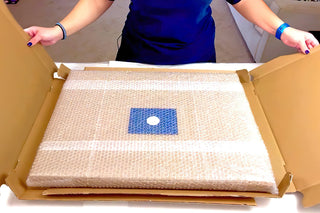
STEP 2 - SHIPPING
We ship your order. We send you an email to track the progress

STEP 3 - DELIVERY
You receive your order. You can also, according to your choice, be delivered to a relay point.
Matte finish
View from behind
Frame (optional)
Portrait of Cornelis van den Bergh, director of the Rotterdam Chamber of the Dutch East India Company, elected in 1659 - Pieter van der Werff – Captivating Introduction
In the fascinating world of 17th-century Dutch art, the portrait of Cornelis van den Bergh stands out for its psychological depth and formal elegance. Captured by the talented Pieter van der Werff, this artwork not only depicts an influential businessman of his time but also evokes the values and ambitions of a nation in full expansion. The Dutch East India Company, a pillar of maritime trade, finds in this portrait a vivid illustration of its dynamic spirit and power. This painting, a true window into the past, invites viewers to delve into the complex universe of commercial exchanges and cultural interactions that shaped the Netherlands in the 17th century.
Style and uniqueness of the artwork
Pieter van der Werff's style is characterized by finesse and precision, giving his portraits an almost tactile dimension. In the portrait of Cornelis van den Bergh, every detail—from the sumptuous drapery of the robe to the delicate nuances of the skin—demonstrates exceptional technical mastery. The artist uses light subtly, creating contrasts that highlight the subject's features while conveying an atmosphere of nobility and dignity. The composition, rigorously balanced, draws the eye toward the director's face, whose calm and resolute expression suggests a personality that is both thoughtful and determined. This portrait is not merely a simple representation; it embodies a story, an era, and the stature of a man whose influence was decisive in the development of Dutch commerce and culture.
The artist and his influence
Pieter van der Werff, born in 1659, was a painter whose career spanned several decades, marked by stylistic evolution and growing recognition. A student of the Delft painting school, he established himself as one of the most prominent artists of his time, notably through his ability to combine tradition and innovation. His work is often compared to that of his contemporaries such as Rembrandt, although he has
12,34 €