
Portrait Painting of Charles-Claude Flahaut de la Billarderie, Count d'Angiviller 1730-1809 - Joseph Siffred Duplessis | Art print


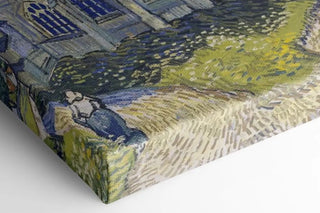
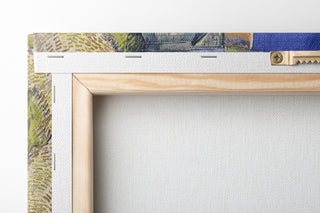
View from behind
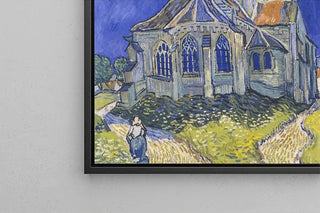
Frame (optional)
Portrait of Charles-Claude Flahaut de la Billarderie, Count d'Angiviller 1730–1809 - Joseph Siffred Duplessis – Captivating Introduction
The portrait of Charles-Claude Flahaut de la Billarderie, Count d'Angiviller, painted by Joseph Siffred Duplessis, stands as an emblematic work of the 18th century, blending finesse, elegance, and psychological depth. This painting, which captures the very essence of its subject, transcends mere representation to offer a fascinating glimpse into aristocratic life during the French Revolution. Viewing this art print immediately transports the viewer into a world of refinement and subtlety, where every detail matters and every color tells a story.
Style and uniqueness of the work
The piece is distinguished by its neoclassical style, characterized by rigor in composition and meticulous attention to detail. Duplessis, through his treatment of light and shadow, manages to bring his subject to life, creating an atmosphere that is both intimate and solemn. The Count d'Angiviller, depicted in a majestic pose, seems to embody authority and dignity. The drapery of his attire, carefully rendered, testifies to the artist's technical virtuosity. The chosen colors, rich and nuanced, add an extra dimension to the painting, reinforcing the noble yet accessible character of the figure. This portrait is not merely an image but a true window into the soul of a man and a period in full transformation.
The artist and his influence
Joseph Siffred Duplessis, born in 1725, is a prominent figure in 18th-century French painting. A pupil of François Boucher, he stands out for his ability to combine classicism with modern sensitivity. His work is marked by a constant pursuit of perfection and a desire to capture reality with unparalleled precision. Duplessis established himself as the portraitist of the elites of his time, counting influential court and high society personalities among his models. His influence extends beyond his era, inspiring many artists who, after him, sought
Portrait Painting of Charles-Claude Flahaut de la Billarderie, Count d'Angiviller 1730-1809 - Joseph Siffred Duplessis | Art print

-10% FROM €95 IN PURCHASES
-15% FROM €195 IN PURCHASES
Regular price
- Unit price
- per
Tax included.
Free shipping
€4.90 / Free shipping on orders over €39
Satisfied or Money Back
Free returns within 30 days
10-year warranty
Our prints are guaranteed for 10 years
Any questions? We are here!
by email to contact@artemlegrand.com
THE STEPS OF YOUR ORDER

STEP 1 - ORDER PLACED
Your order has been confirmed and we are starting production
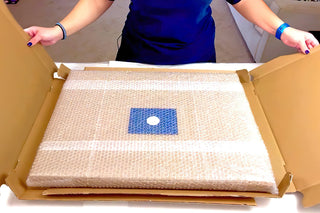
STEP 2 - SHIPPING
We ship your order. We send you an email to track the progress

STEP 3 - DELIVERY
You receive your order. You can also, according to your choice, be delivered to a relay point.
Matte finish
View from behind
Frame (optional)
Portrait of Charles-Claude Flahaut de la Billarderie, Count d'Angiviller 1730–1809 - Joseph Siffred Duplessis – Captivating Introduction
The portrait of Charles-Claude Flahaut de la Billarderie, Count d'Angiviller, painted by Joseph Siffred Duplessis, stands as an emblematic work of the 18th century, blending finesse, elegance, and psychological depth. This painting, which captures the very essence of its subject, transcends mere representation to offer a fascinating glimpse into aristocratic life during the French Revolution. Viewing this art print immediately transports the viewer into a world of refinement and subtlety, where every detail matters and every color tells a story.
Style and uniqueness of the work
The piece is distinguished by its neoclassical style, characterized by rigor in composition and meticulous attention to detail. Duplessis, through his treatment of light and shadow, manages to bring his subject to life, creating an atmosphere that is both intimate and solemn. The Count d'Angiviller, depicted in a majestic pose, seems to embody authority and dignity. The drapery of his attire, carefully rendered, testifies to the artist's technical virtuosity. The chosen colors, rich and nuanced, add an extra dimension to the painting, reinforcing the noble yet accessible character of the figure. This portrait is not merely an image but a true window into the soul of a man and a period in full transformation.
The artist and his influence
Joseph Siffred Duplessis, born in 1725, is a prominent figure in 18th-century French painting. A pupil of François Boucher, he stands out for his ability to combine classicism with modern sensitivity. His work is marked by a constant pursuit of perfection and a desire to capture reality with unparalleled precision. Duplessis established himself as the portraitist of the elites of his time, counting influential court and high society personalities among his models. His influence extends beyond his era, inspiring many artists who, after him, sought
12,34 €