
Painting Portrait of Catharina Belgica - Jan Anthonisz van Ravesteyn | Art print


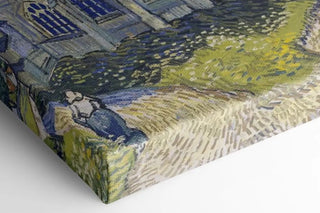
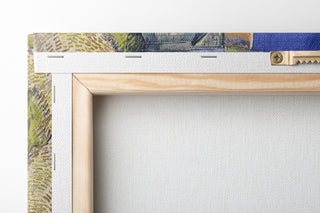
View from behind
Frame (optional)
Captivating Introduction
The art of portraiture has always been able to capture the essence of human beings, transcending time and space to offer a glimpse into the personality and social status of its subjects. The "Portrait of Catharina Belgica" by Jan Anthonisz van Ravesteyn is an emblematic example of this tradition, revealing not only the beauty of its model but also the cultural and historical context of its era. This piece, created by a master of the 17th century, immerses us in the fascinating world of Dutch painting, where every brushstroke is charged with meaning and significance. The art print of this portrait allows appreciation of the artist's finesse and exploration of the life of a woman who, through her image, left her mark on her time.
Style and uniqueness of the work
The style of Jan Anthonisz van Ravesteyn is distinguished by its ability to combine realism and idealization. In "Portrait of Catharina Belgica," every detail is carefully crafted, from the textures of the clothing to the reflections in the eyes, creating an illusion of life that draws the viewer in. The composition is designed with rigor that emphasizes the presence of the model, while the subtle use of light and shadow adds depth to the piece. Catharina, dressed in sumptuous attire, embodies the nobility of her time, but her expression, both serene and resolute, reveals a strong personality. This portrait does not merely depict a woman; it tells a story, that of an era when portraits were testimonies of power and prestige.
The artist and his influence
Jan Anthonisz van Ravesteyn, active during the Dutch Golden Age, established himself as a preferred portraitist among his contemporaries. A pupil of the Haarlem school, his work is marked by a deep understanding of the psychological nuances of his subjects. Van Ravesteyn influenced many artists, notably through his way of capturing not only outward appearance but also the soul of his models. His portraits, often commissioned by the aristocracy, testify to an art serving social status and personal identity. Through "Portrait of Catharina Belgica," the artist demonstrates
Painting Portrait of Catharina Belgica - Jan Anthonisz van Ravesteyn | Art print

-10% FROM €95 IN PURCHASES
-15% FROM €195 IN PURCHASES
Regular price
- Unit price
- per
Tax included.
Free shipping
€4.90 / Free shipping on orders over €39
Satisfied or Money Back
Free returns within 30 days
10-year warranty
Our prints are guaranteed for 10 years
Any questions? We are here!
by email to contact@artemlegrand.com
THE STEPS OF YOUR ORDER
STEP 1 - ORDER PLACED
Your order has been confirmed and we are starting production
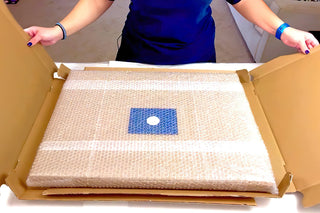
STEP 2 - SHIPPING
We ship your order. We send you an email to track the progress

STEP 3 - DELIVERY
You receive your order. You can also, according to your choice, be delivered to a relay point.
Matte finish
View from behind
Frame (optional)
Captivating Introduction
The art of portraiture has always been able to capture the essence of human beings, transcending time and space to offer a glimpse into the personality and social status of its subjects. The "Portrait of Catharina Belgica" by Jan Anthonisz van Ravesteyn is an emblematic example of this tradition, revealing not only the beauty of its model but also the cultural and historical context of its era. This piece, created by a master of the 17th century, immerses us in the fascinating world of Dutch painting, where every brushstroke is charged with meaning and significance. The art print of this portrait allows appreciation of the artist's finesse and exploration of the life of a woman who, through her image, left her mark on her time.
Style and uniqueness of the work
The style of Jan Anthonisz van Ravesteyn is distinguished by its ability to combine realism and idealization. In "Portrait of Catharina Belgica," every detail is carefully crafted, from the textures of the clothing to the reflections in the eyes, creating an illusion of life that draws the viewer in. The composition is designed with rigor that emphasizes the presence of the model, while the subtle use of light and shadow adds depth to the piece. Catharina, dressed in sumptuous attire, embodies the nobility of her time, but her expression, both serene and resolute, reveals a strong personality. This portrait does not merely depict a woman; it tells a story, that of an era when portraits were testimonies of power and prestige.
The artist and his influence
Jan Anthonisz van Ravesteyn, active during the Dutch Golden Age, established himself as a preferred portraitist among his contemporaries. A pupil of the Haarlem school, his work is marked by a deep understanding of the psychological nuances of his subjects. Van Ravesteyn influenced many artists, notably through his way of capturing not only outward appearance but also the soul of his models. His portraits, often commissioned by the aristocracy, testify to an art serving social status and personal identity. Through "Portrait of Catharina Belgica," the artist demonstrates
12,34 €