
Art print Portrait of Caspar Voght - Jean-Laurent Mosnier | Art print


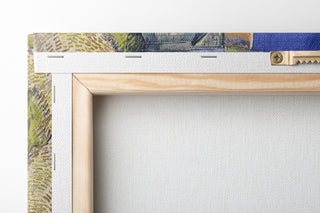
View from behind
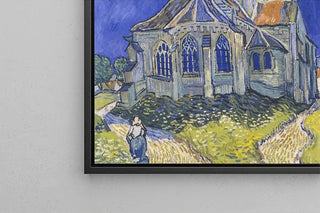
Frame (optional)
Portrait of Caspar Voght - Jean-Laurent Mosnier – Captivating Introduction
In the fascinating world of art, some works transcend eras and continue to captivate art enthusiasts with their depth and elegance. The "Portrait of Caspar Voght" by Jean-Laurent Mosnier is undoubtedly one of these iconic pieces. Created at the end of the 18th century, this artwork not only showcases the undeniable talent of the artist but also reflects the spirit of a time when portraiture became a means of asserting social status. Through this painting, Mosnier succeeds in capturing the very essence of his model, while offering the viewer a window into the society of his era.
Style and uniqueness of the work
The "Portrait of Caspar Voght" stands out for its striking realism and meticulous attention to detail. Mosnier, master of the art print, manages to breathe incredible life into his subject, revealing not only Voght's physical appearance but also a part of his character. The light, skillfully orchestrated, plays a fundamental role in the composition, highlighting facial features and textures of clothing. The chosen colors, both rich and delicate, add emotional depth to the piece. This art print is not limited to a simple representation; it tells a story, that of a man of his time, while evoking universal feelings. Voght's slightly tilted posture and contemplative gaze invite the viewer to ponder his thoughts and aspirations, making this work a true dialogue between the past and the present.
The artist and his influence
Jean-Laurent Mosnier, born in 1743, was an artist whose career was intimately linked to the artistic and social upheavals of the late 18th century. Trained in François Boucher's workshop, he developed a style that, while inspired by rococo, gradually moved toward a more sober and rigorous neoclassicism. Mosnier distinguished himself not only through his portraits but also by his ability to immortalize prominent figures of his time, from aristocrats to intellectuals. His influence extends beyond his era, inspiring many artists who, after him, sought to
Art print Portrait of Caspar Voght - Jean-Laurent Mosnier | Art print

-10% FROM €95 IN PURCHASES
-15% FROM €195 IN PURCHASES
Regular price
- Unit price
- per
Tax included.
Free shipping
€4.90 / Free shipping on orders over €39
Satisfied or Money Back
Free returns within 30 days
10-year warranty
Our prints are guaranteed for 10 years
Any questions? We are here!
by email to contact@artemlegrand.com
THE STEPS OF YOUR ORDER
STEP 1 - ORDER PLACED
Your order has been confirmed and we are starting production
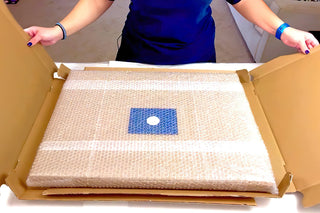
STEP 2 - SHIPPING
We ship your order. We send you an email to track the progress

STEP 3 - DELIVERY
You receive your order. You can also, according to your choice, be delivered to a relay point.
Matte finish
View from behind
Frame (optional)
Portrait of Caspar Voght - Jean-Laurent Mosnier – Captivating Introduction
In the fascinating world of art, some works transcend eras and continue to captivate art enthusiasts with their depth and elegance. The "Portrait of Caspar Voght" by Jean-Laurent Mosnier is undoubtedly one of these iconic pieces. Created at the end of the 18th century, this artwork not only showcases the undeniable talent of the artist but also reflects the spirit of a time when portraiture became a means of asserting social status. Through this painting, Mosnier succeeds in capturing the very essence of his model, while offering the viewer a window into the society of his era.
Style and uniqueness of the work
The "Portrait of Caspar Voght" stands out for its striking realism and meticulous attention to detail. Mosnier, master of the art print, manages to breathe incredible life into his subject, revealing not only Voght's physical appearance but also a part of his character. The light, skillfully orchestrated, plays a fundamental role in the composition, highlighting facial features and textures of clothing. The chosen colors, both rich and delicate, add emotional depth to the piece. This art print is not limited to a simple representation; it tells a story, that of a man of his time, while evoking universal feelings. Voght's slightly tilted posture and contemplative gaze invite the viewer to ponder his thoughts and aspirations, making this work a true dialogue between the past and the present.
The artist and his influence
Jean-Laurent Mosnier, born in 1743, was an artist whose career was intimately linked to the artistic and social upheavals of the late 18th century. Trained in François Boucher's workshop, he developed a style that, while inspired by rococo, gradually moved toward a more sober and rigorous neoclassicism. Mosnier distinguished himself not only through his portraits but also by his ability to immortalize prominent figures of his time, from aristocrats to intellectuals. His influence extends beyond his era, inspiring many artists who, after him, sought to
12,34 €