
Painting Portrait of Captain John Pigott - Joseph Blackburn | Art print


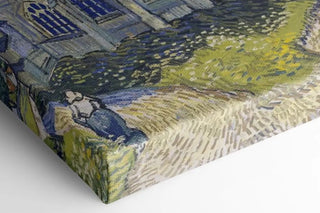
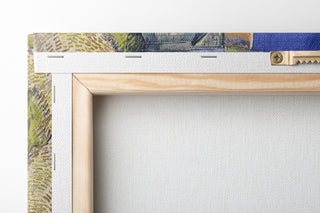
View from behind
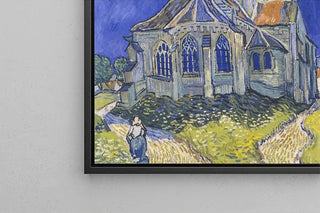
Frame (optional)
Portrait of Captain John Pigott - Joseph Blackburn – Engaging Introduction
In the fascinating world of art history, some works stand out for their ability to capture not only an individual's appearance but also the very essence of their character. The "Portrait of Captain John Pigott" by Joseph Blackburn is one such piece. Created in the 18th century, this painting depicts a man whose gaze and posture tell a rich and complex story. Pigott, a captain in the British navy, is here frozen in a moment of reflection, his expression revealing both the strength and vulnerability inherent to his status. This portrait does not merely depict a man; it also evokes an era, a social context, and a maritime culture in full expansion. Blackburn's work, through its psychological depth and realism, invites us to delve into a universe where every detail matters.
Style and uniqueness of the work
Joseph Blackburn's style is characterized by a remarkable mastery of light and shadow, which gives his portraits an almost lifelike dimension. In the "Portrait of Captain John Pigott," the chosen color palette, ranging from warm tones to cooler shades, creates a subtle balance that draws the eye. The drapery of the captain's clothing is rendered with precision that demonstrates the artist's exceptional skill. Every fold, every reflection of light on the fabric seems to tell a story, adding to the visual richness of the work. Moreover, the dark background highlights the main character, thus emphasizing his commanding presence. This stylistic choice is not accidental; it serves to intensify the emotional impact of the portrait, making the viewer almost an accomplice to the intimacy captured on the canvas.
The artist and his influence
Joseph Blackburn, active mainly in New England, made a name for himself thanks to his exceptional talent for portraiture. Operating in an artistic context where realistic representation was flourishing, he distinguished himself by his ability to combine technique and emotion. Influenced by the great European masters, Blackburn managed to incorporate elements of their style while developing a personal voice that is uniquely his own. His work not only marked his era but also paved the way for a
Painting Portrait of Captain John Pigott - Joseph Blackburn | Art print

-10% FROM €95 IN PURCHASES
-15% FROM €195 IN PURCHASES
Regular price
- Unit price
- per
Tax included.
Free shipping
€4.90 / Free shipping on orders over €39
Satisfied or Money Back
Free returns within 30 days
10-year warranty
Our prints are guaranteed for 10 years
Any questions? We are here!
by email to contact@artemlegrand.com
THE STEPS OF YOUR ORDER

STEP 1 - ORDER PLACED
Your order has been confirmed and we are starting production
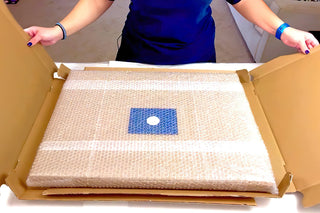
STEP 2 - SHIPPING
We ship your order. We send you an email to track the progress

STEP 3 - DELIVERY
You receive your order. You can also, according to your choice, be delivered to a relay point.
Matte finish
View from behind
Frame (optional)
Portrait of Captain John Pigott - Joseph Blackburn – Engaging Introduction
In the fascinating world of art history, some works stand out for their ability to capture not only an individual's appearance but also the very essence of their character. The "Portrait of Captain John Pigott" by Joseph Blackburn is one such piece. Created in the 18th century, this painting depicts a man whose gaze and posture tell a rich and complex story. Pigott, a captain in the British navy, is here frozen in a moment of reflection, his expression revealing both the strength and vulnerability inherent to his status. This portrait does not merely depict a man; it also evokes an era, a social context, and a maritime culture in full expansion. Blackburn's work, through its psychological depth and realism, invites us to delve into a universe where every detail matters.
Style and uniqueness of the work
Joseph Blackburn's style is characterized by a remarkable mastery of light and shadow, which gives his portraits an almost lifelike dimension. In the "Portrait of Captain John Pigott," the chosen color palette, ranging from warm tones to cooler shades, creates a subtle balance that draws the eye. The drapery of the captain's clothing is rendered with precision that demonstrates the artist's exceptional skill. Every fold, every reflection of light on the fabric seems to tell a story, adding to the visual richness of the work. Moreover, the dark background highlights the main character, thus emphasizing his commanding presence. This stylistic choice is not accidental; it serves to intensify the emotional impact of the portrait, making the viewer almost an accomplice to the intimacy captured on the canvas.
The artist and his influence
Joseph Blackburn, active mainly in New England, made a name for himself thanks to his exceptional talent for portraiture. Operating in an artistic context where realistic representation was flourishing, he distinguished himself by his ability to combine technique and emotion. Influenced by the great European masters, Blackburn managed to incorporate elements of their style while developing a personal voice that is uniquely his own. His work not only marked his era but also paved the way for a
12,34 €