
Art print Portrait of Blasius von Holzhausen 1481–1525 - Hans Abel II


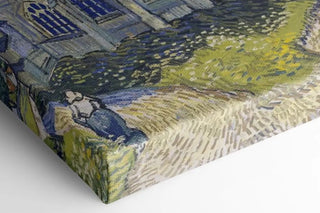
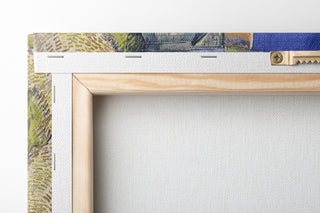
View from behind
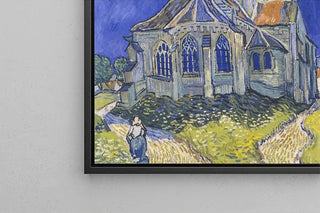
Frame (optional)
Portrait of Blasius von Holzhausen 1481–1525 - Hans Abel II – Captivating Introduction
The portrait of Blasius von Holzhausen, created by Hans Abel II in the early 16th century, stands as a fascinating testament to the German Renaissance. This artwork does more than depict a man; it encapsulates an era, a culture, and a worldview that transcend time. Gazing at this portrait, the viewer is invited to immerse themselves in the universe of an aristocrat whose gaze seems to traverse centuries, revealing psychological depth and palpable humanity. The art print of Blasius von Holzhausen 1481–1525 - Hans Abel II thus offers an entry point into a period where art and social life were intricately intertwined, reflecting the richness of a cultural heritage in full bloom.
Style and uniqueness of the work
Hans Abel II's art is distinguished by striking realism and meticulous attention to detail. In this portrait, the treatment of textures—whether the sumptuous fabric of the robe or the delicate skin of the subject—demonstrates exceptional craftsmanship. The colors, though subdued, are skillfully chosen to highlight the imposing stature of Blasius von Holzhausen. The artist manages to capture the very essence of his model, not only through physical appearance but also through the expression on his face, which exudes a certain gravity. This portrait is not limited to the representation of a historical figure; it also evokes reflection on power, dignity, and social status—themes dear to the Renaissance. The composition, balanced and harmonious, guides the viewer’s gaze, inviting exploration of every detail, every nuance, and prompting questions about this man's life.
The artist and his influence
Hans Abel II, an emblematic figure of the German Renaissance, established himself through his unique style and innovative approach. Operating within a rich artistic context, he was influenced by the masters of his time while developing a distinctive signature characterized by a pursuit of realism and emotion. His work, although less known than that of his contemporaries, deserves special attention. Abel II succeeded in capturing the spirit of his era, blending
Art print Portrait of Blasius von Holzhausen 1481–1525 - Hans Abel II

-10% FROM €95 IN PURCHASES
-15% FROM €195 IN PURCHASES
Regular price
- Unit price
- per
Tax included.
Free shipping
€4.90 / Free shipping on orders over €39
Satisfied or Money Back
Free returns within 30 days
10-year warranty
Our prints are guaranteed for 10 years
Any questions? We are here!
by email to contact@artemlegrand.com
THE STEPS OF YOUR ORDER

STEP 1 - ORDER PLACED
Your order has been confirmed and we are starting production
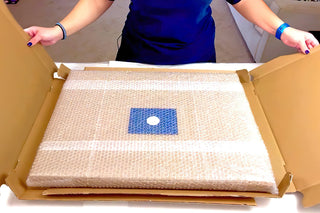
STEP 2 - SHIPPING
We ship your order. We send you an email to track the progress

STEP 3 - DELIVERY
You receive your order. You can also, according to your choice, be delivered to a relay point.
Matte finish
View from behind
Frame (optional)
Portrait of Blasius von Holzhausen 1481–1525 - Hans Abel II – Captivating Introduction
The portrait of Blasius von Holzhausen, created by Hans Abel II in the early 16th century, stands as a fascinating testament to the German Renaissance. This artwork does more than depict a man; it encapsulates an era, a culture, and a worldview that transcend time. Gazing at this portrait, the viewer is invited to immerse themselves in the universe of an aristocrat whose gaze seems to traverse centuries, revealing psychological depth and palpable humanity. The art print of Blasius von Holzhausen 1481–1525 - Hans Abel II thus offers an entry point into a period where art and social life were intricately intertwined, reflecting the richness of a cultural heritage in full bloom.
Style and uniqueness of the work
Hans Abel II's art is distinguished by striking realism and meticulous attention to detail. In this portrait, the treatment of textures—whether the sumptuous fabric of the robe or the delicate skin of the subject—demonstrates exceptional craftsmanship. The colors, though subdued, are skillfully chosen to highlight the imposing stature of Blasius von Holzhausen. The artist manages to capture the very essence of his model, not only through physical appearance but also through the expression on his face, which exudes a certain gravity. This portrait is not limited to the representation of a historical figure; it also evokes reflection on power, dignity, and social status—themes dear to the Renaissance. The composition, balanced and harmonious, guides the viewer’s gaze, inviting exploration of every detail, every nuance, and prompting questions about this man's life.
The artist and his influence
Hans Abel II, an emblematic figure of the German Renaissance, established himself through his unique style and innovative approach. Operating within a rich artistic context, he was influenced by the masters of his time while developing a distinctive signature characterized by a pursuit of realism and emotion. His work, although less known than that of his contemporaries, deserves special attention. Abel II succeeded in capturing the spirit of his era, blending
12,34 €