
Art print Portrait of Archduchess Marie Christine, Duchess of Teschen 1742-1798 - Georg Weikert | Art print


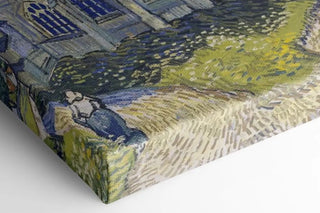
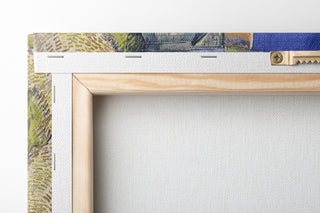
View from behind
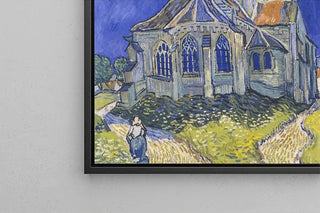
Frame (optional)
Portrait of Archduchess Marie Christine, Duchess of Teschen 1742-1798 - Georg Weikert – Engaging Introduction
In the vast panorama of art history, certain works stand out for their ability to capture the very essence of an era while revealing the personality of their subjects. The art print of Archduchess Marie Christine, created by Georg Weikert, is one of these iconic pieces. Painted in the 18th century, this representation does not merely depict a noble; it also evokes the refinement and sophistication of a court in full vibrancy. Through this painting, Weikert aims not only to immortalize an aristocratic figure but to create a dialogue between the viewer and history, an invitation to delve into the complex universe of European nobility.
Style and uniqueness of the artwork
The style of Georg Weikert in this portrait is characterized by delicacy and precision that testify to his technical skill. The choice of colors, textures, and clothing details helps to create an atmosphere of elegance. The archduchess stands with majestic presence, draped in sumptuous fabrics that seem almost alive. The delicate nuances of her dress, combined with the subtle light illuminating her face, create a captivating play of shadows and highlights. Every element of the composition, from the ornaments on her bodice to the sparkling jewelry, is carefully designed to reflect not only Marie Christine's social status but also her personality. This art print transcends the simple exercise of representation; it becomes a celebration of individuality within a collective framework.
The artist and his influence
Georg Weikert, a German-born painter, established himself in the artistic world of his time thanks to his undeniable talent and his ability to adapt to the expectations of the nobility. Trained in the traditions of great European masters, he developed a style that is uniquely his own, blending baroque influences with elements of rococo. His work is marked by a particular sensitivity to the psychology of the characters he depicts. By choosing to portray Marie Christine, Weikert not only captures an archduchess; he creates
Art print Portrait of Archduchess Marie Christine, Duchess of Teschen 1742-1798 - Georg Weikert | Art print

-10% FROM €95 IN PURCHASES
-15% FROM €195 IN PURCHASES
Regular price
- Unit price
- per
Tax included.
Free shipping
€4.90 / Free shipping on orders over €39
Satisfied or Money Back
Free returns within 30 days
10-year warranty
Our prints are guaranteed for 10 years
Any questions? We are here!
by email to contact@artemlegrand.com
THE STEPS OF YOUR ORDER

STEP 1 - ORDER PLACED
Your order has been confirmed and we are starting production
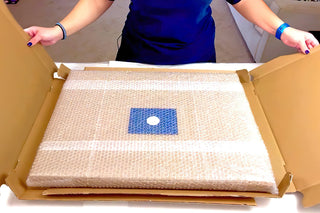
STEP 2 - SHIPPING
We ship your order. We send you an email to track the progress

STEP 3 - DELIVERY
You receive your order. You can also, according to your choice, be delivered to a relay point.
Matte finish
View from behind
Frame (optional)
Portrait of Archduchess Marie Christine, Duchess of Teschen 1742-1798 - Georg Weikert – Engaging Introduction
In the vast panorama of art history, certain works stand out for their ability to capture the very essence of an era while revealing the personality of their subjects. The art print of Archduchess Marie Christine, created by Georg Weikert, is one of these iconic pieces. Painted in the 18th century, this representation does not merely depict a noble; it also evokes the refinement and sophistication of a court in full vibrancy. Through this painting, Weikert aims not only to immortalize an aristocratic figure but to create a dialogue between the viewer and history, an invitation to delve into the complex universe of European nobility.
Style and uniqueness of the artwork
The style of Georg Weikert in this portrait is characterized by delicacy and precision that testify to his technical skill. The choice of colors, textures, and clothing details helps to create an atmosphere of elegance. The archduchess stands with majestic presence, draped in sumptuous fabrics that seem almost alive. The delicate nuances of her dress, combined with the subtle light illuminating her face, create a captivating play of shadows and highlights. Every element of the composition, from the ornaments on her bodice to the sparkling jewelry, is carefully designed to reflect not only Marie Christine's social status but also her personality. This art print transcends the simple exercise of representation; it becomes a celebration of individuality within a collective framework.
The artist and his influence
Georg Weikert, a German-born painter, established himself in the artistic world of his time thanks to his undeniable talent and his ability to adapt to the expectations of the nobility. Trained in the traditions of great European masters, he developed a style that is uniquely his own, blending baroque influences with elements of rococo. His work is marked by a particular sensitivity to the psychology of the characters he depicts. By choosing to portray Marie Christine, Weikert not only captures an archduchess; he creates
12,34 €