
Art print Portrait of an anonymous man - Jean-François Millet | Art print


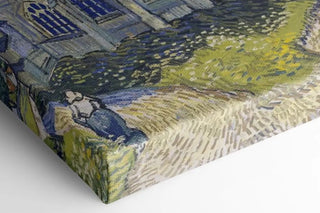
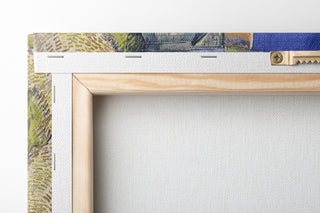
View from behind
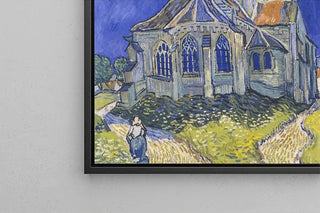
Frame (optional)
Jean-François Millet's "Portrait of an Unknown Man" is a work that transcends the simple frame of painting to offer an immersion into the human soul and the social condition of its time. This painting, created in the 19th century, reveals not only the undeniable talent of the artist but also a deep sensitivity towards the subjects he chooses to depict. Through this portrait, Millet invites us to contemplate a man whose identity remains mysterious, while evoking universal emotions. The power of this artwork lies in its ability to touch the viewer, to resonate within them echoes of their own existence. By addressing themes such as anonymity and dignity, Millet succeeds in capturing the very essence of the individual, while placing him within a broader context.
Style and uniqueness of the work
Millet's style is characterized by poignant realism and meticulous attention to detail. In the "Portrait of an Unknown Man," the earthy color palette and rich textures testify to his naturalist approach. Every brushstroke seems charged with emotion, giving the depicted man an almost tangible presence. The light, subtly manipulated, plays a crucial role in the atmosphere of the piece, creating a play of shadows and highlights that accentuate facial features and the folds of the jacket. This portrait is not limited to a simple physical representation; it is a psychological exploration, where every gaze and expression is filled with untold stories. Millet manages to establish an intimate connection between the subject and the viewer, making the work all the more captivating.
The artist and his influence
Jean-François Millet, an emblematic figure of the realist movement, knew how to mark his era with his unique vision of rural life and the working classes. Born in 1814 in Normandy, he was deeply influenced by his environment, which is reflected in his works. Millet does not merely paint scenes of daily life; he elevates these simple moments to the level of art. His commitment to representing peasants and workers paved the way for many subsequent artists, who sought to capture
Art print Portrait of an anonymous man - Jean-François Millet | Art print

-10% FROM €95 IN PURCHASES
-15% FROM €195 IN PURCHASES
Regular price
- Unit price
- per
Tax included.
Free shipping
€4.90 / Free shipping on orders over €39
Satisfied or Money Back
Free returns within 30 days
10-year warranty
Our prints are guaranteed for 10 years
Any questions? We are here!
by email to contact@artemlegrand.com
THE STEPS OF YOUR ORDER
STEP 1 - ORDER PLACED
Your order has been confirmed and we are starting production
STEP 2 - SHIPPING
We ship your order. We send you an email to track the progress

STEP 3 - DELIVERY
You receive your order. You can also, according to your choice, be delivered to a relay point.
Matte finish
View from behind
Frame (optional)
Jean-François Millet's "Portrait of an Unknown Man" is a work that transcends the simple frame of painting to offer an immersion into the human soul and the social condition of its time. This painting, created in the 19th century, reveals not only the undeniable talent of the artist but also a deep sensitivity towards the subjects he chooses to depict. Through this portrait, Millet invites us to contemplate a man whose identity remains mysterious, while evoking universal emotions. The power of this artwork lies in its ability to touch the viewer, to resonate within them echoes of their own existence. By addressing themes such as anonymity and dignity, Millet succeeds in capturing the very essence of the individual, while placing him within a broader context.
Style and uniqueness of the work
Millet's style is characterized by poignant realism and meticulous attention to detail. In the "Portrait of an Unknown Man," the earthy color palette and rich textures testify to his naturalist approach. Every brushstroke seems charged with emotion, giving the depicted man an almost tangible presence. The light, subtly manipulated, plays a crucial role in the atmosphere of the piece, creating a play of shadows and highlights that accentuate facial features and the folds of the jacket. This portrait is not limited to a simple physical representation; it is a psychological exploration, where every gaze and expression is filled with untold stories. Millet manages to establish an intimate connection between the subject and the viewer, making the work all the more captivating.
The artist and his influence
Jean-François Millet, an emblematic figure of the realist movement, knew how to mark his era with his unique vision of rural life and the working classes. Born in 1814 in Normandy, he was deeply influenced by his environment, which is reflected in his works. Millet does not merely paint scenes of daily life; he elevates these simple moments to the level of art. His commitment to representing peasants and workers paved the way for many subsequent artists, who sought to capture
12,34 €