
Portrait of an officer - Jan Anthonisz van Ravesteyn | Art print


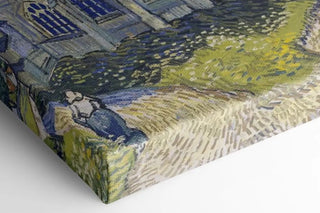
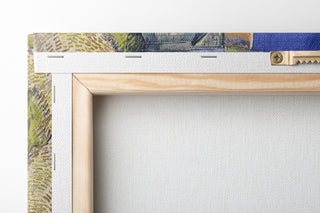
View from behind
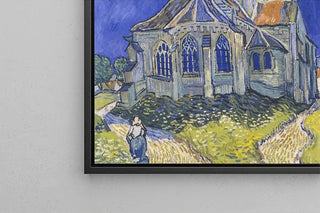
Frame (optional)
In the world of 17th-century Dutch painting, certain works stand out for their ability to capture the very essence of humanity. The "Portrait of an Officer" by Jan Anthonisz van Ravesteyn is a shining example. This iconic piece, which unfolds with rare visual intensity, immerses us in an era where portraiture was not only a means of artistic expression but also a symbol of social status and power. The depiction of an officer, armed with his penetrating gaze and proud demeanor, evokes a rich and complex history, where every detail contributes to the storytelling of a life, a journey, and a period.
Style and uniqueness of the work
Van Ravesteyn's style is characterized by impressive technical mastery, evident in the rendering of textures and lights. Here, the treatment of fabrics, the metallic reflections of the armor, and the delicate nuances of the skin demonstrate meticulous observation and unparalleled virtuosity. The artist manages to infuse his subject with a lively, almost tangible presence, thanks to a subtle use of light and shadow. The dark background highlights the figure, emphasizing its importance and stature. The composition, both balanced and dynamic, guides the viewer's gaze toward the officer's face, where each expression seems to tell a story. This portrait does not merely depict an individual; it evokes an atmosphere, a mood, and a frozen moment in time.
The artist and his influence
Jan Anthonisz van Ravesteyn, active in The Hague at the beginning of the 17th century, is an artist whose work profoundly shaped the artistic landscape of his time. Trained in the wake of the great masters of Dutch painting, he developed a style that is uniquely his own, combining realism with a certain grandeur. His ability to capture the psychology of his subjects and to portray them with remarkable dignity made him a sought-after portraitist. Van Ravesteyn's influence is not limited to his era; it has also inspired generations of artists who saw in his
Portrait of an officer - Jan Anthonisz van Ravesteyn | Art print

-10% FROM €95 IN PURCHASES
-15% FROM €195 IN PURCHASES
Regular price
- Unit price
- per
Tax included.
Free shipping
€4.90 / Free shipping on orders over €39
Satisfied or Money Back
Free returns within 30 days
10-year warranty
Our prints are guaranteed for 10 years
Any questions? We are here!
by email to contact@artemlegrand.com
THE STEPS OF YOUR ORDER
STEP 1 - ORDER PLACED
Your order has been confirmed and we are starting production
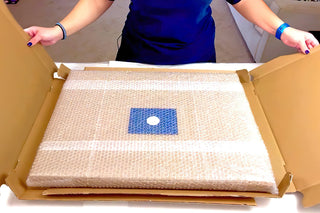
STEP 2 - SHIPPING
We ship your order. We send you an email to track the progress

STEP 3 - DELIVERY
You receive your order. You can also, according to your choice, be delivered to a relay point.
Matte finish
View from behind
Frame (optional)
In the world of 17th-century Dutch painting, certain works stand out for their ability to capture the very essence of humanity. The "Portrait of an Officer" by Jan Anthonisz van Ravesteyn is a shining example. This iconic piece, which unfolds with rare visual intensity, immerses us in an era where portraiture was not only a means of artistic expression but also a symbol of social status and power. The depiction of an officer, armed with his penetrating gaze and proud demeanor, evokes a rich and complex history, where every detail contributes to the storytelling of a life, a journey, and a period.
Style and uniqueness of the work
Van Ravesteyn's style is characterized by impressive technical mastery, evident in the rendering of textures and lights. Here, the treatment of fabrics, the metallic reflections of the armor, and the delicate nuances of the skin demonstrate meticulous observation and unparalleled virtuosity. The artist manages to infuse his subject with a lively, almost tangible presence, thanks to a subtle use of light and shadow. The dark background highlights the figure, emphasizing its importance and stature. The composition, both balanced and dynamic, guides the viewer's gaze toward the officer's face, where each expression seems to tell a story. This portrait does not merely depict an individual; it evokes an atmosphere, a mood, and a frozen moment in time.
The artist and his influence
Jan Anthonisz van Ravesteyn, active in The Hague at the beginning of the 17th century, is an artist whose work profoundly shaped the artistic landscape of his time. Trained in the wake of the great masters of Dutch painting, he developed a style that is uniquely his own, combining realism with a certain grandeur. His ability to capture the psychology of his subjects and to portray them with remarkable dignity made him a sought-after portraitist. Van Ravesteyn's influence is not limited to his era; it has also inspired generations of artists who saw in his
12,34 €