
Painting Portrait of a Young Man - Jacopo Amigoni | Art print


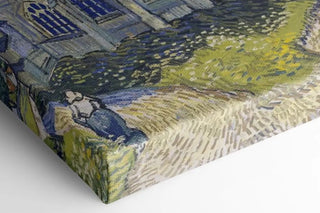
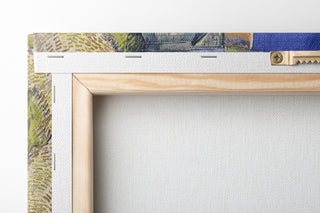
View from behind
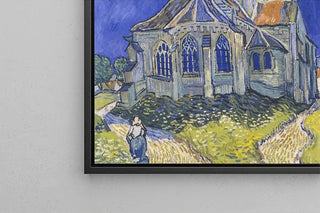
Frame (optional)
Portrait of a Young Man - Jacopo Amigoni – Captivating Introduction
The "Portrait of a Young Man" by Jacopo Amigoni is a work that instantly captivates the eye and the mind. Created in the 18th century, this painting embodies not only the exceptional talent of its creator but also the very essence of the baroque portrait. In this piece, Amigoni manages to capture an expression of introspection and nobility, thus revealing the complex personality of his model. The play of light and color, characteristic of his style, brings this representation to life, inviting the viewer to immerse themselves in a universe where time seems suspended. This portrait, emblematic of an era where art is closely intertwined with human psychology, is a true window into the soul.
Style and uniqueness of the work
Jacopo Amigoni's style is distinguished by his skill in blending realism and idealization. In the "Portrait of a Young Man," this duality is particularly evident. The precision of the features, the finesse of the details, and the richness of the colors testify to undeniable technical mastery. Influenced by the great masters of painting, Amigoni succeeds in creating an atmosphere that is both intimate and majestic. The drapery of the young man's clothing, carefully rendered, adds a tactile dimension to the work, while the penetrating gaze of the model seems to tell a story, a quest for meaning that resonates through the centuries. This portrait is not merely a simple representation; it becomes a psychological exploration of its subject, an invitation to reflect on identity and the ephemeral nature of life.
The artist and his influence
Jacopo Amigoni, born in 1682 in Venice, is an artist whose impact on the art world cannot be underestimated. Trained in the Venetian tradition, he managed to establish himself in the European artistic landscape thanks to his unique style and his ability to adapt to various cultural influences. His time in Spain and England enriched his artistic vocabulary, allowing him to incorporate baroque elements while preserving his own identity. Amigoni thus contributed to the evolution of the portrait as a genre, emphasizing the
Painting Portrait of a Young Man - Jacopo Amigoni | Art print

-10% FROM €95 IN PURCHASES
-15% FROM €195 IN PURCHASES
Regular price
- Unit price
- per
Tax included.
Free shipping
€4.90 / Free shipping on orders over €39
Satisfied or Money Back
Free returns within 30 days
10-year warranty
Our prints are guaranteed for 10 years
Any questions? We are here!
by email to contact@artemlegrand.com
THE STEPS OF YOUR ORDER

STEP 1 - ORDER PLACED
Your order has been confirmed and we are starting production
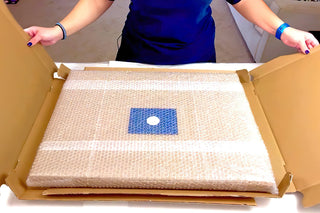
STEP 2 - SHIPPING
We ship your order. We send you an email to track the progress

STEP 3 - DELIVERY
You receive your order. You can also, according to your choice, be delivered to a relay point.
Matte finish
View from behind
Frame (optional)
Portrait of a Young Man - Jacopo Amigoni – Captivating Introduction
The "Portrait of a Young Man" by Jacopo Amigoni is a work that instantly captivates the eye and the mind. Created in the 18th century, this painting embodies not only the exceptional talent of its creator but also the very essence of the baroque portrait. In this piece, Amigoni manages to capture an expression of introspection and nobility, thus revealing the complex personality of his model. The play of light and color, characteristic of his style, brings this representation to life, inviting the viewer to immerse themselves in a universe where time seems suspended. This portrait, emblematic of an era where art is closely intertwined with human psychology, is a true window into the soul.
Style and uniqueness of the work
Jacopo Amigoni's style is distinguished by his skill in blending realism and idealization. In the "Portrait of a Young Man," this duality is particularly evident. The precision of the features, the finesse of the details, and the richness of the colors testify to undeniable technical mastery. Influenced by the great masters of painting, Amigoni succeeds in creating an atmosphere that is both intimate and majestic. The drapery of the young man's clothing, carefully rendered, adds a tactile dimension to the work, while the penetrating gaze of the model seems to tell a story, a quest for meaning that resonates through the centuries. This portrait is not merely a simple representation; it becomes a psychological exploration of its subject, an invitation to reflect on identity and the ephemeral nature of life.
The artist and his influence
Jacopo Amigoni, born in 1682 in Venice, is an artist whose impact on the art world cannot be underestimated. Trained in the Venetian tradition, he managed to establish himself in the European artistic landscape thanks to his unique style and his ability to adapt to various cultural influences. His time in Spain and England enriched his artistic vocabulary, allowing him to incorporate baroque elements while preserving his own identity. Amigoni thus contributed to the evolution of the portrait as a genre, emphasizing the
12,34 €