
Portrait of a young boy - Jean-Baptiste Lantscroon | Art print


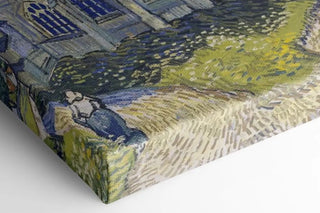
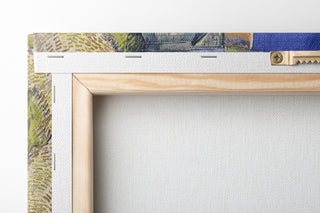
View from behind
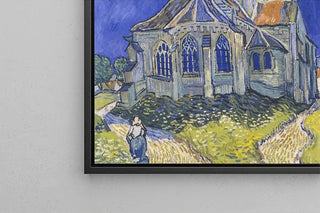
Frame (optional)
The "Portrait of a Young Boy" by Jean-Baptiste Lantscroon stands out as an iconic work of the 17th century, showcasing the richness and diversity of Dutch painting. This painting, depicting a young child with striking delicacy, captures the essence of an era where art intertwines with everyday life. Through the boy's sparkling gaze, the viewer is transported to a world where innocence and curiosity intertwine, revealing a rare psychological depth. Lantscroon, as a portraitist, succeeds in immortalizing not only the physical features of his subject but also his youthful spirit, offering a window into the soul of childhood.
Style and uniqueness of the work
The uniqueness of the piece lies in the harmony of colors and the finesse of details. Lantscroon uses a subtle palette, blending warm and cool tones to create a soft and welcoming atmosphere. The blurred background, which does not compete with the main subject, allows the focus to remain on the expressive face of the young boy. Each brushstroke appears deliberate, each shadow carefully placed, contributing to a sense of volume and life. The treatment of the clothing, with its delicate textures, also demonstrates the artist's skill in capturing nuances of light, adding a tactile dimension to the work. This portrait, far from being a simple representation, becomes a true visual narration, where each element participates in the story Lantscroon wishes to convey.
The artist and his influence
Jean-Baptiste Lantscroon, born in Holland, is recognized for his ability to combine realism and idealization in his portraits. Trained in the traditions of Flemish painting, he established himself as one of the most respected portraitists of his time. His style, influenced by masters such as Rembrandt, is distinguished by meticulous attention to detail and a deep understanding of human emotions. Lantscroon succeeded in capturing not only the appearance of his subjects but also their essence, inspiring many artists after him. His technique, marked by a
Portrait of a young boy - Jean-Baptiste Lantscroon | Art print

-10% FROM €95 IN PURCHASES
-15% FROM €195 IN PURCHASES
Regular price
- Unit price
- per
Tax included.
Free shipping
€4.90 / Free shipping on orders over €39
Satisfied or Money Back
Free returns within 30 days
10-year warranty
Our prints are guaranteed for 10 years
Any questions? We are here!
by email to contact@artemlegrand.com
THE STEPS OF YOUR ORDER

STEP 1 - ORDER PLACED
Your order has been confirmed and we are starting production
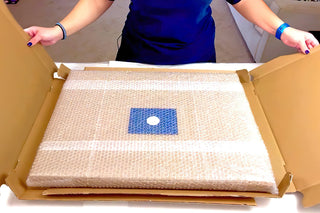
STEP 2 - SHIPPING
We ship your order. We send you an email to track the progress

STEP 3 - DELIVERY
You receive your order. You can also, according to your choice, be delivered to a relay point.
Matte finish
View from behind
Frame (optional)
The "Portrait of a Young Boy" by Jean-Baptiste Lantscroon stands out as an iconic work of the 17th century, showcasing the richness and diversity of Dutch painting. This painting, depicting a young child with striking delicacy, captures the essence of an era where art intertwines with everyday life. Through the boy's sparkling gaze, the viewer is transported to a world where innocence and curiosity intertwine, revealing a rare psychological depth. Lantscroon, as a portraitist, succeeds in immortalizing not only the physical features of his subject but also his youthful spirit, offering a window into the soul of childhood.
Style and uniqueness of the work
The uniqueness of the piece lies in the harmony of colors and the finesse of details. Lantscroon uses a subtle palette, blending warm and cool tones to create a soft and welcoming atmosphere. The blurred background, which does not compete with the main subject, allows the focus to remain on the expressive face of the young boy. Each brushstroke appears deliberate, each shadow carefully placed, contributing to a sense of volume and life. The treatment of the clothing, with its delicate textures, also demonstrates the artist's skill in capturing nuances of light, adding a tactile dimension to the work. This portrait, far from being a simple representation, becomes a true visual narration, where each element participates in the story Lantscroon wishes to convey.
The artist and his influence
Jean-Baptiste Lantscroon, born in Holland, is recognized for his ability to combine realism and idealization in his portraits. Trained in the traditions of Flemish painting, he established himself as one of the most respected portraitists of his time. His style, influenced by masters such as Rembrandt, is distinguished by meticulous attention to detail and a deep understanding of human emotions. Lantscroon succeeded in capturing not only the appearance of his subjects but also their essence, inspiring many artists after him. His technique, marked by a
12,34 €