
Portrait of a six-year-old boy - Jan de Bray | Art print


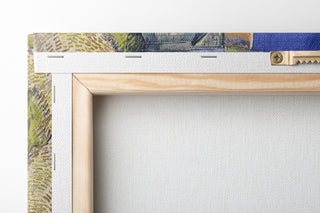
View from behind
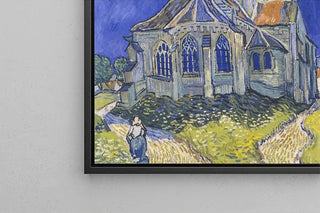
Frame (optional)
Portrait of a Six-Year-Old Boy - Jan de Bray – Captivating Introduction
In the world of art, some works transcend time, capturing not only the image of a subject but also the very essence of their era. The "Portrait of a Six-Year-Old Boy" by Jan de Bray is one of those creations that fascinate and move viewers. Created in the 17th century, this painting offers a penetrating look into childhood innocence while revealing the subtleties of a mastered pictorial technique. Through this portrait, the artist manages to establish a strong emotional connection between the viewer and the young boy, inviting everyone to contemplate the fragility and beauty of youth.
Style and uniqueness of the work
Jan de Bray's style is characterized by meticulous attention to detail and a rich, harmonious color palette. In this portrait, the boy is depicted with precision that demonstrates the artist's virtuosity. The textures of the clothing, the luminosity of the hues, and the delicate rendering of facial features create an atmosphere that is both intimate and solemn. What makes this work particularly unique is the way the boy's gaze seems to follow the viewer, thus establishing a lively and dynamic connection. The composition, both simple and powerful, highlights the child while placing him in a context that suggests his family's social status. De Bray succeeds in capturing this duality between childhood innocence and societal expectations, making the portrait all the more poignant.
The artist and his influence
Jan de Bray, a prominent figure of the Dutch Golden Age, is often recognized for his ability to combine realism and symbolism in his works. Trained in the wake of the great masters of his time, he developed a style that is uniquely his own, distinguished by technical finesse and a keen sense of composition. As an artist, de Bray not only contributed to the enrichment of the portrait genre but also influenced many contemporary and future painters. His approach to portraiture, which combines an introspective gaze on the subject with a faithful representation of their environment, paved the way for new artistic explorations. Thus, the "
Portrait of a six-year-old boy - Jan de Bray | Art print

-10% FROM €95 IN PURCHASES
-15% FROM €195 IN PURCHASES
Regular price
- Unit price
- per
Tax included.
Free shipping
€4.90 / Free shipping on orders over €39
Satisfied or Money Back
Free returns within 30 days
10-year warranty
Our prints are guaranteed for 10 years
Any questions? We are here!
by email to contact@artemlegrand.com
THE STEPS OF YOUR ORDER

STEP 1 - ORDER PLACED
Your order has been confirmed and we are starting production
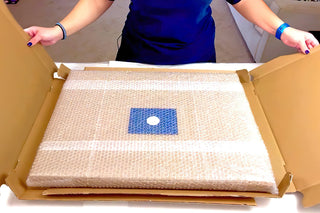
STEP 2 - SHIPPING
We ship your order. We send you an email to track the progress

STEP 3 - DELIVERY
You receive your order. You can also, according to your choice, be delivered to a relay point.
Matte finish
View from behind
Frame (optional)
Portrait of a Six-Year-Old Boy - Jan de Bray – Captivating Introduction
In the world of art, some works transcend time, capturing not only the image of a subject but also the very essence of their era. The "Portrait of a Six-Year-Old Boy" by Jan de Bray is one of those creations that fascinate and move viewers. Created in the 17th century, this painting offers a penetrating look into childhood innocence while revealing the subtleties of a mastered pictorial technique. Through this portrait, the artist manages to establish a strong emotional connection between the viewer and the young boy, inviting everyone to contemplate the fragility and beauty of youth.
Style and uniqueness of the work
Jan de Bray's style is characterized by meticulous attention to detail and a rich, harmonious color palette. In this portrait, the boy is depicted with precision that demonstrates the artist's virtuosity. The textures of the clothing, the luminosity of the hues, and the delicate rendering of facial features create an atmosphere that is both intimate and solemn. What makes this work particularly unique is the way the boy's gaze seems to follow the viewer, thus establishing a lively and dynamic connection. The composition, both simple and powerful, highlights the child while placing him in a context that suggests his family's social status. De Bray succeeds in capturing this duality between childhood innocence and societal expectations, making the portrait all the more poignant.
The artist and his influence
Jan de Bray, a prominent figure of the Dutch Golden Age, is often recognized for his ability to combine realism and symbolism in his works. Trained in the wake of the great masters of his time, he developed a style that is uniquely his own, distinguished by technical finesse and a keen sense of composition. As an artist, de Bray not only contributed to the enrichment of the portrait genre but also influenced many contemporary and future painters. His approach to portraiture, which combines an introspective gaze on the subject with a faithful representation of their environment, paved the way for new artistic explorations. Thus, the "
12,34 €