
Painting Portrait of a Moroccan man - Josep Tapir Bar | Art print


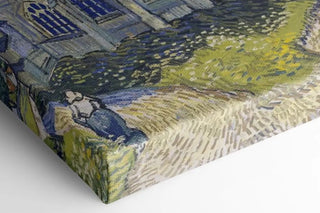
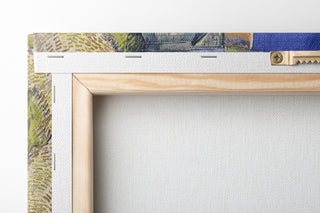
View from behind
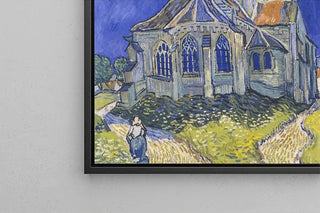
Frame (optional)
Portrait of a Moroccan man - Josep Tapir Bar – Captivating introduction
In the rich and fascinating universe of art, some works stand out for their ability to capture not only the appearance of a subject but also the very essence of their identity. The "Portrait of a Moroccan man" by Josep Tapir Bar is one of those creations that transcends the simple frame of painting to immerse us in an atmosphere imbued with culture and emotion. This portrait, both vibrant and intimate, invites us to explore the depths of the human soul through the lens of a Moroccan culture rich in traditions and colors. Contemplating this piece, the viewer is transported to a world where every detail tells a story, where each exchanged gaze evokes tales of a lived life.
Style and uniqueness of the work
The uniqueness of the "Portrait of a Moroccan man" lies in Tapir Bar's technical mastery, which manages to combine realism and expressionism. The warm, earthy colors used by the artist evoke not only the Moroccan landscape but also the soul of his subject. The play of light and shadow, skillfully orchestrated, gives unprecedented depth to the face of the character, making his gaze both penetrating and mysterious. The artist does not merely reproduce a face; he captures the essence of a culture, a history, and an identity. Each brushstroke seems to be an invitation to discover the hidden stories behind the features of this man, to feel the emotions that inhabit him. This portrait thus becomes a mirror of the soul, revealing the complexity of the human being through a striking visual representation.
The artist and his influence
Josep Tapir Bar, a Catalan painter of the 19th century, is recognized for his ability to fuse different artistic influences while remaining deeply rooted in his era. His work is marked by a particular sensitivity to the cultures he encountered during his travels, notably in Morocco. As a traveling artist, he was able to absorb the colors and lights of the places he explored, translating these experiences into vibrant creations. Tapir Bar was also influenced by the Orientalist movement, which sought to represent
Painting Portrait of a Moroccan man - Josep Tapir Bar | Art print

-10% FROM €95 IN PURCHASES
-15% FROM €195 IN PURCHASES
Regular price
- Unit price
- per
Tax included.
Free shipping
€4.90 / Free shipping on orders over €39
Satisfied or Money Back
Free returns within 30 days
10-year warranty
Our prints are guaranteed for 10 years
Any questions? We are here!
by email to contact@artemlegrand.com
THE STEPS OF YOUR ORDER
STEP 1 - ORDER PLACED
Your order has been confirmed and we are starting production
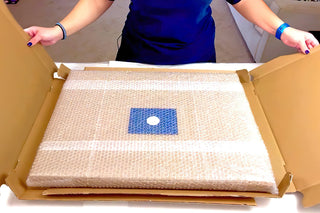
STEP 2 - SHIPPING
We ship your order. We send you an email to track the progress

STEP 3 - DELIVERY
You receive your order. You can also, according to your choice, be delivered to a relay point.
Matte finish
View from behind
Frame (optional)
Portrait of a Moroccan man - Josep Tapir Bar – Captivating introduction
In the rich and fascinating universe of art, some works stand out for their ability to capture not only the appearance of a subject but also the very essence of their identity. The "Portrait of a Moroccan man" by Josep Tapir Bar is one of those creations that transcends the simple frame of painting to immerse us in an atmosphere imbued with culture and emotion. This portrait, both vibrant and intimate, invites us to explore the depths of the human soul through the lens of a Moroccan culture rich in traditions and colors. Contemplating this piece, the viewer is transported to a world where every detail tells a story, where each exchanged gaze evokes tales of a lived life.
Style and uniqueness of the work
The uniqueness of the "Portrait of a Moroccan man" lies in Tapir Bar's technical mastery, which manages to combine realism and expressionism. The warm, earthy colors used by the artist evoke not only the Moroccan landscape but also the soul of his subject. The play of light and shadow, skillfully orchestrated, gives unprecedented depth to the face of the character, making his gaze both penetrating and mysterious. The artist does not merely reproduce a face; he captures the essence of a culture, a history, and an identity. Each brushstroke seems to be an invitation to discover the hidden stories behind the features of this man, to feel the emotions that inhabit him. This portrait thus becomes a mirror of the soul, revealing the complexity of the human being through a striking visual representation.
The artist and his influence
Josep Tapir Bar, a Catalan painter of the 19th century, is recognized for his ability to fuse different artistic influences while remaining deeply rooted in his era. His work is marked by a particular sensitivity to the cultures he encountered during his travels, notably in Morocco. As a traveling artist, he was able to absorb the colors and lights of the places he explored, translating these experiences into vibrant creations. Tapir Bar was also influenced by the Orientalist movement, which sought to represent
12,34 €