
Painting Portrait of a Man in a Tricorn - John Russell | Art print


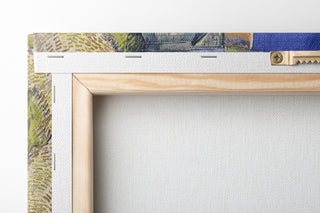
View from behind
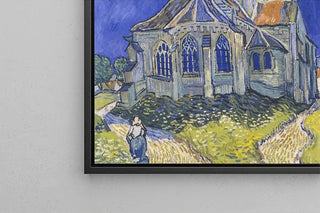
Frame (optional)
Portrait of a Man in a Tricorn - John Russell – Engaging Introduction
The "Portrait of a Man in a Tricorn" by John Russell is a work that transcends the simple frame of painting to become a true window into history. This painting, created at the end of the 18th century, embodies not only the exceptional talent of its creator but also the spirit of an era marked by social and cultural upheavals. The man in the tricorn, whose face expresses a certain nobility, invites us to explore the subtleties of costume and the nuances of human expression. Through this artwork, Russell manages to capture the very essence of his subject, while offering a reflection on the portrait as an artistic genre. The significance of this piece lies in its ability to evoke emotions and thoughts, making each gaze a journey through time.
Style and uniqueness of the work
John Russell's style is both delicate and bold. His mastery of colors and lights gives his portraits an unparalleled depth. In "Portrait of a Man in a Tricorn," warm tones and subtly worked shadows create an intimate, almost tangible atmosphere. The artist skillfully plays with textures, making the tricorn of the character almost tangible, while the face, luminous and expressive, captures the viewer's attention. This work stands out for its ability to combine realism and idealization, a delicate balance that demonstrates Russell's skill. The meticulous details, whether it be the folds of clothing or the reflections in the eyes, reveal a scrupulous attention to faithful representation of reality, while also hinting at a certain idealization of the subject. It is this duality that makes the work unique and continues to fascinate art enthusiasts.
The artist and his influence
John Russell, British painter and pastellist, is often recognized for his contribution to portrait art in the 18th century. His training with the great masters of his time, combined with his own artistic sensibility, allowed him to develop a unique style that influenced many artists. As a member of the Royal Academy, Russell established himself in the London art scene, attracting the attention of high society. His portraits, often
Painting Portrait of a Man in a Tricorn - John Russell | Art print

-10% FROM €95 IN PURCHASES
-15% FROM €195 IN PURCHASES
Regular price
- Unit price
- per
Tax included.
Free shipping
€4.90 / Free shipping on orders over €39
Satisfied or Money Back
Free returns within 30 days
10-year warranty
Our prints are guaranteed for 10 years
Any questions? We are here!
by email to contact@artemlegrand.com
THE STEPS OF YOUR ORDER

STEP 1 - ORDER PLACED
Your order has been confirmed and we are starting production
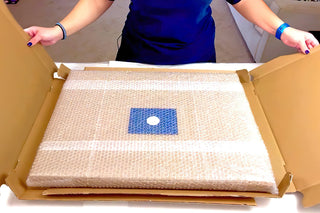
STEP 2 - SHIPPING
We ship your order. We send you an email to track the progress

STEP 3 - DELIVERY
You receive your order. You can also, according to your choice, be delivered to a relay point.
Matte finish
View from behind
Frame (optional)
Portrait of a Man in a Tricorn - John Russell – Engaging Introduction
The "Portrait of a Man in a Tricorn" by John Russell is a work that transcends the simple frame of painting to become a true window into history. This painting, created at the end of the 18th century, embodies not only the exceptional talent of its creator but also the spirit of an era marked by social and cultural upheavals. The man in the tricorn, whose face expresses a certain nobility, invites us to explore the subtleties of costume and the nuances of human expression. Through this artwork, Russell manages to capture the very essence of his subject, while offering a reflection on the portrait as an artistic genre. The significance of this piece lies in its ability to evoke emotions and thoughts, making each gaze a journey through time.
Style and uniqueness of the work
John Russell's style is both delicate and bold. His mastery of colors and lights gives his portraits an unparalleled depth. In "Portrait of a Man in a Tricorn," warm tones and subtly worked shadows create an intimate, almost tangible atmosphere. The artist skillfully plays with textures, making the tricorn of the character almost tangible, while the face, luminous and expressive, captures the viewer's attention. This work stands out for its ability to combine realism and idealization, a delicate balance that demonstrates Russell's skill. The meticulous details, whether it be the folds of clothing or the reflections in the eyes, reveal a scrupulous attention to faithful representation of reality, while also hinting at a certain idealization of the subject. It is this duality that makes the work unique and continues to fascinate art enthusiasts.
The artist and his influence
John Russell, British painter and pastellist, is often recognized for his contribution to portrait art in the 18th century. His training with the great masters of his time, combined with his own artistic sensibility, allowed him to develop a unique style that influenced many artists. As a member of the Royal Academy, Russell established himself in the London art scene, attracting the attention of high society. His portraits, often
12,34 €