
Painting Portrait of a man wearing armor - Hyacinthe Rigaud | Art print


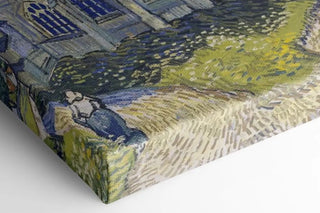
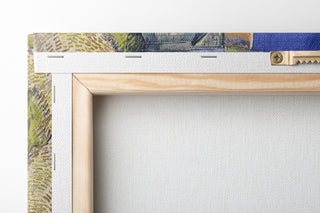
View from behind
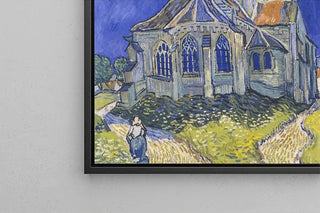
Frame (optional)
In the world of art, some works transcend their era to become timeless symbols of human greatness. The "Portrait of a Man Wearing Armor" by Hyacinthe Rigaud is a perfect example. This painting, created in the early 18th century, embodies not only the technical virtuosity of the artist but also the spirit of an era marked by refinement and elegance. Through this portrait, Rigaud manages to capture the very essence of his subject, while immersing the viewer in a universe of nobility and power. The richness of details and the depth of colors invite prolonged contemplation, revealing layers of meaning that go far beyond mere representation.
Style and uniqueness of the work
Rigaud's style is characterized by an exceptional mastery of chiaroscuro and meticulous attention to detail. In this portrait, the artist uses light to emphasize the facial features and the texture of the armor, creating an impression of depth and vitality. The majestic pose of the figure, combined with the brilliance of the depicted materials, testifies to a desire to glorify the subject while placing him in a precise historical context. The sumptuous drapery and the care given to the ornaments are further evidence of the craftsmanship of the Baroque period, where each visual element contributes to reinforcing the social status of the model. This portrait does not merely depict a man; it elevates his image to that of a hero, a leader, thus anchoring the viewer in a dynamic of respect and admiration.
The artist and his influence
Hyacinthe Rigaud, born in 1659, is one of the most renowned portraitists of his time. His work has marked the history of French art and influenced many artists across the centuries. Rigaud was able to combine impeccable technique with artistic sensitivity, allowing him to capture not only the physical appearance of his models but also their character and aura. His style was widely imitated, and he played a crucial role in the evolution of portraiture in the 17th and 18th centuries. By focusing on the psychology of the characters, Rigaud opened the way
Painting Portrait of a man wearing armor - Hyacinthe Rigaud | Art print

-10% FROM €95 IN PURCHASES
-15% FROM €195 IN PURCHASES
Regular price
- Unit price
- per
Tax included.
Free shipping
€4.90 / Free shipping on orders over €39
Satisfied or Money Back
Free returns within 30 days
10-year warranty
Our prints are guaranteed for 10 years
Any questions? We are here!
by email to contact@artemlegrand.com
THE STEPS OF YOUR ORDER
STEP 1 - ORDER PLACED
Your order has been confirmed and we are starting production
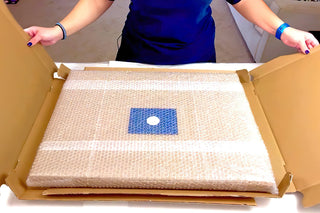
STEP 2 - SHIPPING
We ship your order. We send you an email to track the progress

STEP 3 - DELIVERY
You receive your order. You can also, according to your choice, be delivered to a relay point.
Matte finish
View from behind
Frame (optional)
In the world of art, some works transcend their era to become timeless symbols of human greatness. The "Portrait of a Man Wearing Armor" by Hyacinthe Rigaud is a perfect example. This painting, created in the early 18th century, embodies not only the technical virtuosity of the artist but also the spirit of an era marked by refinement and elegance. Through this portrait, Rigaud manages to capture the very essence of his subject, while immersing the viewer in a universe of nobility and power. The richness of details and the depth of colors invite prolonged contemplation, revealing layers of meaning that go far beyond mere representation.
Style and uniqueness of the work
Rigaud's style is characterized by an exceptional mastery of chiaroscuro and meticulous attention to detail. In this portrait, the artist uses light to emphasize the facial features and the texture of the armor, creating an impression of depth and vitality. The majestic pose of the figure, combined with the brilliance of the depicted materials, testifies to a desire to glorify the subject while placing him in a precise historical context. The sumptuous drapery and the care given to the ornaments are further evidence of the craftsmanship of the Baroque period, where each visual element contributes to reinforcing the social status of the model. This portrait does not merely depict a man; it elevates his image to that of a hero, a leader, thus anchoring the viewer in a dynamic of respect and admiration.
The artist and his influence
Hyacinthe Rigaud, born in 1659, is one of the most renowned portraitists of his time. His work has marked the history of French art and influenced many artists across the centuries. Rigaud was able to combine impeccable technique with artistic sensitivity, allowing him to capture not only the physical appearance of his models but also their character and aura. His style was widely imitated, and he played a crucial role in the evolution of portraiture in the 17th and 18th centuries. By focusing on the psychology of the characters, Rigaud opened the way
12,34 €