
Painting Portrait of a man traditionally called Claude Louis Hector Duc de Villars - Hyacinthe Rigaud


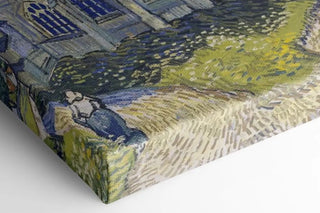
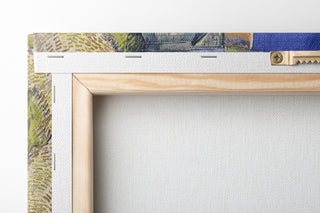
View from behind
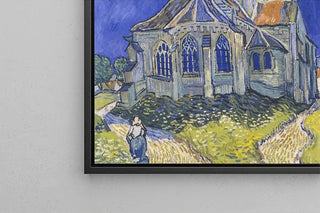
Frame (optional)
Portrait of a man traditionally called Claude Louis Hector Duc de Villars - Hyacinthe Rigaud – Captivating Introduction
The "Portrait of a man traditionally called Claude Louis Hector Duc de Villars" by Hyacinthe Rigaud is an iconic 18th-century work that exemplifies both the art of portraiture and the grandeur of French aristocracy. This painting, which captures the very essence of its subject, invites viewers to immerse themselves in a world of refinement and power. Rigaud, a master in the art of representation, succeeds in conveying not only Villars's physical appearance but also his social status and character. Through this portrait, the artist offers us a window into an era where appearance was synonymous with prestige and influence.
Style and uniqueness of the work
The piece stands out for its baroque style, characterized by a richness of detail and masterful use of light. Rigaud excels in depicting textures, whether it be the silk of the clothing or the shine of military decorations. The Duke's face is rendered with meticulous precision, each feature carefully modeled to express dignity and strength. The subject's slightly turned pose emphasizes his authority while granting a sense of intimacy. The vibrant colors and striking contrasts create a captivating visual dynamic, encouraging viewers to contemplate the painting with admiration. This art print is not limited to a simple representation; it becomes a symbol of aristocratic identity, where every element, from the background to accessories, is carefully chosen to reinforce the Duke's stature.
The artist and his influence
Hyacinthe Rigaud, born in 1659 in Perpignan, quickly established himself as one of the most sought-after portraitists of his time. His exceptional talent allowed him to make a name for himself at the court of Louis XIV, where he created portraits of emblematic figures of French aristocracy. Rigaud does not merely capture the external appearance of his subjects; he seeks to reveal their personality and essence. His influence endures beyond his era, inspiring many artists to explore portraiture as a means of artistic expression. With works that transcend the simple frame of portraiture, he establishes a link between art and society.
Painting Portrait of a man traditionally called Claude Louis Hector Duc de Villars - Hyacinthe Rigaud

-10% FROM €95 IN PURCHASES
-15% FROM €195 IN PURCHASES
Regular price
- Unit price
- per
Tax included.
Free shipping
€4.90 / Free shipping on orders over €39
Satisfied or Money Back
Free returns within 30 days
10-year warranty
Our prints are guaranteed for 10 years
Any questions? We are here!
by email to contact@artemlegrand.com
THE STEPS OF YOUR ORDER

STEP 1 - ORDER PLACED
Your order has been confirmed and we are starting production
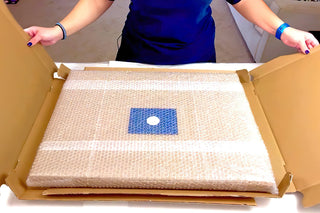
STEP 2 - SHIPPING
We ship your order. We send you an email to track the progress

STEP 3 - DELIVERY
You receive your order. You can also, according to your choice, be delivered to a relay point.
Matte finish
View from behind
Frame (optional)
Portrait of a man traditionally called Claude Louis Hector Duc de Villars - Hyacinthe Rigaud – Captivating Introduction
The "Portrait of a man traditionally called Claude Louis Hector Duc de Villars" by Hyacinthe Rigaud is an iconic 18th-century work that exemplifies both the art of portraiture and the grandeur of French aristocracy. This painting, which captures the very essence of its subject, invites viewers to immerse themselves in a world of refinement and power. Rigaud, a master in the art of representation, succeeds in conveying not only Villars's physical appearance but also his social status and character. Through this portrait, the artist offers us a window into an era where appearance was synonymous with prestige and influence.
Style and uniqueness of the work
The piece stands out for its baroque style, characterized by a richness of detail and masterful use of light. Rigaud excels in depicting textures, whether it be the silk of the clothing or the shine of military decorations. The Duke's face is rendered with meticulous precision, each feature carefully modeled to express dignity and strength. The subject's slightly turned pose emphasizes his authority while granting a sense of intimacy. The vibrant colors and striking contrasts create a captivating visual dynamic, encouraging viewers to contemplate the painting with admiration. This art print is not limited to a simple representation; it becomes a symbol of aristocratic identity, where every element, from the background to accessories, is carefully chosen to reinforce the Duke's stature.
The artist and his influence
Hyacinthe Rigaud, born in 1659 in Perpignan, quickly established himself as one of the most sought-after portraitists of his time. His exceptional talent allowed him to make a name for himself at the court of Louis XIV, where he created portraits of emblematic figures of French aristocracy. Rigaud does not merely capture the external appearance of his subjects; he seeks to reveal their personality and essence. His influence endures beyond his era, inspiring many artists to explore portraiture as a means of artistic expression. With works that transcend the simple frame of portraiture, he establishes a link between art and society.
12,34 €