
Painting Portrait of a Man - Tilly Kettle | Art print


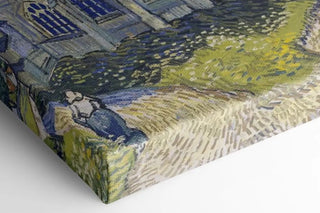
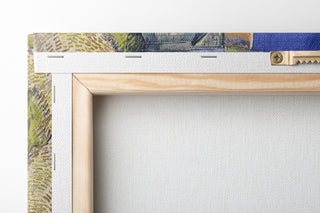
View from behind
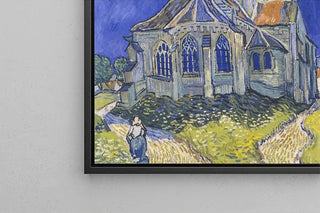
Frame (optional)
In the fascinating world of 18th-century painting, the "Portrait of a Man" by Tilly Kettle stands out for its elegance and psychological depth. This artwork, which captures the very essence of its subject, immerses us in an atmosphere filled with mystery and sophistication. Kettle, known for his ability to immortalize his models with remarkable precision, manages here to establish a dialogue between the viewer and the depicted character. By contemplating this art print, one feels an immediate connection, as if the portrait's gaze invites us to discover the hidden thoughts and underlying emotions of this man from the past.
Style and uniqueness of the work
Tilly Kettle's style is characterized by mastery of nuances and textures, which give his portraits an almost lifelike dimension. In "Portrait of a Man", the chosen color palette evokes an atmosphere that is both warm and intimate. The carefully orchestrated play of light and shadow highlights facial features, emphasizing details of the gaze and expressions. Kettle excels in depicting fabrics, drapery, and accessories, giving his subject undeniable presence. Every element of the composition is designed to enhance the visual and emotional impact of the work, creating a portrait that transcends mere physical rendering to touch the soul of the model.
The artist and his influence
Tilly Kettle, born in 1735, established himself as one of the most prominent portraitists of his time. Originally from England, he absorbed the artistic influences of his era, notably those of rococo and neoclassicism. His career took him to India, where he created numerous portraits of local dignitaries, enriching his experience and style. Kettle managed to capture not only the physical appearance of his models but also their social status and personality. His work left a mark on his contemporaries and continues to inspire many artists today, demonstrating the importance of his contribution to art history. Through his portraits, he paved the way for a new approach to human representation, focused on individuality and personal expression.
Painting Portrait of a Man - Tilly Kettle | Art print

-10% FROM €95 IN PURCHASES
-15% FROM €195 IN PURCHASES
Regular price
- Unit price
- per
Tax included.
Free shipping
€4.90 / Free shipping on orders over €39
Satisfied or Money Back
Free returns within 30 days
10-year warranty
Our prints are guaranteed for 10 years
Any questions? We are here!
by email to contact@artemlegrand.com
THE STEPS OF YOUR ORDER

STEP 1 - ORDER PLACED
Your order has been confirmed and we are starting production
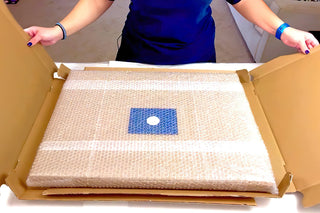
STEP 2 - SHIPPING
We ship your order. We send you an email to track the progress

STEP 3 - DELIVERY
You receive your order. You can also, according to your choice, be delivered to a relay point.
Matte finish
View from behind
Frame (optional)
In the fascinating world of 18th-century painting, the "Portrait of a Man" by Tilly Kettle stands out for its elegance and psychological depth. This artwork, which captures the very essence of its subject, immerses us in an atmosphere filled with mystery and sophistication. Kettle, known for his ability to immortalize his models with remarkable precision, manages here to establish a dialogue between the viewer and the depicted character. By contemplating this art print, one feels an immediate connection, as if the portrait's gaze invites us to discover the hidden thoughts and underlying emotions of this man from the past.
Style and uniqueness of the work
Tilly Kettle's style is characterized by mastery of nuances and textures, which give his portraits an almost lifelike dimension. In "Portrait of a Man", the chosen color palette evokes an atmosphere that is both warm and intimate. The carefully orchestrated play of light and shadow highlights facial features, emphasizing details of the gaze and expressions. Kettle excels in depicting fabrics, drapery, and accessories, giving his subject undeniable presence. Every element of the composition is designed to enhance the visual and emotional impact of the work, creating a portrait that transcends mere physical rendering to touch the soul of the model.
The artist and his influence
Tilly Kettle, born in 1735, established himself as one of the most prominent portraitists of his time. Originally from England, he absorbed the artistic influences of his era, notably those of rococo and neoclassicism. His career took him to India, where he created numerous portraits of local dignitaries, enriching his experience and style. Kettle managed to capture not only the physical appearance of his models but also their social status and personality. His work left a mark on his contemporaries and continues to inspire many artists today, demonstrating the importance of his contribution to art history. Through his portraits, he paved the way for a new approach to human representation, focused on individuality and personal expression.
12,34 €