
Painting Portrait of a Man - Miklós Barabás | Art print


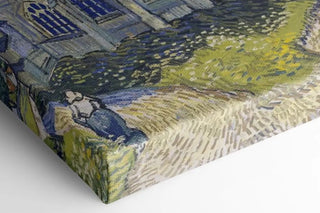
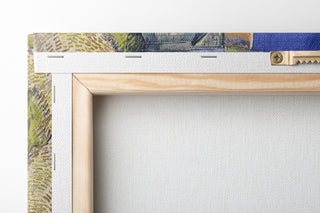
View from behind
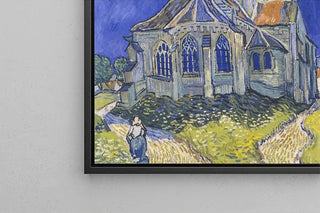
Frame (optional)
Portrait of a Man - Miklós Barabás – Captivating Introduction
Art has the power to transcend time and space, offering a penetrating insight into the souls that have shaped it. "Portrait of a Man - Miklós Barabás" is a work that embodies this essence, capturing not only the appearance of an individual but also an emotional depth that invites contemplation. Barabás, master of the portrait, succeeds in establishing an intimate connection between the viewer and the subject, making every detail meaningful. This painting, both understated and rich in nuances, evokes a universe where the personality of the model is revealed through the interplay of light and shadow, and where each brushstroke seems to whisper a forgotten story.
Style and uniqueness of the work
Miklós Barabás's style is distinguished by a realistic approach, yet imbued with romantic sensitivity. In "Portrait of a Man," the artist's technique is expressed through delicate strokes and subtly harmonized colors. The texture of the painting, both smooth and vibrant, brings the face of the model to life, while the background, often neutral, allows focus on the expression and character of the subject. The way Barabás plays with light creates an almost tangible atmosphere, where each shadow enhances the three-dimensionality of the portrait. This artwork does not merely depict a man; it evokes an inner world, a complex personality, making the piece deeply immersive and engaging.
The artist and his influence
Miklós Barabás is an emblematic figure of the 19th century, whose impact on the art world extends far beyond his personal achievements. Born in Hungary, he skillfully navigated between Western influences and local traditions, forging a unique style that marked his era. Barabás was not only a talented portraitist but also a passionate advocate for Hungarian cultural identity through his art. His works, often imbued with a nationalist sentiment, contributed to the rediscovery and valorization of his country's artistic heritage. As a teacher and mentor, he also inspired a new generation of artists, passing on the importance
Painting Portrait of a Man - Miklós Barabás | Art print

-10% FROM €95 IN PURCHASES
-15% FROM €195 IN PURCHASES
Regular price
- Unit price
- per
Tax included.
Free shipping
€4.90 / Free shipping on orders over €39
Satisfied or Money Back
Free returns within 30 days
10-year warranty
Our prints are guaranteed for 10 years
Any questions? We are here!
by email to contact@artemlegrand.com
THE STEPS OF YOUR ORDER
STEP 1 - ORDER PLACED
Your order has been confirmed and we are starting production
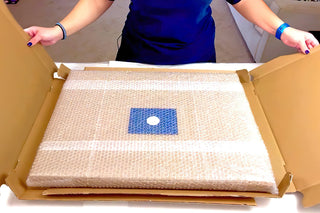
STEP 2 - SHIPPING
We ship your order. We send you an email to track the progress

STEP 3 - DELIVERY
You receive your order. You can also, according to your choice, be delivered to a relay point.
Matte finish
View from behind
Frame (optional)
Portrait of a Man - Miklós Barabás – Captivating Introduction
Art has the power to transcend time and space, offering a penetrating insight into the souls that have shaped it. "Portrait of a Man - Miklós Barabás" is a work that embodies this essence, capturing not only the appearance of an individual but also an emotional depth that invites contemplation. Barabás, master of the portrait, succeeds in establishing an intimate connection between the viewer and the subject, making every detail meaningful. This painting, both understated and rich in nuances, evokes a universe where the personality of the model is revealed through the interplay of light and shadow, and where each brushstroke seems to whisper a forgotten story.
Style and uniqueness of the work
Miklós Barabás's style is distinguished by a realistic approach, yet imbued with romantic sensitivity. In "Portrait of a Man," the artist's technique is expressed through delicate strokes and subtly harmonized colors. The texture of the painting, both smooth and vibrant, brings the face of the model to life, while the background, often neutral, allows focus on the expression and character of the subject. The way Barabás plays with light creates an almost tangible atmosphere, where each shadow enhances the three-dimensionality of the portrait. This artwork does not merely depict a man; it evokes an inner world, a complex personality, making the piece deeply immersive and engaging.
The artist and his influence
Miklós Barabás is an emblematic figure of the 19th century, whose impact on the art world extends far beyond his personal achievements. Born in Hungary, he skillfully navigated between Western influences and local traditions, forging a unique style that marked his era. Barabás was not only a talented portraitist but also a passionate advocate for Hungarian cultural identity through his art. His works, often imbued with a nationalist sentiment, contributed to the rediscovery and valorization of his country's artistic heritage. As a teacher and mentor, he also inspired a new generation of artists, passing on the importance
12,34 €