
Painting Portrait of a Man - Johannes Paulus Moreelse | Art print Source: Tableau Portrait d'un homme - Johannes Paulus Moreelse | Reproduction


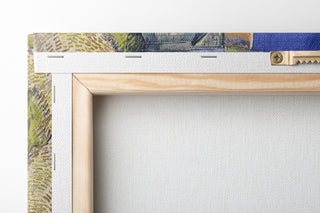
View from behind
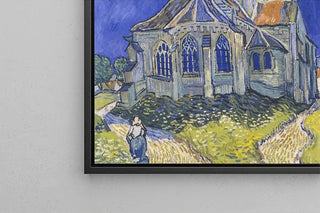
Frame (optional)
Portrait of a Man - Johannes Paulus Moreelse – Engaging Introduction
The "Portrait of a Man" by Johannes Paulus Moreelse is a work that embodies the elegance and complexity of 17th-century portraiture. This painting, which captures the eye with its striking realism and mysterious atmosphere, reveals a charismatic personality, bathed in soft light that highlights the delicate features of his face. Moreelse, a Dutch artist, masterfully captures the very essence of his model, offering a window into a time when portraiture was not only a means of artistic expression but also a reflection of social aspirations and cultural values of the era. Every detail, from the costume to the accessories, tells a story, inviting viewers to ponder the identity and status of the depicted man.
Style and uniqueness of the work
Moreelse's style is distinguished by his skill in blending realism with a touch of mystery. In the "Portrait of a Man," warm colors and subtle nuances create an intimate atmosphere that captivates the observer. The artist skillfully plays with light and shadow, emphasizing the contours of the face and clothing, which gives the piece exceptional depth. The texture of the fabrics, carefully rendered, demonstrates remarkable craftsmanship, while the details of accessories, such as jewelry or ornaments, add an extra dimension to the composition. This painting does not merely depict an individual; it evokes an atmosphere, a period, and invites reflection on the role of portraiture in 17th-century society.
The artist and his influence
Johannes Paulus Moreelse, active at The Hague court, established himself as a renowned portraitist during his career. Trained in the tradition of the great Flemish masters, he developed a distinctive style, combining influences from Northern schools with personal sensitivity. His works, often imbued with a certain melancholy, reflect a deep understanding of human psychology. By focusing on expressions and postures of his subjects, Moreelse succeeded in creating portraits that go beyond mere physical representation. His influence is evident in the work of many contemporary and later artists, who have been inspired by his mastery and approach.
Painting Portrait of a Man - Johannes Paulus Moreelse | Art print Source: Tableau Portrait d'un homme - Johannes Paulus Moreelse | Reproduction

-10% FROM €95 IN PURCHASES
-15% FROM €195 IN PURCHASES
Regular price
- Unit price
- per
Tax included.
Free shipping
€4.90 / Free shipping on orders over €39
Satisfied or Money Back
Free returns within 30 days
10-year warranty
Our prints are guaranteed for 10 years
Any questions? We are here!
by email to contact@artemlegrand.com
THE STEPS OF YOUR ORDER

STEP 1 - ORDER PLACED
Your order has been confirmed and we are starting production
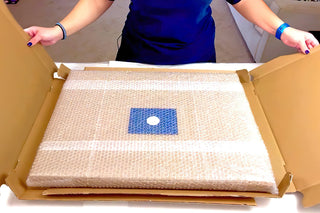
STEP 2 - SHIPPING
We ship your order. We send you an email to track the progress

STEP 3 - DELIVERY
You receive your order. You can also, according to your choice, be delivered to a relay point.
Matte finish
View from behind
Frame (optional)
Portrait of a Man - Johannes Paulus Moreelse – Engaging Introduction
The "Portrait of a Man" by Johannes Paulus Moreelse is a work that embodies the elegance and complexity of 17th-century portraiture. This painting, which captures the eye with its striking realism and mysterious atmosphere, reveals a charismatic personality, bathed in soft light that highlights the delicate features of his face. Moreelse, a Dutch artist, masterfully captures the very essence of his model, offering a window into a time when portraiture was not only a means of artistic expression but also a reflection of social aspirations and cultural values of the era. Every detail, from the costume to the accessories, tells a story, inviting viewers to ponder the identity and status of the depicted man.
Style and uniqueness of the work
Moreelse's style is distinguished by his skill in blending realism with a touch of mystery. In the "Portrait of a Man," warm colors and subtle nuances create an intimate atmosphere that captivates the observer. The artist skillfully plays with light and shadow, emphasizing the contours of the face and clothing, which gives the piece exceptional depth. The texture of the fabrics, carefully rendered, demonstrates remarkable craftsmanship, while the details of accessories, such as jewelry or ornaments, add an extra dimension to the composition. This painting does not merely depict an individual; it evokes an atmosphere, a period, and invites reflection on the role of portraiture in 17th-century society.
The artist and his influence
Johannes Paulus Moreelse, active at The Hague court, established himself as a renowned portraitist during his career. Trained in the tradition of the great Flemish masters, he developed a distinctive style, combining influences from Northern schools with personal sensitivity. His works, often imbued with a certain melancholy, reflect a deep understanding of human psychology. By focusing on expressions and postures of his subjects, Moreelse succeeded in creating portraits that go beyond mere physical representation. His influence is evident in the work of many contemporary and later artists, who have been inspired by his mastery and approach.
12,34 €