
Painting Portrait of a Man - Jean-François Millet | Art print


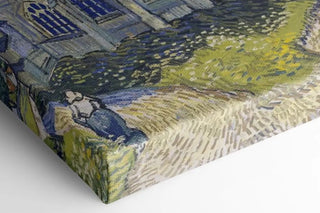
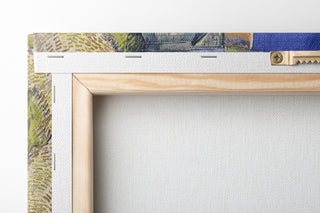
View from behind
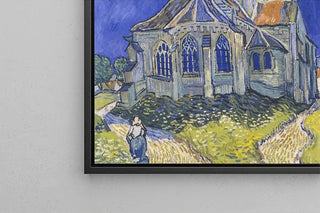
Frame (optional)
The "Portrait of a Man" by Jean-François Millet is a work that transcends the simple frame of painting to become a true mirror of the human soul. This painting, created in the mid-19th century, embodies the psychological depth and artistic sensitivity that characterize Millet's work. In this canvas, the artist manages to capture not only the physical features of the subject but also his essence, his history, and his life experience. Contemplating this portrait, one is immediately transported into a universe where every detail tells a story, where each shadow and each light reveal an emotion. The richness of this work invites reflection on identity and the human condition, making this portrait an inexhaustible subject of study.
Style and uniqueness of the work
Millet's style is marked by poignant realism, where the simplicity of forms and the depth of colors combine to create an intimate atmosphere. In the "Portrait of a Man," the artist uses earthy tones that evoke nature and fieldwork, elements dear to his heart. The texture of the painting, both soft and rough, reflects the duality of human life: beauty and hardness. Millet knows how to play with light, creating contrasts that highlight facial features while suggesting introspection. The subject's gaze, both firm and melancholic, seems to address us, as if seeking to establish a dialogue with the viewer. This ability to establish an emotional connection is what makes this work so singular and timeless.
The artist and his influence
Jean-François Millet, an emblematic figure of the realist movement, managed to establish himself as a pioneer in the representation of working classes. His commitment to peasants and land workers is evident in each of his paintings, where he seeks to give a voice to those often invisible in society. Millet influenced many artists, both of his time and subsequent generations, by paving the way for a more humane and empathetic approach to art. His work has not only contributed to redefining the portrait but also expanded the realm of social representation. The "Portrait of a Man" is emblematic
Painting Portrait of a Man - Jean-François Millet | Art print

-10% FROM €95 IN PURCHASES
-15% FROM €195 IN PURCHASES
Regular price
- Unit price
- per
Tax included.
Free shipping
€4.90 / Free shipping on orders over €39
Satisfied or Money Back
Free returns within 30 days
10-year warranty
Our prints are guaranteed for 10 years
Any questions? We are here!
by email to contact@artemlegrand.com
THE STEPS OF YOUR ORDER

STEP 1 - ORDER PLACED
Your order has been confirmed and we are starting production
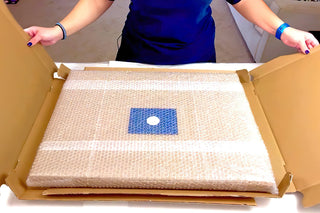
STEP 2 - SHIPPING
We ship your order. We send you an email to track the progress

STEP 3 - DELIVERY
You receive your order. You can also, according to your choice, be delivered to a relay point.
Matte finish
View from behind
Frame (optional)
The "Portrait of a Man" by Jean-François Millet is a work that transcends the simple frame of painting to become a true mirror of the human soul. This painting, created in the mid-19th century, embodies the psychological depth and artistic sensitivity that characterize Millet's work. In this canvas, the artist manages to capture not only the physical features of the subject but also his essence, his history, and his life experience. Contemplating this portrait, one is immediately transported into a universe where every detail tells a story, where each shadow and each light reveal an emotion. The richness of this work invites reflection on identity and the human condition, making this portrait an inexhaustible subject of study.
Style and uniqueness of the work
Millet's style is marked by poignant realism, where the simplicity of forms and the depth of colors combine to create an intimate atmosphere. In the "Portrait of a Man," the artist uses earthy tones that evoke nature and fieldwork, elements dear to his heart. The texture of the painting, both soft and rough, reflects the duality of human life: beauty and hardness. Millet knows how to play with light, creating contrasts that highlight facial features while suggesting introspection. The subject's gaze, both firm and melancholic, seems to address us, as if seeking to establish a dialogue with the viewer. This ability to establish an emotional connection is what makes this work so singular and timeless.
The artist and his influence
Jean-François Millet, an emblematic figure of the realist movement, managed to establish himself as a pioneer in the representation of working classes. His commitment to peasants and land workers is evident in each of his paintings, where he seeks to give a voice to those often invisible in society. Millet influenced many artists, both of his time and subsequent generations, by paving the way for a more humane and empathetic approach to art. His work has not only contributed to redefining the portrait but also expanded the realm of social representation. The "Portrait of a Man" is emblematic
12,34 €