
Painting Portrait of a Man - Jan van Assen | Art print


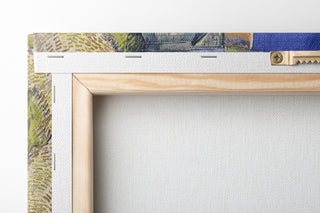
View from behind
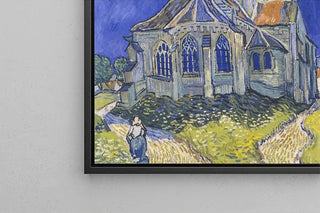
Frame (optional)
Portrait of a Man - Jan van Assen – Captivating Introduction
The "Portrait of a Man" by Jan van Assen is a work that captivates with its psychological depth and striking realism. This painting, emblematic of mastery in portraiture in the 17th century, invites viewers to delve into the intimacy of the depicted character. Every detail, from the penetrating gaze to the delicate nuances of the skin, seems to tell a story— that of a man whose identity remains shrouded in mystery. This artwork, while showcasing the artist's technical talents, transports us into a universe where emotion and contemplation meet.
Style and uniqueness of the work
Jan van Assen's style is distinguished by a meticulous approach and attention to detail. In this portrait, the interplay of light and shadow is skillfully orchestrated to emphasize the facial features, creating an atmosphere that is both lively and introspective. The chiaroscuro technique, cherished by masters of Flemish painting, is used with finesse, giving an almost sculptural dimension to the subject's face. The color palette, subtle and nuanced, evokes a sense of serenity while revealing palpable emotion. The gaze of the character, both penetrating and enigmatic, seems to question the viewer, establishing an intimate connection between the work and its observer. This ability to capture the human soul makes this portrait a key piece of the genre.
The artist and his influence
Jan van Assen, though less known than some of his contemporaries, has left an indelible mark in art history. Active during the 17th century, he is part of an artistic movement where portraiture became a privileged means of expression. His works, marked by a unique sensitivity, testify to a time when individuality began to emerge in art. Van Assen drew inspiration from the great masters of his time while developing a personal style that is entirely his own. His influence is felt not only in portrait painting but also in the way subsequent artists approach the representation of the individual. By redefining the codes of portraiture, he paved the way for a deeper exploration of human psychology.
Painting Portrait of a Man - Jan van Assen | Art print

-10% FROM €95 IN PURCHASES
-15% FROM €195 IN PURCHASES
Regular price
- Unit price
- per
Tax included.
Free shipping
€4.90 / Free shipping on orders over €39
Satisfied or Money Back
Free returns within 30 days
10-year warranty
Our prints are guaranteed for 10 years
Any questions? We are here!
by email to contact@artemlegrand.com
THE STEPS OF YOUR ORDER

STEP 1 - ORDER PLACED
Your order has been confirmed and we are starting production
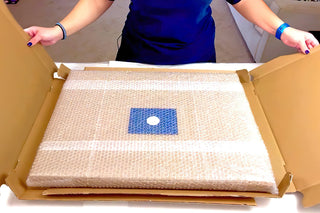
STEP 2 - SHIPPING
We ship your order. We send you an email to track the progress

STEP 3 - DELIVERY
You receive your order. You can also, according to your choice, be delivered to a relay point.
Matte finish
View from behind
Frame (optional)
Portrait of a Man - Jan van Assen – Captivating Introduction
The "Portrait of a Man" by Jan van Assen is a work that captivates with its psychological depth and striking realism. This painting, emblematic of mastery in portraiture in the 17th century, invites viewers to delve into the intimacy of the depicted character. Every detail, from the penetrating gaze to the delicate nuances of the skin, seems to tell a story— that of a man whose identity remains shrouded in mystery. This artwork, while showcasing the artist's technical talents, transports us into a universe where emotion and contemplation meet.
Style and uniqueness of the work
Jan van Assen's style is distinguished by a meticulous approach and attention to detail. In this portrait, the interplay of light and shadow is skillfully orchestrated to emphasize the facial features, creating an atmosphere that is both lively and introspective. The chiaroscuro technique, cherished by masters of Flemish painting, is used with finesse, giving an almost sculptural dimension to the subject's face. The color palette, subtle and nuanced, evokes a sense of serenity while revealing palpable emotion. The gaze of the character, both penetrating and enigmatic, seems to question the viewer, establishing an intimate connection between the work and its observer. This ability to capture the human soul makes this portrait a key piece of the genre.
The artist and his influence
Jan van Assen, though less known than some of his contemporaries, has left an indelible mark in art history. Active during the 17th century, he is part of an artistic movement where portraiture became a privileged means of expression. His works, marked by a unique sensitivity, testify to a time when individuality began to emerge in art. Van Assen drew inspiration from the great masters of his time while developing a personal style that is entirely his own. His influence is felt not only in portrait painting but also in the way subsequent artists approach the representation of the individual. By redefining the codes of portraiture, he paved the way for a deeper exploration of human psychology.
12,34 €