
Painting Portrait of a Man - Jan Anthonisz van Ravesteyn | Art print


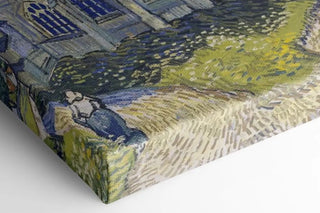
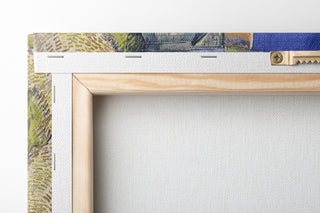
View from behind
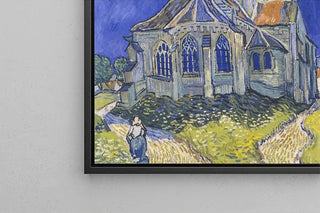
Frame (optional)
Reproduction Portrait of a Man - Jan Anthonisz van Ravesteyn – Captivating Introduction
The art print Portrait of a Man - Jan Anthonisz van Ravesteyn is part of an artistic tradition that celebrates the portrait as a means of intimate and revealing expression. This masterpiece, emblematic of 17th-century Dutch art, invites viewers to delve into the universe of a man whose identity and emotions are captured with remarkable finesse. Through meticulous details and play of light, the painting evokes not only the physical appearance of the subject but also his character and social status. This portrait, far more than a simple representation, is an open window to an era where art and society intertwine inextricably.
Style and uniqueness of the work
Jan Anthonisz van Ravesteyn's style is distinguished by its ability to combine realism and elegance. The artist masters the art of the portrait by incorporating symbolic elements that enrich the visual storytelling. In this work, every detail, from the costume to the accessories, is carefully chosen to reflect not only the subject's material wealth but also his aspirations and personality. The colors, often deep and saturated, are applied with a technique that creates an illusion of depth and texture, giving the face a striking expressiveness. The penetrating gaze of the character seems to follow the viewer, establishing a silent yet powerful dialogue. This painting embodies the spirit of an era where the portrait becomes a means of personal affirmation and immortalization.
The artist and his influence
Jan Anthonisz van Ravesteyn is a prominent figure in Dutch portraiture, whose work was influenced by the great masters of his time. Trained in a rich artistic context, he managed to establish himself through his refined technique and deep understanding of the social dynamics of his era. His portraits, often commissioned by members of the bourgeoisie, testify to a society in full transformation, where the individual begins to take center stage. Ravesteyn, through his approach, helped shape the way portraits were perceived, elevating them to the rank of full-fledged works of art. His influence endures, inspiring many contemporary artists who seek to capture the essence of the
Painting Portrait of a Man - Jan Anthonisz van Ravesteyn | Art print

-10% FROM €95 IN PURCHASES
-15% FROM €195 IN PURCHASES
Regular price
- Unit price
- per
Tax included.
Free shipping
€4.90 / Free shipping on orders over €39
Satisfied or Money Back
Free returns within 30 days
10-year warranty
Our prints are guaranteed for 10 years
Any questions? We are here!
by email to contact@artemlegrand.com
THE STEPS OF YOUR ORDER
STEP 1 - ORDER PLACED
Your order has been confirmed and we are starting production
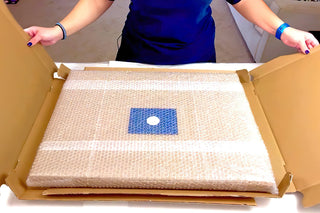
STEP 2 - SHIPPING
We ship your order. We send you an email to track the progress

STEP 3 - DELIVERY
You receive your order. You can also, according to your choice, be delivered to a relay point.
Matte finish
View from behind
Frame (optional)
Reproduction Portrait of a Man - Jan Anthonisz van Ravesteyn – Captivating Introduction
The art print Portrait of a Man - Jan Anthonisz van Ravesteyn is part of an artistic tradition that celebrates the portrait as a means of intimate and revealing expression. This masterpiece, emblematic of 17th-century Dutch art, invites viewers to delve into the universe of a man whose identity and emotions are captured with remarkable finesse. Through meticulous details and play of light, the painting evokes not only the physical appearance of the subject but also his character and social status. This portrait, far more than a simple representation, is an open window to an era where art and society intertwine inextricably.
Style and uniqueness of the work
Jan Anthonisz van Ravesteyn's style is distinguished by its ability to combine realism and elegance. The artist masters the art of the portrait by incorporating symbolic elements that enrich the visual storytelling. In this work, every detail, from the costume to the accessories, is carefully chosen to reflect not only the subject's material wealth but also his aspirations and personality. The colors, often deep and saturated, are applied with a technique that creates an illusion of depth and texture, giving the face a striking expressiveness. The penetrating gaze of the character seems to follow the viewer, establishing a silent yet powerful dialogue. This painting embodies the spirit of an era where the portrait becomes a means of personal affirmation and immortalization.
The artist and his influence
Jan Anthonisz van Ravesteyn is a prominent figure in Dutch portraiture, whose work was influenced by the great masters of his time. Trained in a rich artistic context, he managed to establish himself through his refined technique and deep understanding of the social dynamics of his era. His portraits, often commissioned by members of the bourgeoisie, testify to a society in full transformation, where the individual begins to take center stage. Ravesteyn, through his approach, helped shape the way portraits were perceived, elevating them to the rank of full-fledged works of art. His influence endures, inspiring many contemporary artists who seek to capture the essence of the
12,34 €