
Painting Portrait of a Man - Herman Verelst | Art print


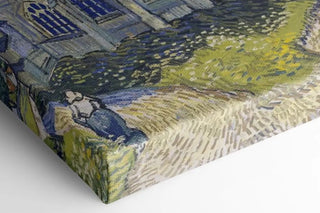
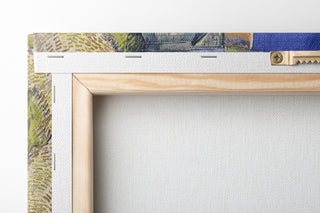
View from behind
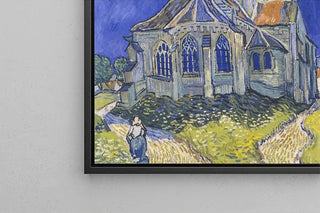
Frame (optional)
Portrait of a Man - Herman Verelst – Captivating Introduction
The "Portrait of a Man" by Herman Verelst is a work that captivates the eye and the mind. This painting, emblematic of 17th-century Dutch painting, displays a richness of detail and psychological depth that invite contemplation. By examining this portrait, one discovers not only the features of an individual but also an era, a culture, and an artistic vision that transcend the simple act of painting. The light, shadows, and colors combine to create an atmosphere that is both intimate and universal, where each element seems charged with meaning. This portrait is much more than a representation: it is an open window to the past, an invitation to explore the subtleties of the human being.
Style and uniqueness of the work
Verelst's style is distinguished by his ability to blend realism and expressiveness. In "Portrait of a Man," each brushstroke is carefully considered, revealing impressive technical mastery. The subject's face, with finely chiseled features, expresses a range of emotions that go beyond mere appearance. The nuances of color and the texture of the clothing are rendered with such precision that they seem almost tangible. This portrait does not merely depict a man; it captures the very essence of his character, status, and personality. The composition, marked by a harmonious balance between the subject and the surrounding space, reinforces this sense of depth. Verelst succeeds in establishing a dialogue between the viewer and the portrait, making this work timeless and always relevant.
The artist and his influence
Herman Verelst, active during the Dutch Golden Age, established himself as a renowned portraitist. His technique, influenced by earlier masters such as Rembrandt, allowed him to develop a unique style that combines finesse and vigor. Verelst not only left his mark in the field of portraiture but also contributed to the evolution of painting in his time. His works demonstrate a particular attention to detail and a deep understanding of light, elements that have inspired many artists thereafter. By examining his work, one better understands how art can serve as a mirror to society,
Painting Portrait of a Man - Herman Verelst | Art print

-10% FROM €95 IN PURCHASES
-15% FROM €195 IN PURCHASES
Regular price
- Unit price
- per
Tax included.
Free shipping
€4.90 / Free shipping on orders over €39
Satisfied or Money Back
Free returns within 30 days
10-year warranty
Our prints are guaranteed for 10 years
Any questions? We are here!
by email to contact@artemlegrand.com
THE STEPS OF YOUR ORDER

STEP 1 - ORDER PLACED
Your order has been confirmed and we are starting production
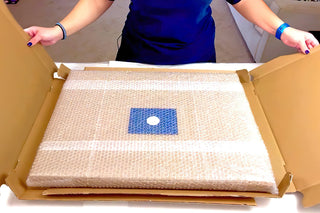
STEP 2 - SHIPPING
We ship your order. We send you an email to track the progress

STEP 3 - DELIVERY
You receive your order. You can also, according to your choice, be delivered to a relay point.
Matte finish
View from behind
Frame (optional)
Portrait of a Man - Herman Verelst – Captivating Introduction
The "Portrait of a Man" by Herman Verelst is a work that captivates the eye and the mind. This painting, emblematic of 17th-century Dutch painting, displays a richness of detail and psychological depth that invite contemplation. By examining this portrait, one discovers not only the features of an individual but also an era, a culture, and an artistic vision that transcend the simple act of painting. The light, shadows, and colors combine to create an atmosphere that is both intimate and universal, where each element seems charged with meaning. This portrait is much more than a representation: it is an open window to the past, an invitation to explore the subtleties of the human being.
Style and uniqueness of the work
Verelst's style is distinguished by his ability to blend realism and expressiveness. In "Portrait of a Man," each brushstroke is carefully considered, revealing impressive technical mastery. The subject's face, with finely chiseled features, expresses a range of emotions that go beyond mere appearance. The nuances of color and the texture of the clothing are rendered with such precision that they seem almost tangible. This portrait does not merely depict a man; it captures the very essence of his character, status, and personality. The composition, marked by a harmonious balance between the subject and the surrounding space, reinforces this sense of depth. Verelst succeeds in establishing a dialogue between the viewer and the portrait, making this work timeless and always relevant.
The artist and his influence
Herman Verelst, active during the Dutch Golden Age, established himself as a renowned portraitist. His technique, influenced by earlier masters such as Rembrandt, allowed him to develop a unique style that combines finesse and vigor. Verelst not only left his mark in the field of portraiture but also contributed to the evolution of painting in his time. His works demonstrate a particular attention to detail and a deep understanding of light, elements that have inspired many artists thereafter. By examining his work, one better understands how art can serve as a mirror to society,
12,34 €