
Painting Portrait of a Man - Giovanni Battista Moroni | Art print


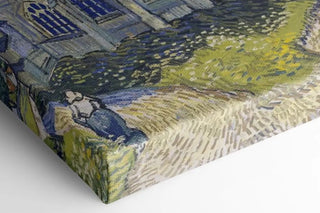
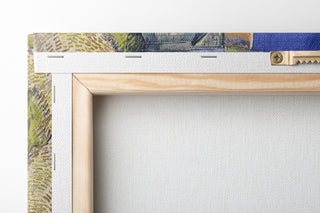
View from behind
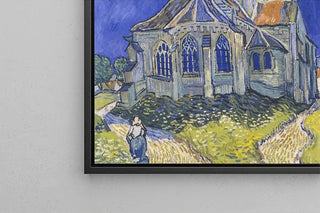
Frame (optional)
Portrait of a man - Giovanni Battista Moroni – Captivating introduction
The "Portrait of a man" by Giovanni Battista Moroni is an iconic work of the Italian Renaissance, capturing the essence of a time when portraiture became a powerful means of individual expression. This painting, which evokes the psychological depth and humanity of its subject, immerses us in a universe where every detail matters. Moroni, with his unparalleled mastery of light and texture, manages to bring his model to life, transforming a simple representation into a visual and emotional experience. This portrait is not limited to a mere face; it tells a story, that of a man whose identity, aspirations, and emotions are skillfully revealed through his penetrating gaze and careful posture.
Style and uniqueness of the work
Moroni's style is distinguished by its striking realism and its ability to capture the personality of his subjects. In the "Portrait of a man," every element, from clothing to accessories, is carefully chosen to reflect not only the social status of the individual but also his character. The nuances of color, the play of shadow and light, as well as the meticulous details of the face contribute to creating an intimate atmosphere. Moroni uses the sfumato technique, allowing a smooth transition between tones, which enhances the impression of depth and volume. This portrait, far from being a simple image, is an open window to the human soul, inviting the viewer to ponder the thoughts and feelings of the depicted character.
The artist and his influence
Giovanni Battista Moroni, active in the 16th century, is often regarded as one of the greatest portraitists of his time. Originating from Bergamo, he managed to establish himself in the Italian artistic scene thanks to his innovative approach to portraiture. Unlike other Renaissance artists who favored idealized representations, Moroni opted for a more realistic approach, highlighting the uniqueness of each individual. His influence extends beyond his era, inspiring many subsequent artists who sought to capture the human essence in their works. The way he handles light and detail has left a lasting imprint on the art of portraiture, testifying to his creative genius and understanding.
Painting Portrait of a Man - Giovanni Battista Moroni | Art print

-10% FROM €95 IN PURCHASES
-15% FROM €195 IN PURCHASES
Regular price
- Unit price
- per
Tax included.
Free shipping
€4.90 / Free shipping on orders over €39
Satisfied or Money Back
Free returns within 30 days
10-year warranty
Our prints are guaranteed for 10 years
Any questions? We are here!
by email to contact@artemlegrand.com
THE STEPS OF YOUR ORDER

STEP 1 - ORDER PLACED
Your order has been confirmed and we are starting production
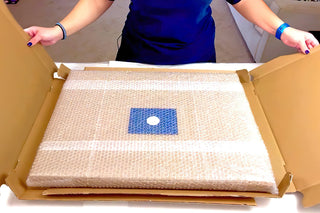
STEP 2 - SHIPPING
We ship your order. We send you an email to track the progress

STEP 3 - DELIVERY
You receive your order. You can also, according to your choice, be delivered to a relay point.
Matte finish
View from behind
Frame (optional)
Portrait of a man - Giovanni Battista Moroni – Captivating introduction
The "Portrait of a man" by Giovanni Battista Moroni is an iconic work of the Italian Renaissance, capturing the essence of a time when portraiture became a powerful means of individual expression. This painting, which evokes the psychological depth and humanity of its subject, immerses us in a universe where every detail matters. Moroni, with his unparalleled mastery of light and texture, manages to bring his model to life, transforming a simple representation into a visual and emotional experience. This portrait is not limited to a mere face; it tells a story, that of a man whose identity, aspirations, and emotions are skillfully revealed through his penetrating gaze and careful posture.
Style and uniqueness of the work
Moroni's style is distinguished by its striking realism and its ability to capture the personality of his subjects. In the "Portrait of a man," every element, from clothing to accessories, is carefully chosen to reflect not only the social status of the individual but also his character. The nuances of color, the play of shadow and light, as well as the meticulous details of the face contribute to creating an intimate atmosphere. Moroni uses the sfumato technique, allowing a smooth transition between tones, which enhances the impression of depth and volume. This portrait, far from being a simple image, is an open window to the human soul, inviting the viewer to ponder the thoughts and feelings of the depicted character.
The artist and his influence
Giovanni Battista Moroni, active in the 16th century, is often regarded as one of the greatest portraitists of his time. Originating from Bergamo, he managed to establish himself in the Italian artistic scene thanks to his innovative approach to portraiture. Unlike other Renaissance artists who favored idealized representations, Moroni opted for a more realistic approach, highlighting the uniqueness of each individual. His influence extends beyond his era, inspiring many subsequent artists who sought to capture the human essence in their works. The way he handles light and detail has left a lasting imprint on the art of portraiture, testifying to his creative genius and understanding.
12,34 €