
Painting Portrait of a man at a window - Job Adriaensz. Berckheyde | Art print


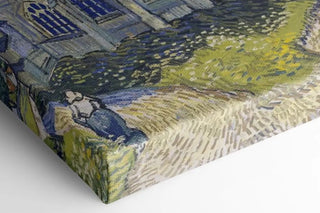
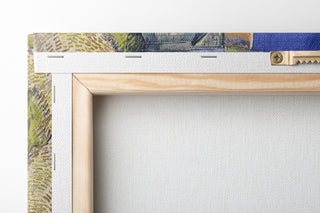
View from behind
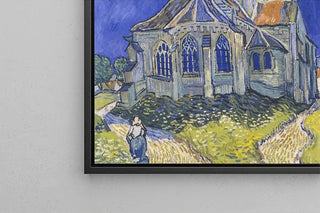
Frame (optional)
Portrait of a Man at a Window - Job Adriaensz. Berckheyde – Captivating Introduction
The "Portrait of a Man at a Window" by Job Adriaensz. Berckheyde is a work that transcends the simple frame of a portrait to offer an immersion into the intimacy of a frozen moment. This painting, emblematic of 17th-century Dutch art, captures not only the physical appearance of its subject but also an atmosphere charged with emotion and mystery. The depicted man, whose gaze seems to drift beyond the frame, evokes a sense of contemplation, inviting the viewer to ponder his thoughts and aspirations. The soft light filtering through the window suggests a connection between the interior and exterior, a passage between two worlds that enriches the visual storytelling of the piece.
Style and uniqueness of the work
Berckheyde's style is distinguished by its ability to combine meticulous realism with poetic atmosphere. In this artwork, every detail is carefully rendered, from the folds of the clothing to the reflections of light on the skin. The choice of the window as the central element of the painting reveals the artist's technique, which skillfully plays with shadows and lights to create striking depth. The color palette, dominated by warm and natural tones, reinforces this impression of truth and authenticity. The composition, although classical, stands out through its originality, offering a new perspective on the traditional portrait. This painting thus embodies the very essence of baroque art, where emotion and technique meet to bring a scene rich in meaning to life.
The artist and his influence
Job Adriaensz. Berckheyde, born in 1630 in Haarlem, is often regarded as one of the masters of Dutch portraiture. His work is characterized by a particular attention to detail and an in-depth understanding of light, which he uses to create unique atmospheres. Berckheyde was influenced by his contemporaries, but he developed a style that is uniquely his own, blending the intimacy of portraits with an almost photographic approach to reality. His ability to capture the essence of his subjects, both in their appearance and state of mind, marked a generation of
Painting Portrait of a man at a window - Job Adriaensz. Berckheyde | Art print

-10% FROM €95 IN PURCHASES
-15% FROM €195 IN PURCHASES
Regular price
- Unit price
- per
Tax included.
Free shipping
€4.90 / Free shipping on orders over €39
Satisfied or Money Back
Free returns within 30 days
10-year warranty
Our prints are guaranteed for 10 years
Any questions? We are here!
by email to contact@artemlegrand.com
THE STEPS OF YOUR ORDER

STEP 1 - ORDER PLACED
Your order has been confirmed and we are starting production
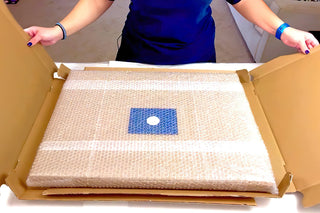
STEP 2 - SHIPPING
We ship your order. We send you an email to track the progress

STEP 3 - DELIVERY
You receive your order. You can also, according to your choice, be delivered to a relay point.
Matte finish
View from behind
Frame (optional)
Portrait of a Man at a Window - Job Adriaensz. Berckheyde – Captivating Introduction
The "Portrait of a Man at a Window" by Job Adriaensz. Berckheyde is a work that transcends the simple frame of a portrait to offer an immersion into the intimacy of a frozen moment. This painting, emblematic of 17th-century Dutch art, captures not only the physical appearance of its subject but also an atmosphere charged with emotion and mystery. The depicted man, whose gaze seems to drift beyond the frame, evokes a sense of contemplation, inviting the viewer to ponder his thoughts and aspirations. The soft light filtering through the window suggests a connection between the interior and exterior, a passage between two worlds that enriches the visual storytelling of the piece.
Style and uniqueness of the work
Berckheyde's style is distinguished by its ability to combine meticulous realism with poetic atmosphere. In this artwork, every detail is carefully rendered, from the folds of the clothing to the reflections of light on the skin. The choice of the window as the central element of the painting reveals the artist's technique, which skillfully plays with shadows and lights to create striking depth. The color palette, dominated by warm and natural tones, reinforces this impression of truth and authenticity. The composition, although classical, stands out through its originality, offering a new perspective on the traditional portrait. This painting thus embodies the very essence of baroque art, where emotion and technique meet to bring a scene rich in meaning to life.
The artist and his influence
Job Adriaensz. Berckheyde, born in 1630 in Haarlem, is often regarded as one of the masters of Dutch portraiture. His work is characterized by a particular attention to detail and an in-depth understanding of light, which he uses to create unique atmospheres. Berckheyde was influenced by his contemporaries, but he developed a style that is uniquely his own, blending the intimacy of portraits with an almost photographic approach to reality. His ability to capture the essence of his subjects, both in their appearance and state of mind, marked a generation of
12,34 €