
Painting Portrait of a Gentleman in Armor - William Anstey Dolland | Art print


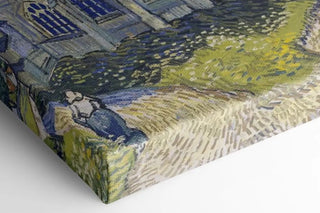
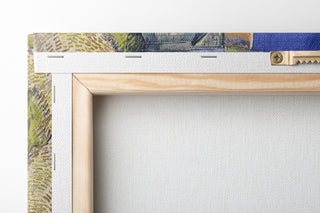
View from behind
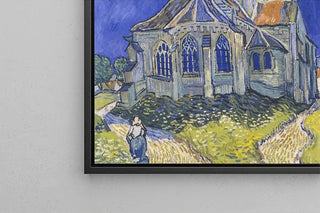
Frame (optional)
Portrait of a Gentleman in Armor - William Anstey Dolland – Captivating Introduction
In the vast panorama of 17th-century art, certain works stand out for their ability to capture the essence of an era while offering an introspective look at the subject depicted. The "Portrait of a Gentleman in Armor" by William Anstey Dolland embodies this duality, blending the grandeur of nobility with palpable intimacy. This painting, which evokes power and dignity, immerses us in a universe where every detail, from the reflections in the armor to the facial expressions, tells a fascinating story. By contemplating this art print, one is immediately transported into the world of 17th-century gentlemen, a world where honor and prestige mingled with more personal and human concerns.
Style and uniqueness of the work
Dolland's style is characterized by an exceptional mastery of chiaroscuro, a technique that plays on contrasts between light and shadow. In this portrait, the light gently caresses the gentleman's features, highlighting the texture of the armor and the refined details of his attire. The colors, though subdued, are rich and reveal the psychological depth of the character. Every element, from the face to the ornaments, is treated with meticulous care, demonstrating a desire to render not only the external appearance but also the soul of the sitter. The posture of the gentleman, both proud and approachable, invites the viewer to question his identity and story, making this work a true dialogue between the past and the present.
The artist and his influence
William Anstey Dolland, an artist less known than some of his contemporaries, nonetheless left his mark on his era through his unique approach to portraiture. Trained in the tradition of the great masters, he developed a personal style that combines technical rigor with artistic sensitivity. Influenced by Flemish and Italian traditions, Dolland was able to incorporate elements from these schools while remaining faithful to his vision. His work inspired many artists, who saw in him a model of finesse and depth. Through his portraits, he not only contributed to the valorization of the individual in art but also paved the way for a
Painting Portrait of a Gentleman in Armor - William Anstey Dolland | Art print

-10% FROM €95 IN PURCHASES
-15% FROM €195 IN PURCHASES
Regular price
- Unit price
- per
Tax included.
Free shipping
€4.90 / Free shipping on orders over €39
Satisfied or Money Back
Free returns within 30 days
10-year warranty
Our prints are guaranteed for 10 years
Any questions? We are here!
by email to contact@artemlegrand.com
THE STEPS OF YOUR ORDER

STEP 1 - ORDER PLACED
Your order has been confirmed and we are starting production
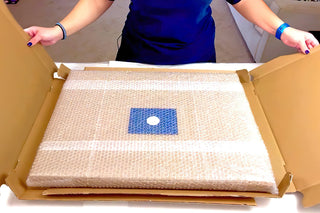
STEP 2 - SHIPPING
We ship your order. We send you an email to track the progress

STEP 3 - DELIVERY
You receive your order. You can also, according to your choice, be delivered to a relay point.
Matte finish
View from behind
Frame (optional)
Portrait of a Gentleman in Armor - William Anstey Dolland – Captivating Introduction
In the vast panorama of 17th-century art, certain works stand out for their ability to capture the essence of an era while offering an introspective look at the subject depicted. The "Portrait of a Gentleman in Armor" by William Anstey Dolland embodies this duality, blending the grandeur of nobility with palpable intimacy. This painting, which evokes power and dignity, immerses us in a universe where every detail, from the reflections in the armor to the facial expressions, tells a fascinating story. By contemplating this art print, one is immediately transported into the world of 17th-century gentlemen, a world where honor and prestige mingled with more personal and human concerns.
Style and uniqueness of the work
Dolland's style is characterized by an exceptional mastery of chiaroscuro, a technique that plays on contrasts between light and shadow. In this portrait, the light gently caresses the gentleman's features, highlighting the texture of the armor and the refined details of his attire. The colors, though subdued, are rich and reveal the psychological depth of the character. Every element, from the face to the ornaments, is treated with meticulous care, demonstrating a desire to render not only the external appearance but also the soul of the sitter. The posture of the gentleman, both proud and approachable, invites the viewer to question his identity and story, making this work a true dialogue between the past and the present.
The artist and his influence
William Anstey Dolland, an artist less known than some of his contemporaries, nonetheless left his mark on his era through his unique approach to portraiture. Trained in the tradition of the great masters, he developed a personal style that combines technical rigor with artistic sensitivity. Influenced by Flemish and Italian traditions, Dolland was able to incorporate elements from these schools while remaining faithful to his vision. His work inspired many artists, who saw in him a model of finesse and depth. Through his portraits, he not only contributed to the valorization of the individual in art but also paved the way for a
12,34 €