
Portrait of a gentleman known as Jacques II Marquis de Castelnau 1620-1658 - French School | Art print


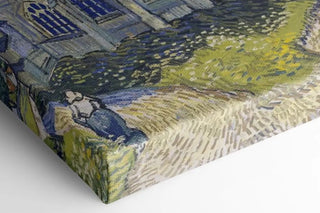
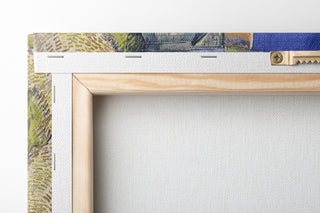
View from behind
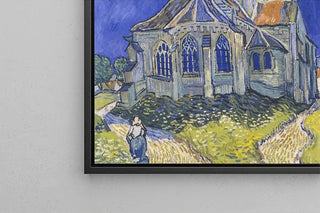
Frame (optional)
Portrait of a Gentleman Known as Jacques II Marquis de Castelnau 1620-1658 - French School – Captivating Introduction
In the vibrant universe of 17th-century French art, the "Portrait of a Gentleman Known as Jacques II Marquis de Castelnau" stands out for its elegance and psychological depth. This artwork, created between 1620 and 1658, embodies not only the aesthetic values of its time but also the complexity of social and political relations that traverse it. The artist, whose name remains in the shadows, manages to capture the very essence of his model, a noble whose stature and charisma are sublimated by pictorial technique. Every detail, every nuance of color, evokes an era when the portrait was not merely a reflection of reality but also a means of conveying power and prestige.
Style and uniqueness of the work
The style of this portrait is emblematic of the French School, blending realism and idealization. The artist uses rich colors and play of light to highlight the marquis's face, whose intense gaze seems to pierce the viewer. The composition is carefully balanced, with each element serving to reinforce the imposing presence of the gentleman. The drapery, painted with undeniable mastery, adds a tactile dimension to the work, while the details of accessories, such as jewelry and ornaments, testify to exceptional craftsmanship. This portrait does not merely depict a man; it tells a story, that of an aristocrat in full possession of his means, aware of his role in a society in full transformation.
The artist and his influence
Although the precise identity of the artist remains uncertain, it is clear that his work is part of a rich and dynamic artistic context. The French 17th century is marked by figures such as Philippe de Champaigne and Nicolas Poussin, who redefined the codes of portraiture. The influence of these masters is felt in the way this portrait combines realism and idealization, paying homage to nobility while giving it an almost timeless dimension. Oil painting techniques, nuances of light and shadow, as well as attention to detail, reveal a mastery that cannot
Portrait of a gentleman known as Jacques II Marquis de Castelnau 1620-1658 - French School | Art print

-10% FROM €95 IN PURCHASES
-15% FROM €195 IN PURCHASES
Regular price
- Unit price
- per
Free shipping
€4.90 / Free shipping on orders over €39
Satisfied or Money Back
Free returns within 30 days
10-year warranty
Our prints are guaranteed for 10 years
Any questions? We are here!
by email to contact@artemlegrand.com
THE STEPS OF YOUR ORDER

STEP 1 - ORDER PLACED
Your order has been confirmed and we are starting production
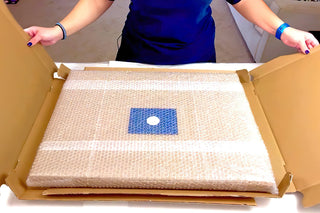
STEP 2 - SHIPPING
We ship your order. We send you an email to track the progress

STEP 3 - DELIVERY
You receive your order. You can also, according to your choice, be delivered to a relay point.
Matte finish
View from behind
Frame (optional)
Portrait of a Gentleman Known as Jacques II Marquis de Castelnau 1620-1658 - French School – Captivating Introduction
In the vibrant universe of 17th-century French art, the "Portrait of a Gentleman Known as Jacques II Marquis de Castelnau" stands out for its elegance and psychological depth. This artwork, created between 1620 and 1658, embodies not only the aesthetic values of its time but also the complexity of social and political relations that traverse it. The artist, whose name remains in the shadows, manages to capture the very essence of his model, a noble whose stature and charisma are sublimated by pictorial technique. Every detail, every nuance of color, evokes an era when the portrait was not merely a reflection of reality but also a means of conveying power and prestige.
Style and uniqueness of the work
The style of this portrait is emblematic of the French School, blending realism and idealization. The artist uses rich colors and play of light to highlight the marquis's face, whose intense gaze seems to pierce the viewer. The composition is carefully balanced, with each element serving to reinforce the imposing presence of the gentleman. The drapery, painted with undeniable mastery, adds a tactile dimension to the work, while the details of accessories, such as jewelry and ornaments, testify to exceptional craftsmanship. This portrait does not merely depict a man; it tells a story, that of an aristocrat in full possession of his means, aware of his role in a society in full transformation.
The artist and his influence
Although the precise identity of the artist remains uncertain, it is clear that his work is part of a rich and dynamic artistic context. The French 17th century is marked by figures such as Philippe de Champaigne and Nicolas Poussin, who redefined the codes of portraiture. The influence of these masters is felt in the way this portrait combines realism and idealization, paying homage to nobility while giving it an almost timeless dimension. Oil painting techniques, nuances of light and shadow, as well as attention to detail, reveal a mastery that cannot