
Painting Portrait of a donor - Giovanni Battista Moroni | Art print


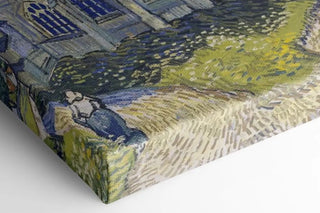
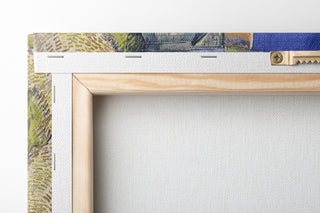
View from behind
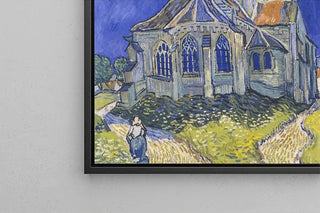
Frame (optional)
Portrait of a donor - Giovanni Battista Moroni – Captivating introduction
The "Portrait of a donor" by Giovanni Battista Moroni is an iconic work that evokes not only the art of the Italian Renaissance but also the subtleties of human psychology. Created in the 16th century, this painting is not limited to a simple representation of an individual but immerses us in the intimacy of a time when the portrait became a means of social and personal assertion. Far from being a mere exercise in style, this work embodies the concerns of an era where identity and social status are reflected through painting. Moroni, with his unparalleled talent, manages to capture the depth of the human soul, making each gaze and gesture imbued with profound meaning.
Style and uniqueness of the work
Moroni's style is distinguished by meticulous attention to detail and an unmatched mastery of textures. In the "Portrait of a donor," the drapery of the character's clothing is rendered with such precision that it almost feels tangible. The carefully orchestrated light plays on surfaces, revealing nuances of color and shadow. Every element, from the penetrating gaze of the donor to the delicacy of the hands, is carefully studied to create an atmosphere of dignity and power. Moroni does not merely paint a face; he captures the very essence of the individual, their aspirations, and feelings. This psychological realism, combined with harmonious composition, makes this work an essential reference in art history.
The artist and his influence
Giovanni Battista Moroni, often regarded as one of the greatest portraitists of his time, succeeded in establishing himself through his innovative approach to portraiture. Born in Lombardy, he was influenced by the great masters of the Renaissance while developing a style that is uniquely his own. His work is characterized by a realistic and sincere depiction of subjects, far from the classical ideals of beauty. Moroni was able to capture the soul of his models, endowing them with palpable humanity. His influence extends beyond his era, inspiring generations of artists who sought to combine technique and emotion in their works. The way he handles light and the
Painting Portrait of a donor - Giovanni Battista Moroni | Art print

-10% FROM €95 IN PURCHASES
-15% FROM €195 IN PURCHASES
Regular price
- Unit price
- per
Tax included.
Free shipping
€4.90 / Free shipping on orders over €39
Satisfied or Money Back
Free returns within 30 days
10-year warranty
Our prints are guaranteed for 10 years
Any questions? We are here!
by email to contact@artemlegrand.com
THE STEPS OF YOUR ORDER

STEP 1 - ORDER PLACED
Your order has been confirmed and we are starting production
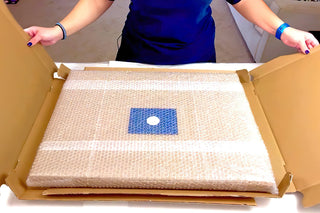
STEP 2 - SHIPPING
We ship your order. We send you an email to track the progress

STEP 3 - DELIVERY
You receive your order. You can also, according to your choice, be delivered to a relay point.
Matte finish
View from behind
Frame (optional)
Portrait of a donor - Giovanni Battista Moroni – Captivating introduction
The "Portrait of a donor" by Giovanni Battista Moroni is an iconic work that evokes not only the art of the Italian Renaissance but also the subtleties of human psychology. Created in the 16th century, this painting is not limited to a simple representation of an individual but immerses us in the intimacy of a time when the portrait became a means of social and personal assertion. Far from being a mere exercise in style, this work embodies the concerns of an era where identity and social status are reflected through painting. Moroni, with his unparalleled talent, manages to capture the depth of the human soul, making each gaze and gesture imbued with profound meaning.
Style and uniqueness of the work
Moroni's style is distinguished by meticulous attention to detail and an unmatched mastery of textures. In the "Portrait of a donor," the drapery of the character's clothing is rendered with such precision that it almost feels tangible. The carefully orchestrated light plays on surfaces, revealing nuances of color and shadow. Every element, from the penetrating gaze of the donor to the delicacy of the hands, is carefully studied to create an atmosphere of dignity and power. Moroni does not merely paint a face; he captures the very essence of the individual, their aspirations, and feelings. This psychological realism, combined with harmonious composition, makes this work an essential reference in art history.
The artist and his influence
Giovanni Battista Moroni, often regarded as one of the greatest portraitists of his time, succeeded in establishing himself through his innovative approach to portraiture. Born in Lombardy, he was influenced by the great masters of the Renaissance while developing a style that is uniquely his own. His work is characterized by a realistic and sincere depiction of subjects, far from the classical ideals of beauty. Moroni was able to capture the soul of his models, endowing them with palpable humanity. His influence extends beyond his era, inspiring generations of artists who sought to combine technique and emotion in their works. The way he handles light and the
12,34 €