
Portrait of a Carabinier Officer - Henri-Pierre Danloux | Art print


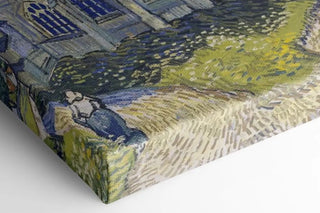
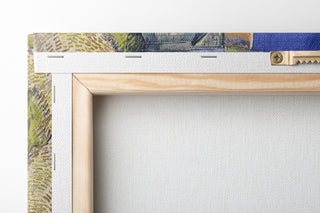
View from behind
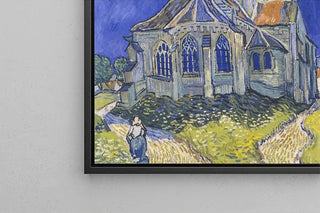
Frame (optional)
In the fascinating world of art, some works manage to capture not only the image of an individual but also the essence of an era. The "Portrait of a Carabinier Officer" by Henri-Pierre Danloux is one of those creations that transcend the simple frame of painting. Created at the end of the 18th century, this piece does more than depict a man in uniform; it tells a story, that of a country in full transformation, where art and war coexist. The finesse of the details and the depth of emotions conveyed by this art print invite the viewer to immerse themselves in a universe where every brushstroke seems to whisper secrets of the past.
Style and uniqueness of the work
Danloux's style is characterized by timeless elegance, a blend of classicism and romanticism that brings his subjects to life. In this art print, the carabinier officer is depicted with remarkable precision, each element of his uniform carefully detailed. The chosen colors, both vivid and nuanced, evoke a certain nobility, while light plays a crucial role in highlighting facial features. The officer's gaze, both proud and contemplative, captures attention and seems to defy time. The composition, balanced and harmonious, demonstrates technical mastery that makes this piece an emblematic example of 18th-century military portraiture. Danloux succeeds in combining military splendor with human sensitivity, rendering his subject both accessible and majestic.
The artist and his influence
Henri-Pierre Danloux, born in 1753, was a painter whose career was marked by a constant search for harmony between the subject and the historical context. Trained at the Royal Academy of Painting and Sculpture, he established himself as a preferred portraitist among the elites of his time. His artistic approach, blending academic rigor with personal sensitivity, allowed him to create works that still resonate today. Danloux was also influenced by the political and social upheavals of his era, which is reflected in
Portrait of a Carabinier Officer - Henri-Pierre Danloux | Art print

-10% FROM €95 IN PURCHASES
-15% FROM €195 IN PURCHASES
Regular price
- Unit price
- per
Tax included.
Free shipping
€4.90 / Free shipping on orders over €39
Satisfied or Money Back
Free returns within 30 days
10-year warranty
Our prints are guaranteed for 10 years
Any questions? We are here!
by email to contact@artemlegrand.com
THE STEPS OF YOUR ORDER
STEP 1 - ORDER PLACED
Your order has been confirmed and we are starting production
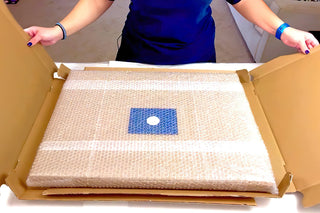
STEP 2 - SHIPPING
We ship your order. We send you an email to track the progress

STEP 3 - DELIVERY
You receive your order. You can also, according to your choice, be delivered to a relay point.
Matte finish
View from behind
Frame (optional)
In the fascinating world of art, some works manage to capture not only the image of an individual but also the essence of an era. The "Portrait of a Carabinier Officer" by Henri-Pierre Danloux is one of those creations that transcend the simple frame of painting. Created at the end of the 18th century, this piece does more than depict a man in uniform; it tells a story, that of a country in full transformation, where art and war coexist. The finesse of the details and the depth of emotions conveyed by this art print invite the viewer to immerse themselves in a universe where every brushstroke seems to whisper secrets of the past.
Style and uniqueness of the work
Danloux's style is characterized by timeless elegance, a blend of classicism and romanticism that brings his subjects to life. In this art print, the carabinier officer is depicted with remarkable precision, each element of his uniform carefully detailed. The chosen colors, both vivid and nuanced, evoke a certain nobility, while light plays a crucial role in highlighting facial features. The officer's gaze, both proud and contemplative, captures attention and seems to defy time. The composition, balanced and harmonious, demonstrates technical mastery that makes this piece an emblematic example of 18th-century military portraiture. Danloux succeeds in combining military splendor with human sensitivity, rendering his subject both accessible and majestic.
The artist and his influence
Henri-Pierre Danloux, born in 1753, was a painter whose career was marked by a constant search for harmony between the subject and the historical context. Trained at the Royal Academy of Painting and Sculpture, he established himself as a preferred portraitist among the elites of his time. His artistic approach, blending academic rigor with personal sensitivity, allowed him to create works that still resonate today. Danloux was also influenced by the political and social upheavals of his era, which is reflected in
12,34 €