
Painting Portrait of a Boy (Conflict of Cases) - Isidor Kaufmann | Art print


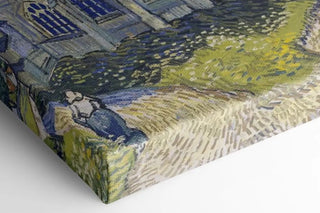
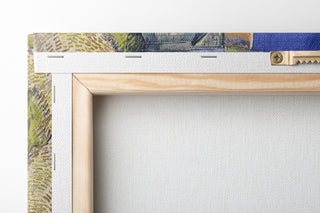
View from behind
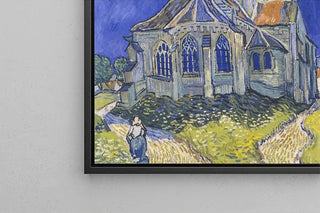
Frame (optional)
In the fascinating world of art, some works transcend their era to capture the very essence of humanity. The "Portrait of a Boy (Conflict of Cases)" by Isidor Kaufmann is one of those creations that, through its intensity and depth, immerses us at the heart of a reality that is both intimate and universal. This painting, depicting a young boy in a contemplative posture, invites a reflection that goes far beyond simple observation. The artist, through this portrait, offers us a window into the human soul, a reflection of the emotions and thoughts that inhabit each individual. Kaufmann's technical mastery, combined with his keen sense of observation, makes this work a true masterpiece that deserves to be explored in depth.
Style and uniqueness of the work
Isidor Kaufmann's style is characterized by a realistic and emotive approach, where every detail is carefully considered to enhance the visual and emotional impact of the piece. In "Portrait of a Boy (Conflict of Cases)", light plays a crucial role, illuminating the young boy's face with an almost tangible softness. The subtle nuances of colors, ranging from warm tones to delicate shadows, create an intimate atmosphere that captures the viewer's attention. The boy's posture, both pensive and slightly melancholic, evokes a multitude of feelings, from innocence to reflection on deeper life issues. Kaufmann succeeds in bringing his subject to life, making the portrait not only a visual representation but also an exploration of inner conflicts that can inhabit a young mind. This stylistic singularity makes the work an emblematic example of modern portraiture, where the artist does not merely reproduce a face but seeks to convey an authentic human experience.
The artist and his influence
Isidor Kaufmann, born in 1853 in Vienna, is an artist whose work is deeply rooted in the cultural and social realities of his time. Trained in the academic tradition, he evolved towards a more personal expression, incorporating elements of daily life into his portraits. Kaufmann was particularly interested in the
Painting Portrait of a Boy (Conflict of Cases) - Isidor Kaufmann | Art print

-10% FROM €95 IN PURCHASES
-15% FROM €195 IN PURCHASES
Regular price
- Unit price
- per
Tax included.
Free shipping
€4.90 / Free shipping on orders over €39
Satisfied or Money Back
Free returns within 30 days
10-year warranty
Our prints are guaranteed for 10 years
Any questions? We are here!
by email to contact@artemlegrand.com
THE STEPS OF YOUR ORDER
STEP 1 - ORDER PLACED
Your order has been confirmed and we are starting production
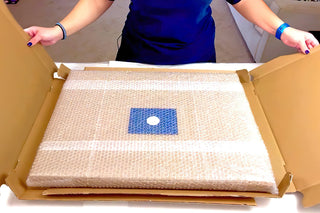
STEP 2 - SHIPPING
We ship your order. We send you an email to track the progress

STEP 3 - DELIVERY
You receive your order. You can also, according to your choice, be delivered to a relay point.
Matte finish
View from behind
Frame (optional)
In the fascinating world of art, some works transcend their era to capture the very essence of humanity. The "Portrait of a Boy (Conflict of Cases)" by Isidor Kaufmann is one of those creations that, through its intensity and depth, immerses us at the heart of a reality that is both intimate and universal. This painting, depicting a young boy in a contemplative posture, invites a reflection that goes far beyond simple observation. The artist, through this portrait, offers us a window into the human soul, a reflection of the emotions and thoughts that inhabit each individual. Kaufmann's technical mastery, combined with his keen sense of observation, makes this work a true masterpiece that deserves to be explored in depth.
Style and uniqueness of the work
Isidor Kaufmann's style is characterized by a realistic and emotive approach, where every detail is carefully considered to enhance the visual and emotional impact of the piece. In "Portrait of a Boy (Conflict of Cases)", light plays a crucial role, illuminating the young boy's face with an almost tangible softness. The subtle nuances of colors, ranging from warm tones to delicate shadows, create an intimate atmosphere that captures the viewer's attention. The boy's posture, both pensive and slightly melancholic, evokes a multitude of feelings, from innocence to reflection on deeper life issues. Kaufmann succeeds in bringing his subject to life, making the portrait not only a visual representation but also an exploration of inner conflicts that can inhabit a young mind. This stylistic singularity makes the work an emblematic example of modern portraiture, where the artist does not merely reproduce a face but seeks to convey an authentic human experience.
The artist and his influence
Isidor Kaufmann, born in 1853 in Vienna, is an artist whose work is deeply rooted in the cultural and social realities of his time. Trained in the academic tradition, he evolved towards a more personal expression, incorporating elements of daily life into his portraits. Kaufmann was particularly interested in the
12,34 €