
Painting Portrait of Izabela Ogińska née Lasocka - Josef Grassi | Art print


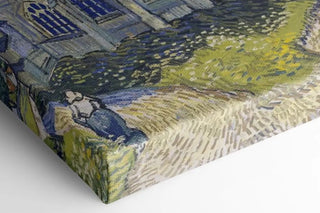
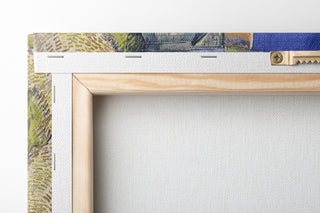
View from behind
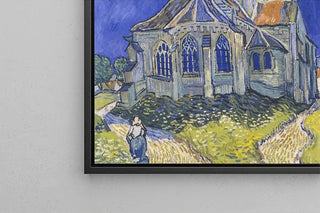
Frame (optional)
Portrait of Izabela Ogińska née Lasocka - Josef Grassi – Captivating Introduction
In the fascinating world of art, some works transcend the mere frame to become living witnesses of an era, a culture, and a personality. The "Portrait of Izabela Ogińska née Lasocka" by Josef Grassi is one of those creations that capture the very essence of its subject. Created in the 18th century, this art print not only illustrates the beauty of Izabela Ogińska but also showcases the technical skill and artistic approach of its creator. As you contemplate this piece, you are transported to a world where elegance and sophistication intertwine, revealing the subtleties of Polish aristocratic life of the time.
Style and uniqueness of the work
Grassi's style is distinguished by finesse and delicacy that manifest through every brushstroke. Light plays a crucial role in this art print, illuminating Izabela's face and highlighting her delicate features. The chosen colors, both soft and vibrant, create a visual harmony that immediately draws the eye. The composition is carefully thought out, with a background that, while discreet, contributes to emphasizing the main subject. Grassi manages to capture not only the physical appearance of his model but also a certain aura of mystery and psychological depth. This art print does not merely depict a woman; it tells a story, that of a life rich in emotions and experiences.
The artist and his influence
Josef Grassi, an Austrian-born painter, established himself as one of the most remarkable portraitists of his time. Active at the Polish court, he absorbed the artistic influences of his era while developing a personal style that is uniquely his own. His mastery of oil painting techniques and his keen sense of detail allowed him to create portraits that have become references in the field. Grassi had the opportunity to work with many figures of the aristocracy, which enabled him to develop a network of influence that marked his era. His work not only contributed to the rise of the portrait as a genre
Painting Portrait of Izabela Ogińska née Lasocka - Josef Grassi | Art print

-10% FROM €95 IN PURCHASES
-15% FROM €195 IN PURCHASES
Regular price
- Unit price
- per
Tax included.
Free shipping
€4.90 / Free shipping on orders over €39
Satisfied or Money Back
Free returns within 30 days
10-year warranty
Our prints are guaranteed for 10 years
Any questions? We are here!
by email to contact@artemlegrand.com
THE STEPS OF YOUR ORDER
STEP 1 - ORDER PLACED
Your order has been confirmed and we are starting production
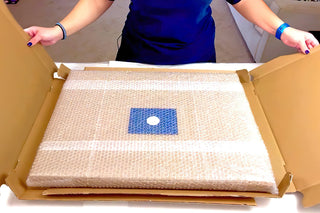
STEP 2 - SHIPPING
We ship your order. We send you an email to track the progress

STEP 3 - DELIVERY
You receive your order. You can also, according to your choice, be delivered to a relay point.
Matte finish
View from behind
Frame (optional)
Portrait of Izabela Ogińska née Lasocka - Josef Grassi – Captivating Introduction
In the fascinating world of art, some works transcend the mere frame to become living witnesses of an era, a culture, and a personality. The "Portrait of Izabela Ogińska née Lasocka" by Josef Grassi is one of those creations that capture the very essence of its subject. Created in the 18th century, this art print not only illustrates the beauty of Izabela Ogińska but also showcases the technical skill and artistic approach of its creator. As you contemplate this piece, you are transported to a world where elegance and sophistication intertwine, revealing the subtleties of Polish aristocratic life of the time.
Style and uniqueness of the work
Grassi's style is distinguished by finesse and delicacy that manifest through every brushstroke. Light plays a crucial role in this art print, illuminating Izabela's face and highlighting her delicate features. The chosen colors, both soft and vibrant, create a visual harmony that immediately draws the eye. The composition is carefully thought out, with a background that, while discreet, contributes to emphasizing the main subject. Grassi manages to capture not only the physical appearance of his model but also a certain aura of mystery and psychological depth. This art print does not merely depict a woman; it tells a story, that of a life rich in emotions and experiences.
The artist and his influence
Josef Grassi, an Austrian-born painter, established himself as one of the most remarkable portraitists of his time. Active at the Polish court, he absorbed the artistic influences of his era while developing a personal style that is uniquely his own. His mastery of oil painting techniques and his keen sense of detail allowed him to create portraits that have become references in the field. Grassi had the opportunity to work with many figures of the aristocracy, which enabled him to develop a network of influence that marked his era. His work not only contributed to the rise of the portrait as a genre
12,34 €