
Portrait of Elizabeth Poulett - Robert Peake the Elder | Art print


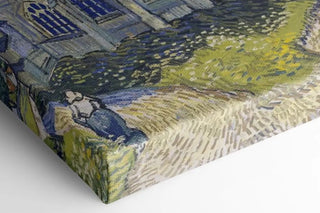
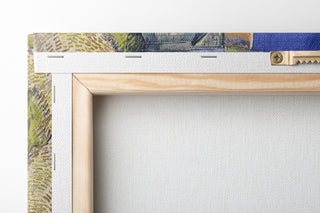
View from behind
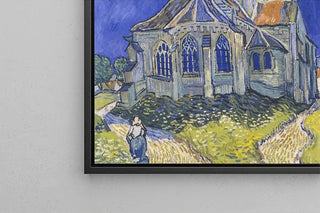
Frame (optional)
In the fascinating world of art, some works transcend the simple frame of painting to become witnesses of an era, reflections of the human soul. The "Portrait of Elizabeth Poulett" by Robert Peake the Elder is one of these iconic pieces. This portrait, which captures the elegance and dignity of its subject, immerses us in early 17th-century England, a period marked by political and cultural upheavals. By contemplating this artwork, the viewer is invited to explore not only the beauty of the depicted woman but also the historical context surrounding her, as well as the emotions and aspirations of a bygone era.
Style and uniqueness of the work
The style of Robert Peake the Elder is distinguished by its finesse and attention to detail. In the "Portrait of Elizabeth Poulett," the artist uses a delicate color palette that evokes softness and depth of feelings. The textures of the clothing, the reflections of light on the skin, and the penetrating gaze of the model create an intimate atmosphere that draws the viewer in. The composition is carefully balanced, with each element having its place, which enhances the stature of the central figure. This art print does not merely depict a woman of high society; it tells a story, that of a life, its hopes, and its challenges. Elizabeth's posture, both graceful and resolute, reflects her status and personality, while the details of her attire, rich and refined, highlight the importance of fashion at that time.
The artist and his influence
Robert Peake the Elder, a recognized court painter, knew how to establish himself in the artistic world of his time thanks to his unique style and his ability to capture the very essence of his subjects. Trained in the context of the Renaissance, he was influenced by the great masters of the era, while developing a personal approach that is his own. His work not only marked his era but also left a lasting imprint on future generations of artists. By painting notable figures of the English nobility, Peake contributed
Portrait of Elizabeth Poulett - Robert Peake the Elder | Art print

-10% FROM €95 IN PURCHASES
-15% FROM €195 IN PURCHASES
Regular price
- Unit price
- per
Tax included.
Free shipping
€4.90 / Free shipping on orders over €39
Satisfied or Money Back
Free returns within 30 days
10-year warranty
Our prints are guaranteed for 10 years
Any questions? We are here!
by email to contact@artemlegrand.com
THE STEPS OF YOUR ORDER

STEP 1 - ORDER PLACED
Your order has been confirmed and we are starting production
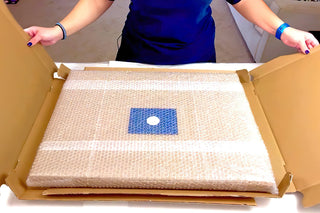
STEP 2 - SHIPPING
We ship your order. We send you an email to track the progress

STEP 3 - DELIVERY
You receive your order. You can also, according to your choice, be delivered to a relay point.
Matte finish
View from behind
Frame (optional)
In the fascinating world of art, some works transcend the simple frame of painting to become witnesses of an era, reflections of the human soul. The "Portrait of Elizabeth Poulett" by Robert Peake the Elder is one of these iconic pieces. This portrait, which captures the elegance and dignity of its subject, immerses us in early 17th-century England, a period marked by political and cultural upheavals. By contemplating this artwork, the viewer is invited to explore not only the beauty of the depicted woman but also the historical context surrounding her, as well as the emotions and aspirations of a bygone era.
Style and uniqueness of the work
The style of Robert Peake the Elder is distinguished by its finesse and attention to detail. In the "Portrait of Elizabeth Poulett," the artist uses a delicate color palette that evokes softness and depth of feelings. The textures of the clothing, the reflections of light on the skin, and the penetrating gaze of the model create an intimate atmosphere that draws the viewer in. The composition is carefully balanced, with each element having its place, which enhances the stature of the central figure. This art print does not merely depict a woman of high society; it tells a story, that of a life, its hopes, and its challenges. Elizabeth's posture, both graceful and resolute, reflects her status and personality, while the details of her attire, rich and refined, highlight the importance of fashion at that time.
The artist and his influence
Robert Peake the Elder, a recognized court painter, knew how to establish himself in the artistic world of his time thanks to his unique style and his ability to capture the very essence of his subjects. Trained in the context of the Renaissance, he was influenced by the great masters of the era, while developing a personal approach that is his own. His work not only marked his era but also left a lasting imprint on future generations of artists. By painting notable figures of the English nobility, Peake contributed
12,34 €