
Painting Portrait of August Iwański - Wojciech Weiss | Art print


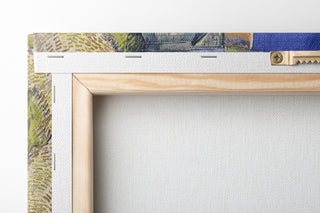
View from behind
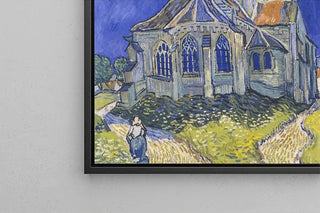
Frame (optional)
Introduction captivante
The "Portrait of August Iwański" by Wojciech Weiss is a work that transcends the simple frame of representation to immerse the viewer in an atmosphere charged with emotion and depth. Created in the early 20th century, this portrait evokes not only the subject, August Iwański, but also an era when art reflected social and cultural upheavals. The canvas, through its composition and colors, invites introspective contemplation, allowing one to grasp the character and thoughts of its model. The art print of this iconic piece thus offers a chance to rediscover a key moment in Polish art history, while providing an opportunity to admire Weiss's unparalleled talent.
Style and uniqueness of the work
Wojciech Weiss's style is characterized by a subtle approach to realism, combined with an impressionist sensitivity that manifests in the way he captures light and shadows. In the "Portrait of August Iwański," each brushstroke seems to vibrate with emotional intensity, revealing not only the physical features of the subject but also a part of his soul. The rich and nuanced color palette helps create an intimate atmosphere, where the viewer is invited to enter the character's privacy. Iwański's posture, slightly turned, suggests introspection, while his gaze, both thoughtful and piercing, engages in dialogue with the observer. This work stands out for its ability to transcend time, offering a vision that still resonates today.
The artist and his influence
Wojciech Weiss, a prominent figure in Polish art, established himself through his unique style and technical mastery. Born in 1875, he was trained in prestigious art schools, where he developed a particular sensitivity for portraits. Weiss drew inspiration from the great masters of the past while forging his own artistic identity. His work is not limited to the simple art print of physical traits; he seeks to capture the very essence of his subjects, to tell their story through their gaze and posture. Weiss's influence extends beyond
Painting Portrait of August Iwański - Wojciech Weiss | Art print

-10% FROM €95 IN PURCHASES
-15% FROM €195 IN PURCHASES
Regular price
- Unit price
- per
Tax included.
Free shipping
€4.90 / Free shipping on orders over €39
Satisfied or Money Back
Free returns within 30 days
10-year warranty
Our prints are guaranteed for 10 years
Any questions? We are here!
by email to contact@artemlegrand.com
THE STEPS OF YOUR ORDER
STEP 1 - ORDER PLACED
Your order has been confirmed and we are starting production
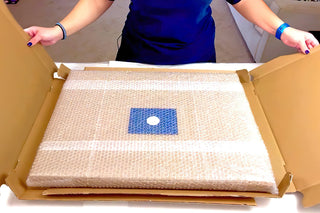
STEP 2 - SHIPPING
We ship your order. We send you an email to track the progress

STEP 3 - DELIVERY
You receive your order. You can also, according to your choice, be delivered to a relay point.
Matte finish
View from behind
Frame (optional)
Introduction captivante
The "Portrait of August Iwański" by Wojciech Weiss is a work that transcends the simple frame of representation to immerse the viewer in an atmosphere charged with emotion and depth. Created in the early 20th century, this portrait evokes not only the subject, August Iwański, but also an era when art reflected social and cultural upheavals. The canvas, through its composition and colors, invites introspective contemplation, allowing one to grasp the character and thoughts of its model. The art print of this iconic piece thus offers a chance to rediscover a key moment in Polish art history, while providing an opportunity to admire Weiss's unparalleled talent.
Style and uniqueness of the work
Wojciech Weiss's style is characterized by a subtle approach to realism, combined with an impressionist sensitivity that manifests in the way he captures light and shadows. In the "Portrait of August Iwański," each brushstroke seems to vibrate with emotional intensity, revealing not only the physical features of the subject but also a part of his soul. The rich and nuanced color palette helps create an intimate atmosphere, where the viewer is invited to enter the character's privacy. Iwański's posture, slightly turned, suggests introspection, while his gaze, both thoughtful and piercing, engages in dialogue with the observer. This work stands out for its ability to transcend time, offering a vision that still resonates today.
The artist and his influence
Wojciech Weiss, a prominent figure in Polish art, established himself through his unique style and technical mastery. Born in 1875, he was trained in prestigious art schools, where he developed a particular sensitivity for portraits. Weiss drew inspiration from the great masters of the past while forging his own artistic identity. His work is not limited to the simple art print of physical traits; he seeks to capture the very essence of his subjects, to tell their story through their gaze and posture. Weiss's influence extends beyond
12,34 €