
Painting Portrait of Anne of Austria - Peter Paul Rubens | Art print


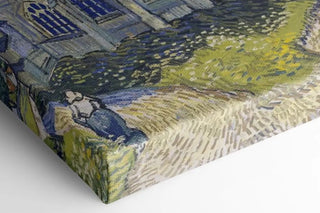
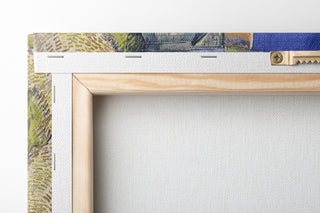
View from behind
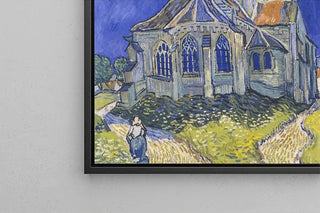
Frame (optional)
The "Portrait of Anne of Austria" by Peter Paul Rubens is an iconic artwork that embodies the beauty and power of monarchy in the 17th century. This painting, created by one of the masters of Baroque painting, offers a fascinating glimpse into the life of European court society. Anne of Austria, wife of Louis XIII of France, is depicted with a majesty that transcends a simple portrait. Through this masterpiece, Rubens captures not only the physical appearance of the queen but also the very essence of her royal status. Every detail, from the sumptuous drapery of her gown to the shimmering jewelry, tells a story of grandeur and dignity.
Style and uniqueness of the work
Rubens stands out for his vibrant painting technique and keen sense of movement, which is reflected in the "Portrait of Anne of Austria." The dynamic composition, where the queen appears almost alive, is enhanced by rich colors and delicate shadows that give the work striking depth. Anne's penetrating gaze, combined with her subtle smile, creates an immediate connection with the viewer, inviting deeper contemplation. Symbolic elements, such as the crown and luxurious drapery, reinforce the idea of majesty and power. This portrait is not just a representation of a person but a symbol of an era where art intertwined with politics and culture.
The artist and his influence
Peter Paul Rubens, born in 1577, is often regarded as one of the greatest painters in history. His training in Italy, where he was influenced by Renaissance masters, profoundly shaped his style. Rubens mastered blending Baroque dynamism with classical sensitivity, creating works that are both emotional and intellectual. His influence extends far beyond his time, inspiring countless artists across centuries. The "Portrait of Anne of Austria" is a perfect example of his ability to fuse technique with emotion, revealing the depth of the characters he depicted. As a courtier and diplomat, Rubens also played
Painting Portrait of Anne of Austria - Peter Paul Rubens | Art print

-10% FROM €95 IN PURCHASES
-15% FROM €195 IN PURCHASES
Regular price
- Unit price
- per
Tax included.
Free shipping
€4.90 / Free shipping on orders over €39
Satisfied or Money Back
Free returns within 30 days
10-year warranty
Our prints are guaranteed for 10 years
Any questions? We are here!
by email to contact@artemlegrand.com
THE STEPS OF YOUR ORDER

STEP 1 - ORDER PLACED
Your order has been confirmed and we are starting production
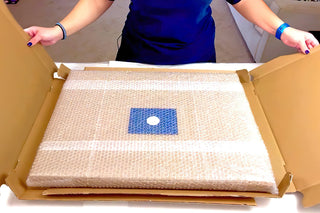
STEP 2 - SHIPPING
We ship your order. We send you an email to track the progress

STEP 3 - DELIVERY
You receive your order. You can also, according to your choice, be delivered to a relay point.
Matte finish
View from behind
Frame (optional)
The "Portrait of Anne of Austria" by Peter Paul Rubens is an iconic artwork that embodies the beauty and power of monarchy in the 17th century. This painting, created by one of the masters of Baroque painting, offers a fascinating glimpse into the life of European court society. Anne of Austria, wife of Louis XIII of France, is depicted with a majesty that transcends a simple portrait. Through this masterpiece, Rubens captures not only the physical appearance of the queen but also the very essence of her royal status. Every detail, from the sumptuous drapery of her gown to the shimmering jewelry, tells a story of grandeur and dignity.
Style and uniqueness of the work
Rubens stands out for his vibrant painting technique and keen sense of movement, which is reflected in the "Portrait of Anne of Austria." The dynamic composition, where the queen appears almost alive, is enhanced by rich colors and delicate shadows that give the work striking depth. Anne's penetrating gaze, combined with her subtle smile, creates an immediate connection with the viewer, inviting deeper contemplation. Symbolic elements, such as the crown and luxurious drapery, reinforce the idea of majesty and power. This portrait is not just a representation of a person but a symbol of an era where art intertwined with politics and culture.
The artist and his influence
Peter Paul Rubens, born in 1577, is often regarded as one of the greatest painters in history. His training in Italy, where he was influenced by Renaissance masters, profoundly shaped his style. Rubens mastered blending Baroque dynamism with classical sensitivity, creating works that are both emotional and intellectual. His influence extends far beyond his time, inspiring countless artists across centuries. The "Portrait of Anne of Austria" is a perfect example of his ability to fuse technique with emotion, revealing the depth of the characters he depicted. As a courtier and diplomat, Rubens also played
12,34 €