
Painting Portrait of a Clergyman - Maciej Topolski | Art print


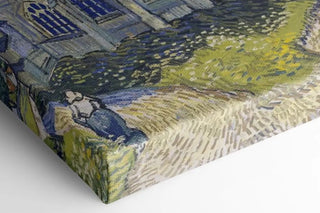
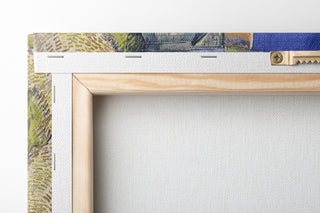
View from behind
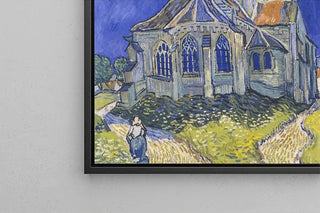
Frame (optional)
In the vast panorama of art history, some works stand out for their ability to capture the essence of an era, a culture, or an individual. The "Portrait of a Clergyman" by Maciej Topolski is one of those creations that transcend the simple frame of painting to offer a genuine dialogue between the viewer and the subject. This painting, imbued with psychological depth and undeniable technical mastery, invites attentive contemplation, revealing layers of meaning often unsuspected. By immersing ourselves in this work, we discover not just a portrait, but a reflection of the spiritual and intellectual world of the 17th century.
Style and uniqueness of the work
Topolski's style is characterized by fine detail and a subtle palette that bring his characters to life. In the "Portrait of a Clergyman," light plays a central role, illuminating the subject's face while creating delicate shadows that accentuate features and expressions. Every brushstroke seems to have been chosen with care, contributing to an atmosphere of gravity and serenity. The clergyman's posture, slightly inclined, evokes deep introspection, while his richly adorned clothing reflects his high status. This blend of simplicity and sophistication gives the work a singularity that makes it unforgettable, allowing the viewer to feel an emotional connection with the subject.
The artist and his influence
Maciej Topolski, a Polish artist of the 17th century, established himself as a major figure of his time. His journey reflects a passion for art and an unceasing quest for perfection. Trained in various artistic traditions, he managed to incorporate Italian influences while maintaining a strong Polish identity. This duality is evident in his works, where the sacred and the profane coexist harmoniously. Topolski also played a key role in shaping generations of artists, transmitting not only techniques but also a vision of art as a means of spiritual and intellectual expression. Thus, the "Portrait of a Clergyman" does not
Painting Portrait of a Clergyman - Maciej Topolski | Art print

-10% FROM €95 IN PURCHASES
-15% FROM €195 IN PURCHASES
Regular price
- Unit price
- per
Tax included.
Free shipping
€4.90 / Free shipping on orders over €39
Satisfied or Money Back
Free returns within 30 days
10-year warranty
Our prints are guaranteed for 10 years
Any questions? We are here!
by email to contact@artemlegrand.com
THE STEPS OF YOUR ORDER

STEP 1 - ORDER PLACED
Your order has been confirmed and we are starting production
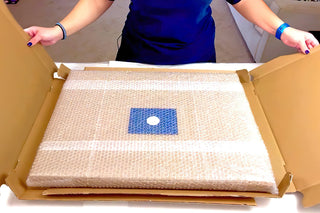
STEP 2 - SHIPPING
We ship your order. We send you an email to track the progress

STEP 3 - DELIVERY
You receive your order. You can also, according to your choice, be delivered to a relay point.
Matte finish
View from behind
Frame (optional)
In the vast panorama of art history, some works stand out for their ability to capture the essence of an era, a culture, or an individual. The "Portrait of a Clergyman" by Maciej Topolski is one of those creations that transcend the simple frame of painting to offer a genuine dialogue between the viewer and the subject. This painting, imbued with psychological depth and undeniable technical mastery, invites attentive contemplation, revealing layers of meaning often unsuspected. By immersing ourselves in this work, we discover not just a portrait, but a reflection of the spiritual and intellectual world of the 17th century.
Style and uniqueness of the work
Topolski's style is characterized by fine detail and a subtle palette that bring his characters to life. In the "Portrait of a Clergyman," light plays a central role, illuminating the subject's face while creating delicate shadows that accentuate features and expressions. Every brushstroke seems to have been chosen with care, contributing to an atmosphere of gravity and serenity. The clergyman's posture, slightly inclined, evokes deep introspection, while his richly adorned clothing reflects his high status. This blend of simplicity and sophistication gives the work a singularity that makes it unforgettable, allowing the viewer to feel an emotional connection with the subject.
The artist and his influence
Maciej Topolski, a Polish artist of the 17th century, established himself as a major figure of his time. His journey reflects a passion for art and an unceasing quest for perfection. Trained in various artistic traditions, he managed to incorporate Italian influences while maintaining a strong Polish identity. This duality is evident in his works, where the sacred and the profane coexist harmoniously. Topolski also played a key role in shaping generations of artists, transmitting not only techniques but also a vision of art as a means of spiritual and intellectual expression. Thus, the "Portrait of a Clergyman" does not
12,34 €