
Portrait painting of Agnès Margaretha Albinus, wife of Coenraad van Heemskerck - Mattheus Verheyden | Art print


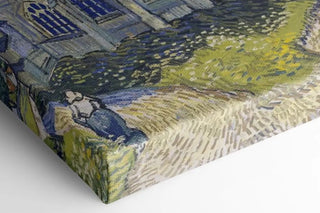
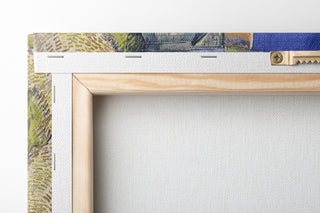
View from behind
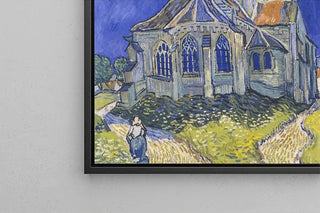
Frame (optional)
In the fascinating world of art, some works transcend the simple frame to become windows into bygone eras and personal stories. The art print of the Portrait of Agnès Margaretha Albinus, wife of Coenraad van Heemskerck, created by Mattheus Verheyden, is one of those pieces that captivates and intrigues. This portrait, both intimate and representative, immerses us in the life of a woman from the 17th century, revealing the social conventions and aspirations of her time. Through Agnès's gaze, the viewer is invited to explore not only her identity but also the role she played within the cultural and historical context of her era.
Style and uniqueness of the work
The style of this portrait is characterized by finesse and precision that attest to Verheyden's undeniable talent. The composition highlights Agnès with an elegance that seems almost timeless. The meticulous details of her attire, the play of light on her face, and the carefully chosen background contribute to creating an atmosphere that is both solemn and warm. The color palette, subtle and harmonious, reinforces the idea of a moment frozen in time, where each nuance tells a story. This painting does not merely depict a historical figure; it also evokes a certain sensitivity, an introspection that still resonates today. Verheyden's mastery in rendering textures and human expressions brings Agnès to life, making her both accessible and mysterious.
The artist and his influence
Mattheus Verheyden, a Dutch artist of the 17th century, established himself in the artistic scene of his time thanks to his unique approach to portraiture. Raised in a context where art was undergoing rapid change, he incorporated various influences, ranging from Flemish masters to new Baroque trends. His work is distinguished by attention to detail and a capacity to capture the emotions of his subjects, a quality that left a mark on the Dutch artistic landscape. By painting iconic figures, Verheyden contributed to redefining the portrait, transforming it into a tool of
Portrait painting of Agnès Margaretha Albinus, wife of Coenraad van Heemskerck - Mattheus Verheyden | Art print

-10% FROM €95 IN PURCHASES
-15% FROM €195 IN PURCHASES
Regular price
- Unit price
- per
Tax included.
Free shipping
€4.90 / Free shipping on orders over €39
Satisfied or Money Back
Free returns within 30 days
10-year warranty
Our prints are guaranteed for 10 years
Any questions? We are here!
by email to contact@artemlegrand.com
THE STEPS OF YOUR ORDER
STEP 1 - ORDER PLACED
Your order has been confirmed and we are starting production
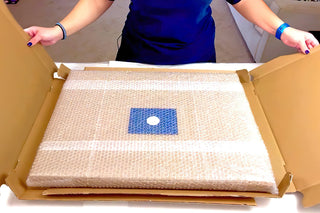
STEP 2 - SHIPPING
We ship your order. We send you an email to track the progress

STEP 3 - DELIVERY
You receive your order. You can also, according to your choice, be delivered to a relay point.
Matte finish
View from behind
Frame (optional)
In the fascinating world of art, some works transcend the simple frame to become windows into bygone eras and personal stories. The art print of the Portrait of Agnès Margaretha Albinus, wife of Coenraad van Heemskerck, created by Mattheus Verheyden, is one of those pieces that captivates and intrigues. This portrait, both intimate and representative, immerses us in the life of a woman from the 17th century, revealing the social conventions and aspirations of her time. Through Agnès's gaze, the viewer is invited to explore not only her identity but also the role she played within the cultural and historical context of her era.
Style and uniqueness of the work
The style of this portrait is characterized by finesse and precision that attest to Verheyden's undeniable talent. The composition highlights Agnès with an elegance that seems almost timeless. The meticulous details of her attire, the play of light on her face, and the carefully chosen background contribute to creating an atmosphere that is both solemn and warm. The color palette, subtle and harmonious, reinforces the idea of a moment frozen in time, where each nuance tells a story. This painting does not merely depict a historical figure; it also evokes a certain sensitivity, an introspection that still resonates today. Verheyden's mastery in rendering textures and human expressions brings Agnès to life, making her both accessible and mysterious.
The artist and his influence
Mattheus Verheyden, a Dutch artist of the 17th century, established himself in the artistic scene of his time thanks to his unique approach to portraiture. Raised in a context where art was undergoing rapid change, he incorporated various influences, ranging from Flemish masters to new Baroque trends. His work is distinguished by attention to detail and a capacity to capture the emotions of his subjects, a quality that left a mark on the Dutch artistic landscape. By painting iconic figures, Verheyden contributed to redefining the portrait, transforming it into a tool of
12,34 €