
Art print Portrait of a woman with a black headscarf - Édouard Manet | Art print


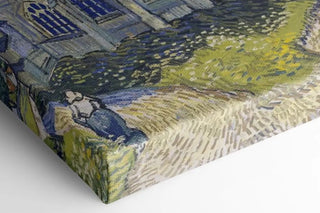
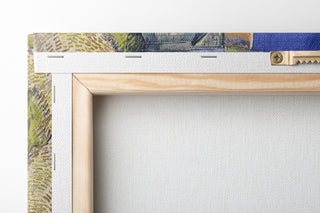
View from behind
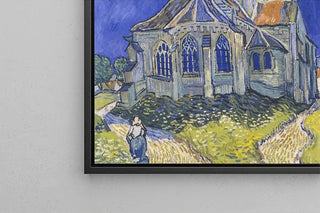
Frame (optional)
In the fascinating world of art, some works manage to capture the very essence of their era while transcending the limits of time. "Portrait of a Woman in a Black Headscarf" by Édouard Manet is one of these iconic creations. Completed in 1863, this painting offers a striking glimpse into Parisian society of the 19th century, while showcasing the stylistic boldness that characterizes Manet's work. The woman depicted, both mysterious and approachable, invites the viewer to engage in a silent dialogue, where each exchanged glance becomes an exploration of intimacy and social dynamics. This portrait, a true reflection of modernity, stands out as an essential piece for anyone interested in the history of art.
Style and uniqueness of the work
Manet's style, often regarded as a precursor to Impressionism, is distinguished by its innovative approach to light and color. In "Portrait of a Woman in a Black Headscarf," the dark and rich palette creates a striking contrast with the softness of the model's features. The black headscarf, a key element of the composition, envelops the woman with an aura of mystery, while emphasizing her position within bourgeois society. Manet employs bold brushstrokes and touches of light to bring this female figure to life, giving her face a rare expressiveness. The work also stands out for its realistic treatment, which moves away from the academic conventions of the time, favoring a more direct and personal approach. This singularity makes this painting a perfect example of Manet's art, where technique and emotion meet with palpable intensity.
The artist and his influence
Édouard Manet, a central figure of the 19th-century artistic movement, played a decisive role in the evolution of modern art. Often considered a bridge between Realism and Impressionism, Manet was able to challenge the conventions of his time. With works like "Luncheon on the Grass" and "Olympia," he defied aesthetic and moral norms, paving the way for new forms of artistic expression.
Art print Portrait of a woman with a black headscarf - Édouard Manet | Art print

-10% FROM €95 IN PURCHASES
-15% FROM €195 IN PURCHASES
Regular price
- Unit price
- per
Tax included.
Free shipping
€4.90 / Free shipping on orders over €39
Satisfied or Money Back
Free returns within 30 days
10-year warranty
Our prints are guaranteed for 10 years
Any questions? We are here!
by email to contact@artemlegrand.com
THE STEPS OF YOUR ORDER

STEP 1 - ORDER PLACED
Your order has been confirmed and we are starting production
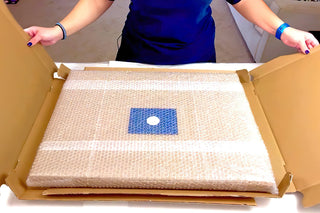
STEP 2 - SHIPPING
We ship your order. We send you an email to track the progress

STEP 3 - DELIVERY
You receive your order. You can also, according to your choice, be delivered to a relay point.
Matte finish
View from behind
Frame (optional)
In the fascinating world of art, some works manage to capture the very essence of their era while transcending the limits of time. "Portrait of a Woman in a Black Headscarf" by Édouard Manet is one of these iconic creations. Completed in 1863, this painting offers a striking glimpse into Parisian society of the 19th century, while showcasing the stylistic boldness that characterizes Manet's work. The woman depicted, both mysterious and approachable, invites the viewer to engage in a silent dialogue, where each exchanged glance becomes an exploration of intimacy and social dynamics. This portrait, a true reflection of modernity, stands out as an essential piece for anyone interested in the history of art.
Style and uniqueness of the work
Manet's style, often regarded as a precursor to Impressionism, is distinguished by its innovative approach to light and color. In "Portrait of a Woman in a Black Headscarf," the dark and rich palette creates a striking contrast with the softness of the model's features. The black headscarf, a key element of the composition, envelops the woman with an aura of mystery, while emphasizing her position within bourgeois society. Manet employs bold brushstrokes and touches of light to bring this female figure to life, giving her face a rare expressiveness. The work also stands out for its realistic treatment, which moves away from the academic conventions of the time, favoring a more direct and personal approach. This singularity makes this painting a perfect example of Manet's art, where technique and emotion meet with palpable intensity.
The artist and his influence
Édouard Manet, a central figure of the 19th-century artistic movement, played a decisive role in the evolution of modern art. Often considered a bridge between Realism and Impressionism, Manet was able to challenge the conventions of his time. With works like "Luncheon on the Grass" and "Olympia," he defied aesthetic and moral norms, paving the way for new forms of artistic expression.
12,34 €