
Painting Portrait of a Lady traditionally identified as Lady Peel - Sir Francis Grant


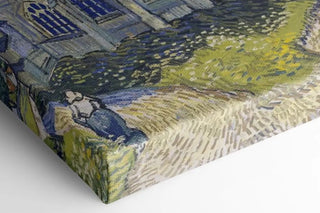
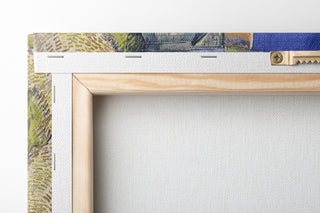
View from behind
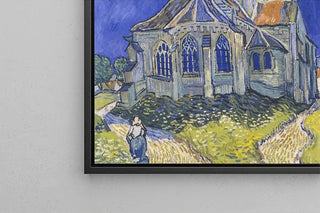
Frame (optional)
In the world of art, some portraits transcend the simple frame to become true windows into history. The art print of a lady traditionally identified as Lady Peel - Sir Francis Grant is a compelling example of this ability to capture the essence of an era. This painting, which evokes both nobility and delicacy, invites us to delve into the refined universe of 19th-century English high society. Through the gaze of the depicted lady, we feel an emotional depth, a hidden story behind the enigmatic smile that seems to observe us. This portrait is not just a frozen image in time; it is an invitation to explore the social and cultural dynamics of its period.
Style and uniqueness of the work
The uniqueness of this portrait lies in the distinctive style of Sir Francis Grant, who masterfully combines realism and idealization. The artist excels in rendering textures, whether it is the shimmering satin of the lady's dress or the delicate nuances of her skin. Every brushstroke appears carefully considered, demonstrating technical mastery that makes Grant a renowned portraitist. The composition of the painting is balanced, with particular attention paid to the posture and expression of the model. The subtly orchestrated light highlights the delicate features of the face while creating an intimate atmosphere. This portrait does not merely depict a figure; it tells a story, that of a woman rooted in her time, while leaving room for the viewer's imagination.
The artist and his influence
Sir Francis Grant, an emblematic figure of British art, knew how to mark his era with his ability to immortalize influential personalities of his time. Trained at the Edinburgh School of Fine Arts, he developed a style that combines academic rigor with modern sensitivity. His work is part of the realism movement, but with a touch of romanticism unique to him. Grant also served as president of the Royal Academy, a testament to his influence in the art world. Through his portraits, he not only captured the appearance of his subjects but also their essence, their
Painting Portrait of a Lady traditionally identified as Lady Peel - Sir Francis Grant

-10% FROM €95 IN PURCHASES
-15% FROM €195 IN PURCHASES
Regular price
- Unit price
- per
Tax included.
Free shipping
€4.90 / Free shipping on orders over €39
Satisfied or Money Back
Free returns within 30 days
10-year warranty
Our prints are guaranteed for 10 years
Any questions? We are here!
by email to contact@artemlegrand.com
THE STEPS OF YOUR ORDER

STEP 1 - ORDER PLACED
Your order has been confirmed and we are starting production
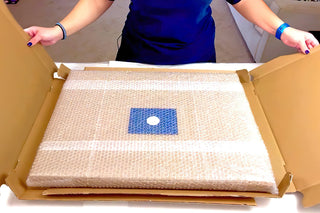
STEP 2 - SHIPPING
We ship your order. We send you an email to track the progress

STEP 3 - DELIVERY
You receive your order. You can also, according to your choice, be delivered to a relay point.
Matte finish
View from behind
Frame (optional)
In the world of art, some portraits transcend the simple frame to become true windows into history. The art print of a lady traditionally identified as Lady Peel - Sir Francis Grant is a compelling example of this ability to capture the essence of an era. This painting, which evokes both nobility and delicacy, invites us to delve into the refined universe of 19th-century English high society. Through the gaze of the depicted lady, we feel an emotional depth, a hidden story behind the enigmatic smile that seems to observe us. This portrait is not just a frozen image in time; it is an invitation to explore the social and cultural dynamics of its period.
Style and uniqueness of the work
The uniqueness of this portrait lies in the distinctive style of Sir Francis Grant, who masterfully combines realism and idealization. The artist excels in rendering textures, whether it is the shimmering satin of the lady's dress or the delicate nuances of her skin. Every brushstroke appears carefully considered, demonstrating technical mastery that makes Grant a renowned portraitist. The composition of the painting is balanced, with particular attention paid to the posture and expression of the model. The subtly orchestrated light highlights the delicate features of the face while creating an intimate atmosphere. This portrait does not merely depict a figure; it tells a story, that of a woman rooted in her time, while leaving room for the viewer's imagination.
The artist and his influence
Sir Francis Grant, an emblematic figure of British art, knew how to mark his era with his ability to immortalize influential personalities of his time. Trained at the Edinburgh School of Fine Arts, he developed a style that combines academic rigor with modern sensitivity. His work is part of the realism movement, but with a touch of romanticism unique to him. Grant also served as president of the Royal Academy, a testament to his influence in the art world. Through his portraits, he not only captured the appearance of his subjects but also their essence, their
12,34 €