
Painting Portrait of a Woman - Paris Bordone | Art print


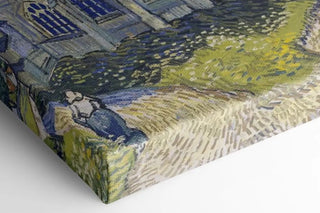
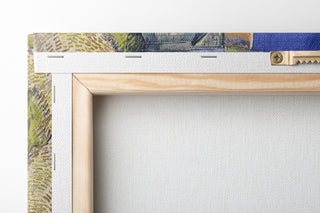
View from behind
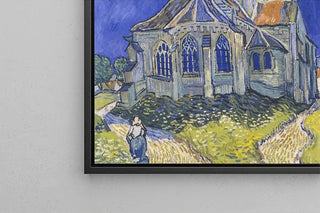
Frame (optional)
The "Art print of a woman" by Paris Bordone is an iconic piece that evokes the richness and complexity of the Italian Renaissance. This painting, created in the 16th century, displays a striking beauty that transcends a simple portrait to become a true window into the era. By contemplating this work, the viewer is transported into a universe where grace and sophistication blend with subtle psychological depth. The depicted woman, both mysterious and engaging, invites reflection on identity and the female condition of her time, while embodying the Renaissance ideal of beauty.
Style and uniqueness of the work
Bordone's style is distinguished by the harmony of its colors and the finesse of its details. In this art print, light plays a predominant role, illuminating the woman's face with a softness that seems almost supernatural. The delicate nuances of her skin contrast with the rich fabrics of her dress, whose patterns and textures are rendered with remarkable precision. Every element, from the sparkling jewelry to the folds of the garment, demonstrates unparalleled technical mastery. Furthermore, the woman's posture, slightly turned towards the viewer, creates an intimate connection, as if she were about to share a secret. This psychological approach, combined with a keen sense of composition, makes this art print a work of great modernity for its time.
The artist and his influence
Paris Bordone, a pupil of Titian, established himself as one of the great masters of Venetian painting. His ability to capture human essence through portraiture influenced many contemporary and later artists. Bordone does not merely reproduce faces; he animates them with a life of their own, with a personality that transcends the support. His innovative approach paved the way for a new way of conceiving the portrait, where the individual is at the center of the work, far from idealized and stereotypical representations. Through his works, he also contributed to redefining the role of women in art, presenting them not only as objects of beauty but as complex beings, rich in emotions and thoughts.
One wall decoration of
Painting Portrait of a Woman - Paris Bordone | Art print

-10% FROM €95 IN PURCHASES
-15% FROM €195 IN PURCHASES
Regular price
- Unit price
- per
Tax included.
Free shipping
€4.90 / Free shipping on orders over €39
Satisfied or Money Back
Free returns within 30 days
10-year warranty
Our prints are guaranteed for 10 years
Any questions? We are here!
by email to contact@artemlegrand.com
THE STEPS OF YOUR ORDER
STEP 1 - ORDER PLACED
Your order has been confirmed and we are starting production
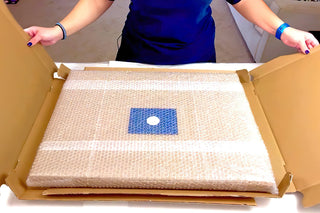
STEP 2 - SHIPPING
We ship your order. We send you an email to track the progress

STEP 3 - DELIVERY
You receive your order. You can also, according to your choice, be delivered to a relay point.
Matte finish
View from behind
Frame (optional)
The "Art print of a woman" by Paris Bordone is an iconic piece that evokes the richness and complexity of the Italian Renaissance. This painting, created in the 16th century, displays a striking beauty that transcends a simple portrait to become a true window into the era. By contemplating this work, the viewer is transported into a universe where grace and sophistication blend with subtle psychological depth. The depicted woman, both mysterious and engaging, invites reflection on identity and the female condition of her time, while embodying the Renaissance ideal of beauty.
Style and uniqueness of the work
Bordone's style is distinguished by the harmony of its colors and the finesse of its details. In this art print, light plays a predominant role, illuminating the woman's face with a softness that seems almost supernatural. The delicate nuances of her skin contrast with the rich fabrics of her dress, whose patterns and textures are rendered with remarkable precision. Every element, from the sparkling jewelry to the folds of the garment, demonstrates unparalleled technical mastery. Furthermore, the woman's posture, slightly turned towards the viewer, creates an intimate connection, as if she were about to share a secret. This psychological approach, combined with a keen sense of composition, makes this art print a work of great modernity for its time.
The artist and his influence
Paris Bordone, a pupil of Titian, established himself as one of the great masters of Venetian painting. His ability to capture human essence through portraiture influenced many contemporary and later artists. Bordone does not merely reproduce faces; he animates them with a life of their own, with a personality that transcends the support. His innovative approach paved the way for a new way of conceiving the portrait, where the individual is at the center of the work, far from idealized and stereotypical representations. Through his works, he also contributed to redefining the role of women in art, presenting them not only as objects of beauty but as complex beings, rich in emotions and thoughts.
One wall decoration of
12,34 €