
Portrait Painting of a Woman - Johann Georg Edlinger | Art print


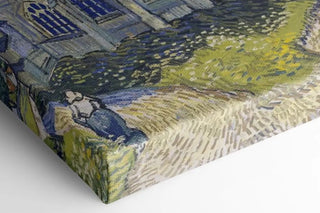
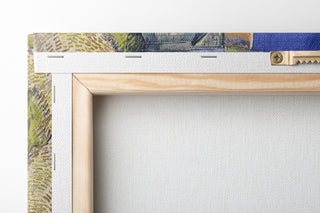
View from behind
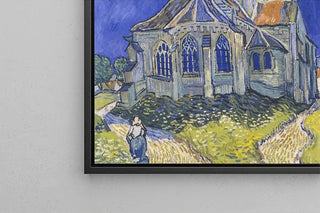
Frame (optional)
Portrait of a Woman - Johann Georg Edlinger – Captivating Introduction
The "Portrait of a Woman" by Johann Georg Edlinger is a work that transcends the simple frame of painting to immerse the viewer in a universe of delicate emotions and mysteries. Created in the early 19th century, this painting embodies the quintessence of romantic portraiture, where beauty and introspection blend harmoniously. The finesse of the features and the depth of the gaze invite attentive contemplation, gradually revealing the subtleties of a soul captured on canvas. Observing this work, one almost feels the breath of time and the echo of the thoughts of the depicted woman—an immersive experience that makes this portrait a true masterpiece of art.
Style and uniqueness of the work
The uniqueness of the "Portrait of a Woman" lies in Edlinger's technical mastery and stylistic originality. The play of light and shadow, essential in rendering volumes, gives the woman's face an almost sculptural dimension. The colors, both soft and vibrant, create an intimate atmosphere, where every detail—from the fabric of her dress to the reflections in her eyes—contributes to the overall harmony. Edlinger knows how to capture not only the physical appearance but also an essence, a presence that seems to vibrate beyond the canvas. This approach, typical of romanticism, allows the viewer to question the identity and emotions of the female figure, making her all the more fascinating. The portrait then becomes a mirror, reflecting the aspirations and dreams of an era, while remaining resolutely timeless.
The artist and his influence
Johann Georg Edlinger, active in Vienna, is an artist whose work is rooted in the romantic movement but also draws from classical traditions. Trained in a rich artistic environment, he developed a personal style that combines academic rigor with expressive sensitivity. His ability to render the psychological nuances of characters is one of his greatest contributions to art history. Edlinger influenced many contemporary and later artists, notably through his exploration of the psychology of his subjects—a theme that still resonates in modern art. By redefining the portrait as a space for exploring
Portrait Painting of a Woman - Johann Georg Edlinger | Art print

-10% FROM €95 IN PURCHASES
-15% FROM €195 IN PURCHASES
Regular price
- Unit price
- per
Tax included.
Free shipping
€4.90 / Free shipping on orders over €39
Satisfied or Money Back
Free returns within 30 days
10-year warranty
Our prints are guaranteed for 10 years
Any questions? We are here!
by email to contact@artemlegrand.com
THE STEPS OF YOUR ORDER

STEP 1 - ORDER PLACED
Your order has been confirmed and we are starting production
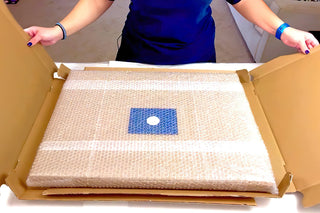
STEP 2 - SHIPPING
We ship your order. We send you an email to track the progress

STEP 3 - DELIVERY
You receive your order. You can also, according to your choice, be delivered to a relay point.
Matte finish
View from behind
Frame (optional)
Portrait of a Woman - Johann Georg Edlinger – Captivating Introduction
The "Portrait of a Woman" by Johann Georg Edlinger is a work that transcends the simple frame of painting to immerse the viewer in a universe of delicate emotions and mysteries. Created in the early 19th century, this painting embodies the quintessence of romantic portraiture, where beauty and introspection blend harmoniously. The finesse of the features and the depth of the gaze invite attentive contemplation, gradually revealing the subtleties of a soul captured on canvas. Observing this work, one almost feels the breath of time and the echo of the thoughts of the depicted woman—an immersive experience that makes this portrait a true masterpiece of art.
Style and uniqueness of the work
The uniqueness of the "Portrait of a Woman" lies in Edlinger's technical mastery and stylistic originality. The play of light and shadow, essential in rendering volumes, gives the woman's face an almost sculptural dimension. The colors, both soft and vibrant, create an intimate atmosphere, where every detail—from the fabric of her dress to the reflections in her eyes—contributes to the overall harmony. Edlinger knows how to capture not only the physical appearance but also an essence, a presence that seems to vibrate beyond the canvas. This approach, typical of romanticism, allows the viewer to question the identity and emotions of the female figure, making her all the more fascinating. The portrait then becomes a mirror, reflecting the aspirations and dreams of an era, while remaining resolutely timeless.
The artist and his influence
Johann Georg Edlinger, active in Vienna, is an artist whose work is rooted in the romantic movement but also draws from classical traditions. Trained in a rich artistic environment, he developed a personal style that combines academic rigor with expressive sensitivity. His ability to render the psychological nuances of characters is one of his greatest contributions to art history. Edlinger influenced many contemporary and later artists, notably through his exploration of the psychology of his subjects—a theme that still resonates in modern art. By redefining the portrait as a space for exploring
12,34 €